Google's AI Overviews have fundamentally changed how search works. For the first time in 20 years, the rules of SEO have been rewritten. Here is what has changed and what you need to do about it.
What Changed in 2026
AI Overviews now appear for 40% of searches. These are AI-generated summaries at the top of search results that answer the query directly. For many informational queries, users never scroll past the AI Overview.
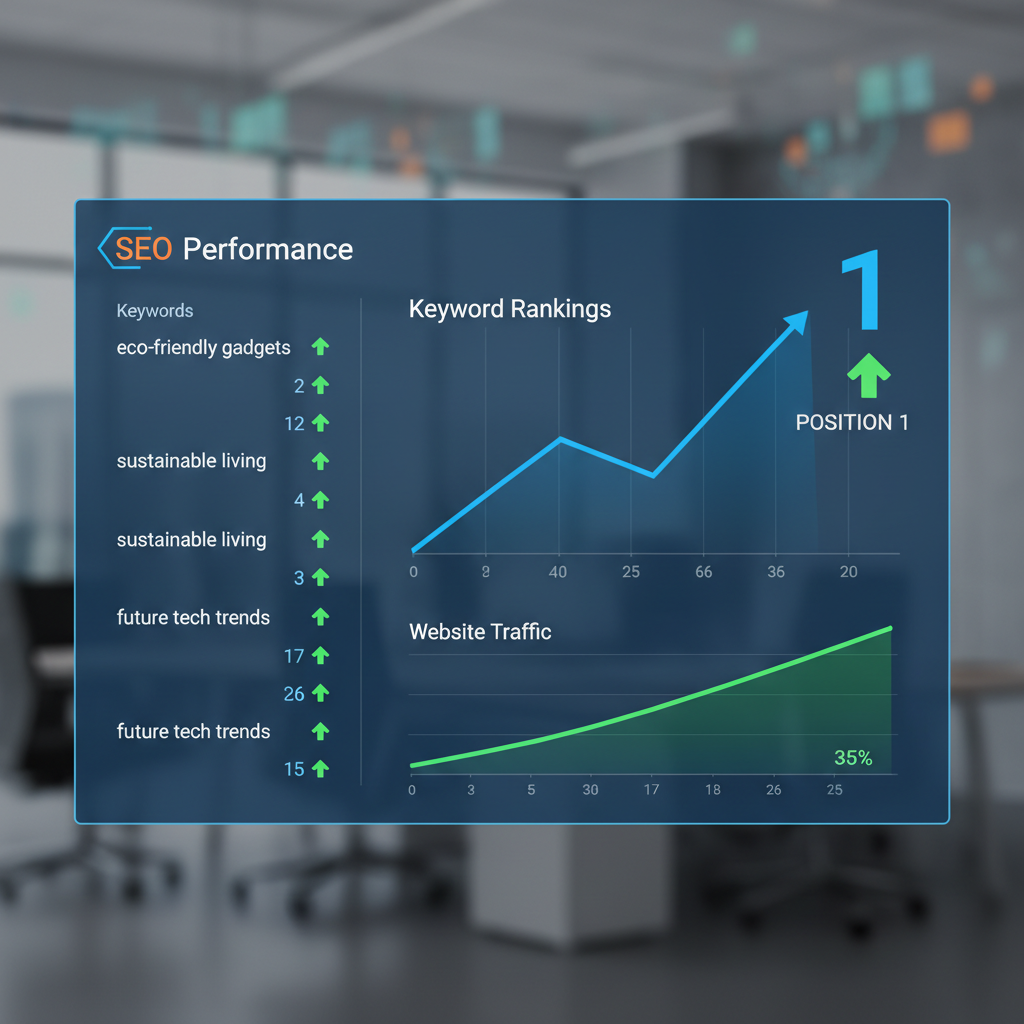
What this means for traffic: Sites that relied on informational content for traffic have seen 20-40% drops. Sites that provide unique data, expert analysis, and actionable guidance have seen traffic increase.
The New SEO Playbook
1. Become a Source, Not a Summary
AI Overviews cite sources. To be cited, you need to be the most authoritative source on your topic. This means:
- Original research and data
- Expert quotes and interviews
- Comprehensive coverage that goes beyond what is already available
2. Optimise for "Cited in AI Overview"
Structure your content so AI can easily extract and cite it:
- Use clear headings that match common questions
- Include concise, quotable statements
- Add structured data markup (FAQ, HowTo, Article)
- Keep key facts in easily scannable formats (tables, bullet points)
3. Focus on EEAT
Google's EEAT (Experience, Expertise, Authoritativeness, Trustworthiness) signals matter more than ever:
- Author bios with credentials
- First-hand experience signals
- Citations from authoritative sources
- Regular content updates
4. Target Transactional and Commercial Keywords
AI Overviews are less common for transactional queries. These keywords still drive traditional organic results — and they convert better anyway.
Technical SEO Still Matters
Core Web Vitals, mobile-first indexing, and site speed remain important ranking factors. Ensure:
- LCP less than 2.5 seconds
- FID less than 100ms
- CLS less than 0.1
- Mobile-responsive design