B2B sales is a skill that can be learned. Here is the complete playbook for building a repeatable B2B sales process from scratch.
The B2B Sales Process
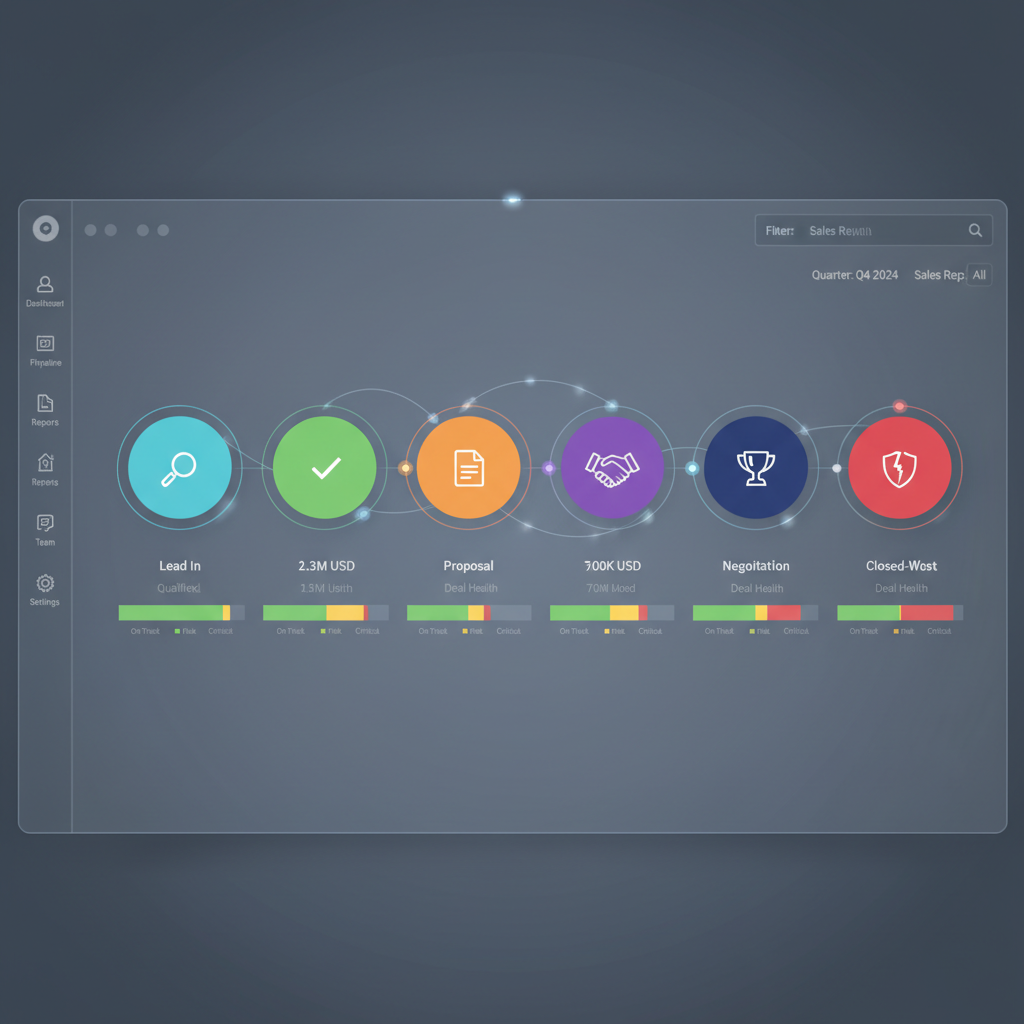
A well-designed B2B sales process has 6 stages: Prospecting, Outreach, Discovery, Demo, Proposal, Close.
Stage 1: Prospecting
Define your Ideal Customer Profile (ICP):
- Industry, company size, geography
- Job title of the buyer
- Pain points your product solves
- Signs they are ready to buy
Build your prospect list using: LinkedIn Sales Navigator, Apollo.io or ZoomInfo, Industry directories and conference attendee lists.
Stage 2: Outreach
The best outreach is personalised, concise, and focused on the prospect's problem — not your product.
Cold email template: Subject: [Specific problem] at [Company name]. Hi [Name], I noticed [specific observation about their company/role]. We help [ICP description] [achieve outcome] without [common pain point]. [Customer name] went from [before state] to [after state] in [timeframe]. Worth a 15-minute call to see if we can do the same for [Company]?
Stage 3: Discovery
The discovery call is the most important call in the sales process. Your goal is to understand:
- What problem are they trying to solve?
- What have they tried before?
- What does success look like?
- What is the cost of not solving this?
- Who else is involved in the decision?
Use the MEDDIC framework: Metrics, Economic Buyer, Decision Criteria, Decision Process, Identify Pain, Champion.
Stage 4: Demo
A great demo shows the prospect their future — not your features. Structure it as:
- Recap the discovery findings
- Show the specific workflow that solves their problem
- Quantify the impact (time saved, revenue gained, cost reduced)
- Handle objections
Stage 5: Proposal
A winning proposal includes:
- Executive summary (their problem and your solution)
- Scope of work
- Pricing (3 options: good, better, best)
- ROI calculation
- Timeline and next steps
Stage 6: Closing
The best close is a natural next step, not a pressure tactic. After presenting the proposal: "Based on what we have discussed, does this make sense to move forward?"
If they hesitate, ask: "What would need to be true for this to be a clear yes?"