SenseCentral Mutual Fund Guide
Why Mid Cap Funds Are More Volatile Than Large Cap
A beginner-friendly, structured, SEO-ready guide with practical tables, checklists, FAQs, useful resources, and further reading.
Why Mid Cap Funds Are More Volatile Than Large Cap is an important mutual fund topic for beginners because the same fund can look simple on a ranking page but behave very differently inside a real portfolio. Returns, categories, expense ratios, market-cap exposure, ratings, and fund comparisons all matter, but they should be understood together rather than in isolation.
- Table of Contents
- Understanding Market-Cap Exposure
- How Beginners Can Use This Information
- Beginner-Friendly Rules
- Simple Example
- Mistakes to Avoid
- Final View
- A Practical Review Process
- Useful Resources for Readers and Creators
- Creator Resource: Build and Sell Your Knowledge With Teachable
- Key Takeaways
- FAQs
- Is this mutual fund topic suitable for beginners?
- How much should I allocate to a sector or thematic fund?
- Should I choose a fund based only on recent returns?
- What should I check before investing?
- Is this article financial advice?
- Further Reading on SenseCentral
- References and Further Reading
Many investors make mistakes not because they lack intelligence, but because they use the wrong shortcut. They chase a top-ranked fund, assume a high rating guarantees future success, ignore concentration risk, or compare funds from different categories. This detailed guide explains the concept in plain language and gives you a practical framework you can use before adding any fund to your portfolio.
Educational note: Mutual fund investments are subject to market risks. This article is for learning and comparison purposes only and should not be treated as personalized financial advice.
Table of Contents
Understanding Market-Cap Exposure
Market-cap exposure tells you how much of a fund is invested in large cap, mid cap, and small cap companies. In India, AMFI publishes the list based on SEBI’s framework for categorising companies by market capitalization. Large cap companies are generally the biggest and most established listed businesses, mid caps are next in size, and small caps include smaller listed companies.
This matters because each segment behaves differently. Large caps may be relatively stable but may grow slower when valuations are mature. Mid caps can offer growth but come with higher volatility. Small caps can create large returns in favorable periods but can fall sharply during stress and may need much longer holding periods.
| Segment | Typical Strength | Typical Risk | Beginner View |
|---|---|---|---|
| Large cap | Stability and liquidity | Lower alpha potential | Useful as a core building block |
| Mid cap | Growth potential | Higher volatility | Use with long horizon |
| Small cap | Early-stage compounding | Sharp drawdowns and liquidity risk | Avoid short holding periods |
| Flexi cap | Manager can move across segments | Style may change over time | Often suitable for beginners |
How Beginners Can Use This Information
Before selecting a fund, check the market-cap split. A fund’s name may suggest one category, but the actual portfolio may reveal a different tilt. Flexi cap funds, for example, can move across segments. This flexibility can be useful, but beginners should still watch whether the fund becomes too aggressive for their comfort.
Small cap funds usually need longer holding periods because smaller companies may face sharper business and liquidity risks. Mid cap funds can also be volatile because expectations are high and valuations can move quickly. Large cap funds may appear slower during bull markets, but they can provide structure and liquidity in difficult markets.
Index funds are simple because they follow a defined index instead of depending heavily on fund manager calls. This simplicity can be valuable for beginners who want low cost, transparency, and a clear benchmark. However, passive funds still carry market risk and can underperform active funds during certain cycles.
Beginner-Friendly Rules
- Know the category first: A fund should be compared only with relevant peers and benchmarks.
- Check the role: Decide whether the fund is core, satellite, short-term, or long-term.
- Review portfolio exposure: Look at top holdings, sector split, and market-cap allocation.
- Understand costs: TER, direct plan versus regular plan, exit load, and tax impact affect final returns.
- Avoid recent-return bias: Strong recent performance can reverse when the cycle changes.
- Use rolling returns: They show consistency better than one-time point-to-point returns.
- Watch overlap: More funds do not always mean more diversification.
- Document your reason: Write why you are investing and when you will review.
Simple Example
Suppose an investor is building a portfolio for a 10-year goal. Instead of choosing a fund only because why mid cap funds are more volatile than large cap sounds attractive, the investor first sets the asset allocation. Next, the investor chooses one or two diversified core funds. After that, the investor checks whether any additional fund adds something meaningful.
If the new fund overlaps heavily with existing holdings, it may not be needed. If the expense ratio is high and the fund has not shown consistent value over rolling periods, a cheaper alternative may be better. If the fund is concentrated, the investor should reduce allocation or avoid it unless the risk is clearly understood.
This example shows why fund selection is not a one-click decision. A fund belongs in a portfolio only when it improves the plan. Otherwise, it becomes noise.
Mistakes to Avoid
Avoid blindly following ratings, rankings, social media lists, or one-year return tables. These tools can help you discover funds, but they cannot decide suitability. Avoid comparing funds from different categories because the risk is not the same. Avoid ignoring costs because small annual cost differences can compound into large wealth differences over long periods.
Another common mistake is over-diversification. Investors may add many funds because each looks good separately. But when holdings are combined, the portfolio may simply become a costly version of the market with extra monitoring headache. Simplicity has value.
Finally, avoid changing funds too often. Frequent switching can create tax impact, exit loads, and emotional stress. A periodic review is useful, but constant reaction is not a strategy.
Final View
Why Mid Cap Funds Are More Volatile Than Large Cap should be understood through the lens of goals, risk, cost, diversification, and behavior. The best fund for a beginner is not always the highest-returning fund. It is the fund that fits the plan and can be held with confidence through market cycles.
Use this guide as a checklist. Before investing, read the scheme document, latest factsheet, riskometer, benchmark performance, and cost details. When in doubt, keep the portfolio simple and seek qualified advice.
A Practical Review Process
Reviewing a mutual fund should be calm and scheduled. A monthly check may be useful for recording data, but major decisions usually need a longer view. For equity funds, quarterly or half-yearly review is often more sensible than reacting to every market move. The goal of review is not to find a reason to switch; the goal is to confirm whether the original reason for holding the fund still makes sense.
Create a simple review sheet with five columns: fund role, benchmark, expense ratio, rolling return behavior, and portfolio exposure. Add one comment column for your own observation. This makes your review repeatable. When you repeat the same process every review date, you reduce the risk of emotional decisions caused by headlines, temporary underperformance, or social media excitement.
Also review the full portfolio, not only the individual fund. A fund may look fine by itself but unnecessary in the combined portfolio. If it duplicates existing holdings, increases concentration, or makes the portfolio harder to manage, it may not deserve fresh investment. A clean portfolio is easier to follow, easier to rebalance, and easier to hold during market stress.
Useful Resources for Readers and Creators
Explore Our Powerful Digital Products: Browse high-value bundles for website creators, developers, designers, startups, content creators, and digital product sellers. These resources can help you build websites, organize content, design faster, and launch digital projects with less friction.
Explore Our Powerful Digital Products
Zee Sharp: A growing suite of free online tools for productivity, development, and creativity. No sign-up. No watermarks. Just tools.
Creator Resource: Build and Sell Your Knowledge With Teachable
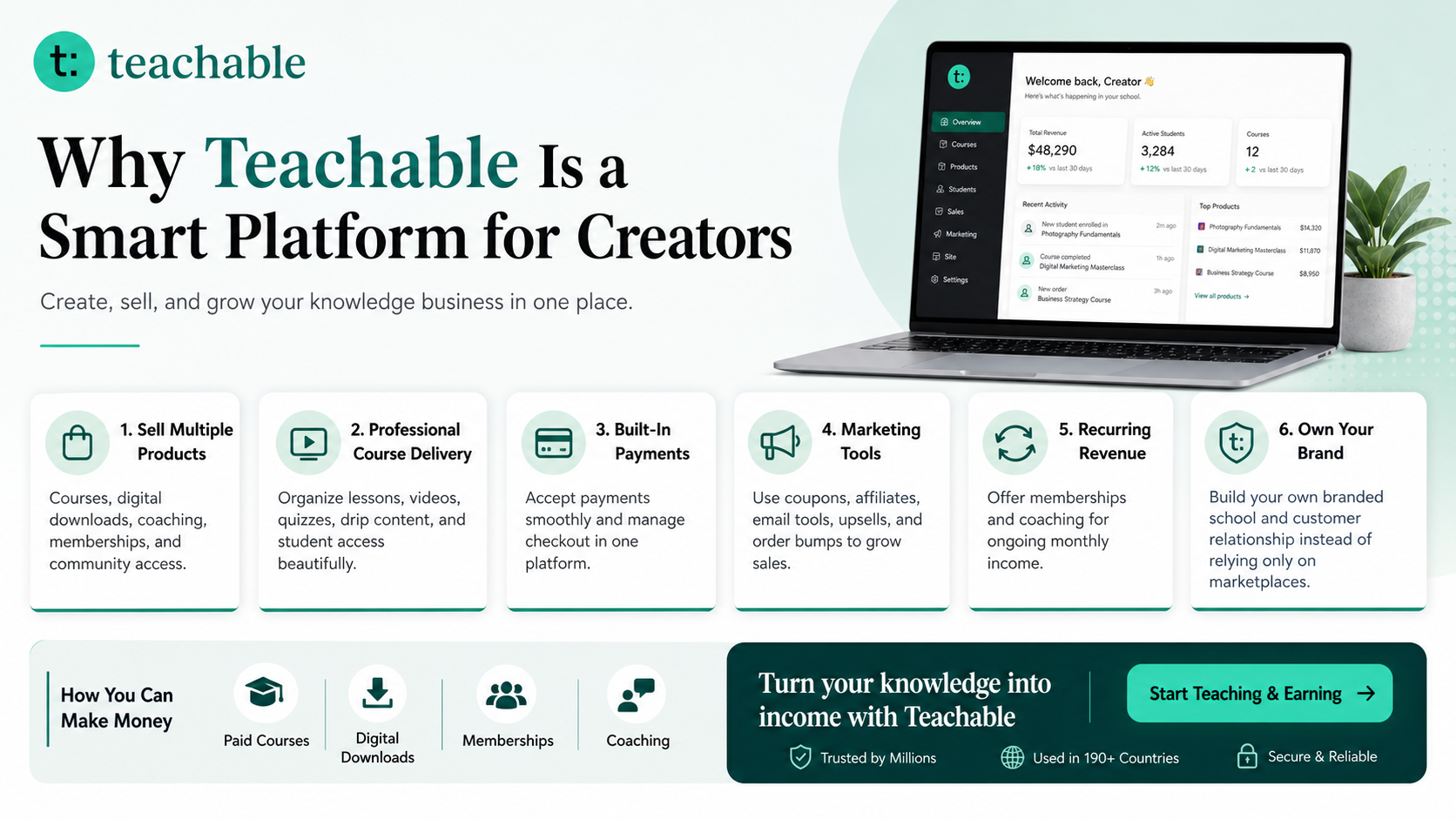
Teachable is an online platform that lets creators build, market, and sell courses, digital downloads, coaching, and memberships. It helps educators and entrepreneurs turn their knowledge into a branded digital business without needing complex coding.
Learn more: How to Make Money with Teachable: A Complete Creator’s Guide
Affiliate disclosure: Some links in this article may be affiliate links. SenseCentral may earn a commission if you purchase through them, at no extra cost to you.
Key Takeaways
- Why Mid Cap Funds Are More Volatile Than Large Cap becomes easier when you separate portfolio structure, risk, cost, and time horizon.
- A fund that looks attractive in recent returns may still be unsuitable if it increases concentration or cost.
- Use factsheets, benchmarks, rolling returns, expense ratio data, and riskometer information before investing.
- Beginners should keep the portfolio simple and add complex funds only when they can explain the role clearly.
- The best mutual fund decision is often the one you can continue calmly during underperformance.
FAQs
Is this mutual fund topic suitable for beginners?
It can be suitable only when the investor understands the risk and already has a diversified core portfolio. Beginners should avoid making it the largest part of their portfolio.
How much should I allocate to a sector or thematic fund?
Many conservative investors keep such funds as a small satellite allocation. The exact percentage depends on goals, risk tolerance, time horizon, and the strength of the core portfolio.
Should I choose a fund based only on recent returns?
No. Recent returns can be misleading because they may come from a temporary market cycle. Review rolling returns, portfolio holdings, expenses, benchmark comparison, and downside periods.
What should I check before investing?
Check the scheme objective, category, riskometer, benchmark, top holdings, sector exposure, market-cap exposure, expense ratio, exit load, and whether the fund overlaps with your existing funds.
Is this article financial advice?
No. This article is for education and research support. Please consult a qualified financial advisor before making investment decisions.
Further Reading on SenseCentral
- How to Understand Market Cap Exposure
- Why Small Cap Funds Need Longer Holding Periods
- Why Flexi Cap Funds Suit Many Beginners
- Why Large Cap Funds May Be Stable but Slower
- How to Build a Core Mutual Fund Portfolio
- How to Make Money with Teachable: A Complete Creator’s Guide