How to Improve Low-Conversion Etsy Listings
Affiliate disclosure: This post includes useful resource recommendations and affiliate links. If you purchase through some links, SenseCentral may earn a commission at no extra cost to you.
How to Improve Low-Conversion Etsy Listings is more than a small Etsy tactic. For digital product sellers, it affects how shoppers understand the offer, compare alternatives, trust the seller, and decide whether the product is worth saving, clicking, or buying.
Many beginners treat Etsy as a place where success comes from uploading more listings and waiting. That approach creates a shop full of disconnected files. A stronger approach is to build a repeatable system: clear niche positioning, polished product presentation, useful buyer education, measurable improvements, and smart promotion outside Etsy. This guide explains how to make decisions from views, visits, clicks, conversion rate, order value, fees, and repeatable monthly tracking instead of guessing.
SenseCentral readers often review software, templates, digital resources, and creator tools, so this article is written with a practical product-review mindset. You will find checklists, comparison tables, examples, FAQs, internal resources, and useful external references that can help you create better digital downloads, printables, planners, Canva templates, and product bundles.
Key Takeaways
- Separate traffic problems from conversion problems before editing listings.
- Track views, visits, favorites, orders, conversion rate, ad spend, and revenue weekly.
- A low-view listing needs search, thumbnail, keyword, or promotion work.
- A viewed listing with no sales needs offer, trust, price, bundle, or mockup improvements.
Table of Contents
Core Strategy: Make the Buyer’s Decision Easier
The central goal of How to Improve Low-Conversion Etsy Listings is to reduce confusion. Digital product buyers cannot touch the product, flip through a physical planner, or test the template before buying. They rely on your title, thumbnails, mockups, description, reviews, delivery notes, and perceived professionalism. The clearer you make the buying decision, the easier it becomes for a shopper to move from curiosity to purchase.
Start by defining the buyer. A printable for teachers is not positioned the same way as a Canva bundle for realtors or a planner for busy parents. Each buyer has different pain points, search terms, visual expectations, and willingness to pay. When you know the buyer, every listing decision becomes easier: which mockups to use, what benefits to highlight, what files to include, how to structure the description, and what follow-up products to create.
Next, define the outcome. A weak listing says, “Printable planner PDF.” A stronger listing says, “Plan your week, track habits, organize meals, and review goals in one printable planner system.” The second version sells a result. Etsy shoppers often compare many similar listings, so the winner is usually the product that communicates the result fastest and looks easiest to use.
Finally, define the proof. Proof can include realistic previews, page counts, size details, file types, Canva access instructions, before-and-after examples, customer reviews, FAQs, and a clear license page. For digital products, proof is not only social proof; it is also usability proof. The buyer wants to know that the file will open, print, edit, and solve the promised problem.
Step-by-Step Workflow
1. Define the listing problem
Before editing, decide whether the problem is low exposure, low click-through, low conversion, low order value, or weak profit.
2. Track a baseline
Record the current title, tags, price, views, visits, favorites, orders, revenue, and ad spend. This prevents random changes from hiding what worked.
3. Change one lever at a time
For low views, adjust keywords and promotion. For views without sales, improve mockups, description, proof, bundle value, and price framing.
4. Separate ads from organic performance
Do not judge a listing only from ad clicks. Compare organic stats and paid stats so you know whether the offer itself is strong.
5. Build a weekly review habit
A simple spreadsheet is enough: product name, niche, date changed, traffic, conversion rate, revenue, and next action.
Helpful Comparison Table
| Area | What it means | Best action |
|---|---|---|
| Low views | Etsy is not showing or shoppers are not clicking. | Improve keywords, first image, title clarity, tags, and external promotion. |
| Views but no sales | People are interested but not convinced. | Improve offer, mockups, description, price, reviews, instructions, and bundle value. |
| High favorites, low orders | Buyers like the idea but delay purchase. | Add urgency through seasonal relevance, clearer use cases, or a better value stack. |
| Ads spend, no orders | The ad may be pushing weak listings. | Pause poor converters and advertise proven organic performers. |
| Good conversion, low traffic | The product works but needs reach. | Create more related listings, Pinterest pins, blog content, and shop sections. |
Practical Examples for Printables, Planners, and Canva Templates
Low-view planner
Rewrite the title around buyer search terms, improve the first image, add clearer tags, and create five Pinterest pins linking to the listing.
Views but no sales worksheet
Add stronger previews, show exact pages included, answer printing questions, and test a small bundle with related worksheets.
Ad spend without profit
Pause ads on listings that have no organic traction, then test ads only on listings with strong favorites or conversion history.
Metrics and Tracking
Even creative sellers need a simple measurement system. For How to Improve Low-Conversion Etsy Listings, track the data that matches the business question you are asking. A thumbnail test needs views, visits, and favorites. A pricing test needs orders, revenue, and conversion rate. A bundle strategy needs average order value, refund questions, and repeat purchases. A promotion plan needs external traffic, email subscribers, and product clicks.
| Metric | Why it matters | Simple target question |
|---|---|---|
| Views | Shows listing exposure inside Etsy search, ads, and other surfaces. | Are enough people seeing the product? |
| Visits | Shows actual shoppers landing on the listing or shop. | Is the thumbnail and title earning clicks? |
| Favorites | Signals interest and save-worthy appeal. | Do buyers like the idea but need more trust or urgency? |
| Orders | Shows confirmed demand. | Is the offer strong enough to convert? |
| Conversion rate | Connects visits to orders. | Does this product persuade the right visitor? |
| Profit | Reveals the real value after fees, ads, discounts, and tools. | Is the product worth scaling? |
A good review rhythm is weekly for active listings and monthly for catalog maintenance. Avoid editing everything daily, because you will not know which change created the result. Keep a notes column for every test: date, change made, reason, and next action. Over time, this turns your Etsy shop from a guessing game into a repeatable digital product system.
Common Mistakes to Avoid
The first mistake is copying the surface of successful shops without understanding why they work. A competitor’s thumbnail, title pattern, or bundle size may be successful because of their audience, reviews, pricing, product history, or traffic sources. Instead of copying, study the underlying buyer problem and create your own improved solution.
The second mistake is treating every listing the same. A seasonal product needs timing and refreshes. A premium bundle needs organization and value framing. A low-priced printable needs quick clarity and strong thumbnails. A Canva template needs instructions and licensing clarity. Match the listing strategy to the product type.
The third mistake is ignoring mobile. Many shoppers browse quickly, and a beautiful desktop image may be unreadable on a phone. Before publishing, shrink the first image and ask whether the product purpose, style, and value are still obvious. If not, simplify the design.
The fourth mistake is failing to connect products. A buyer who purchases a budget planner may also need savings trackers, debt payoff sheets, cash envelope templates, and monthly review pages. Related products, bundles, upsells, and email follow-ups increase the value of your shop without needing to find a completely new audience every time.
Optimization Checklist
- Write the product promise in one clear sentence.
- Check that the first thumbnail explains the product at mobile size.
- Show exactly what is included: pages, sizes, file types, editable links, and bonuses.
- Add FAQs for printing, editing, downloading, commercial use, and refund expectations.
- Use realistic mockups that match the buyer’s real environment.
- Record listing stats before and after major updates.
- Create at least three promotional assets for every important listing.
- Build related products so one buyer can purchase more than once.
Useful Resources and Affiliate Tools
Useful Resource: Explore Our Powerful Digital Products Bundle
Browse high-value bundles for website creators, developers, designers, startups, content creators, and digital product sellers. These resources can help you create faster, test more ideas, and build a larger product library with less design friction.
Free Productivity Tools: Zee Sharp
Zee Sharp is a growing suite of free online tools for productivity, development, and creativity. No sign-up. No watermarks. Just tools. It is useful for creators who need quick converters, calculators, PDF tools, productivity utilities, and creative helpers while building digital products.
Creator Platform Recommendation: Teachable
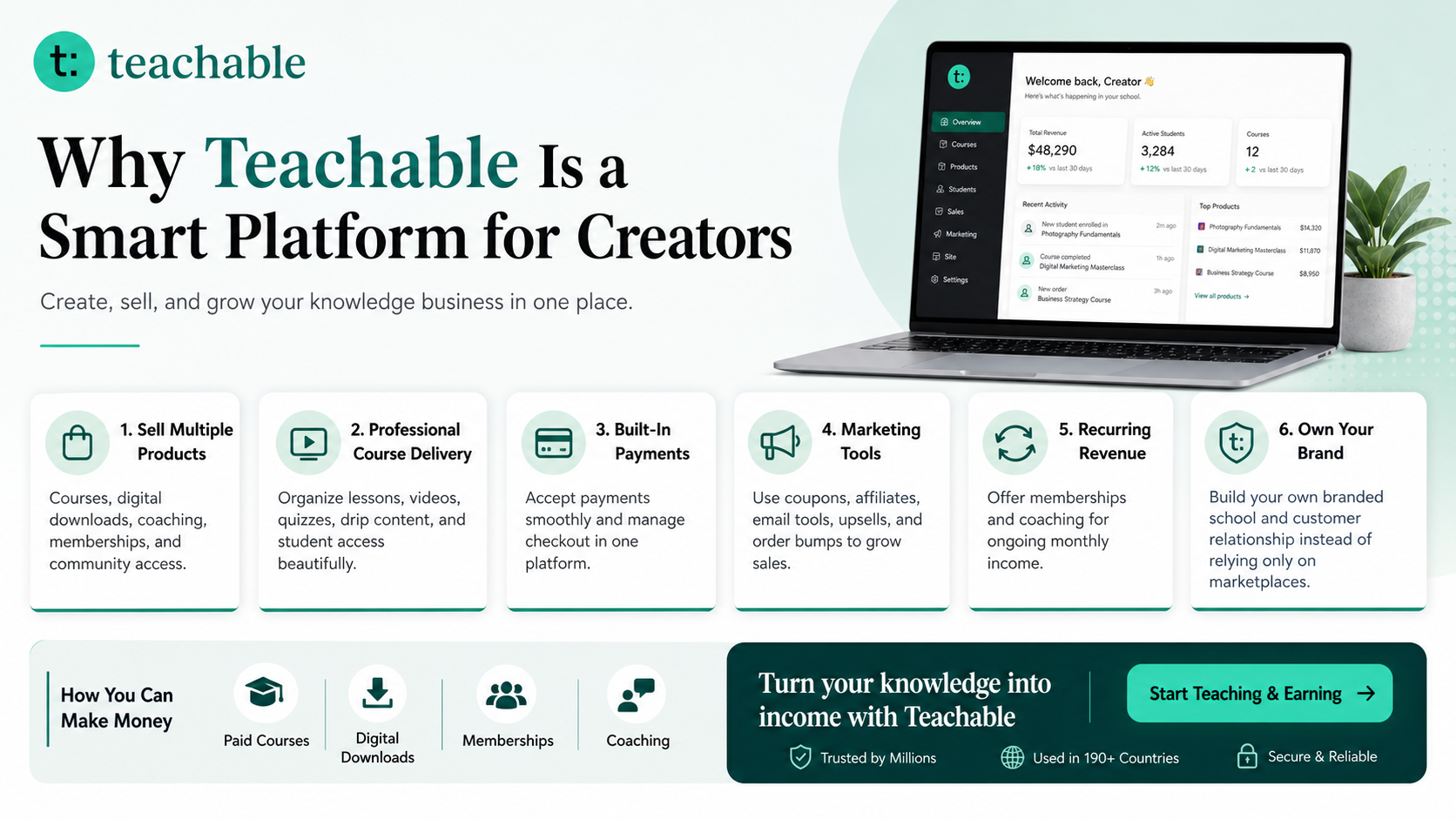
Teachable is an online platform that lets creators build, market, and sell courses, digital downloads, coaching, and memberships. It helps educators and entrepreneurs turn their knowledge into a branded digital business without needing complex coding. If your Etsy products include templates, planners, worksheets, or business systems, Teachable can help you turn them into training, downloads, memberships, or a premium learning offer.
How to Make Money with Teachable: A Complete Creator’s Guide
Further Reading on SenseCentral
- 43 Premium Evergreen Digital Product Bundles on Etsy
- How to Create Digital Product Bundles
- How to Find Profitable Template Ideas
- Digital Product Bundles Collection
- How to Make Money with Teachable
- SenseCentral Digital Products
FAQs
Is how to improve low-conversion etsy listings important for beginners?
Yes. Beginners often think only product creation matters, but presentation, positioning, pricing, and traffic systems decide whether a product gets attention. Start simple, improve one listing at a time, and use data to guide changes.
How often should I update an Etsy listing?
Update when you have a clear reason: weak views, poor conversion, outdated seasonal wording, new mockups, better keywords, or a stronger bundle. Avoid changing everything at once because that makes results hard to measure.
Do digital products need customer support?
Yes. Even instant downloads can create questions about file access, Canva links, printing, sizing, licensing, and editing. Clear instructions reduce support and improve buyer confidence.
Should I promote products outside Etsy?
Yes, especially after you know which products have demand. Pinterest, short videos, blog posts, freebies, and email lists help reduce dependence on Etsy search alone.
What is the easiest way to start improving today?
Pick one listing, check the first thumbnail on mobile, rewrite the first paragraph of the description around the buyer outcome, add clearer FAQs, and record current stats before making changes.
What conversion rate is good on Etsy?
It varies by niche, price, product type, season, and traffic source. Instead of chasing a universal number, compare each listing against your own shop average and improve weak performers.
References and Useful External Reading
- Etsy Help: Set Up and Manage Etsy Ads
- Etsy Help: Shop Stats
- Etsy Help: Shop Stats Glossary
- Etsy Help: Fees and Taxes for Selling on Etsy
Final thought: How to Improve Low-Conversion Etsy Listings works best when it becomes part of a complete seller system: research, product creation, premium presentation, tracking, promotion, and continuous improvement. Build the system once, then reuse it across your shop as you create more digital products.