Additives are a chemical component or blend used at a specific treat rate, generally from < 1 to 35 percent, to provide one or more functions in the fluid. Ideally, additive components are multifunctional. They are soluble in mineral oil, water or sometimes both.
Second, additives offer or help with a wide variety of functions, such as:
- boundary lubricity
- extreme pressure (EP)
- inhibiting corrosion
- boosting reserve alkalinity
- emulsification
- antimisting
- antimicrobial pesticide
- antifoam additives and defoamers
With such a variety of effects, chemists often look for additives that can be multifunctional as well as compatible with different chemicals in a formulation, both with other additives as well as the base fluid.
Performance-related lubricant additives
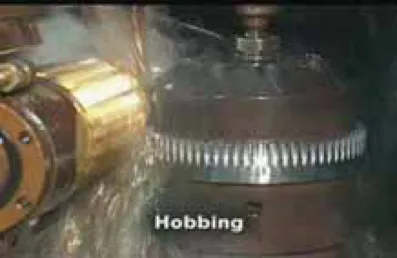
The properties of the oil are augmented by lubricant additives.
- Boundary Lubricity Additives enhance fluid lubricity by adsorbing on the metal surface to form a film, limiting metal-tometal contact. Examples include lard and canola oil. Solid lubricants can also be used for boundary lubrication.
- Extreme Pressure Additives are a special type of boundary lubricity additive that form a metal salt layer between mating surfaces that limit friction, wear and damage. Examples include:
- Zinc dialkyl dithiophosphate (ZDDP)
- Chlorinated paraffins
- Sulfurized lard oils
- Phosphate esters
- Overbased calcium sulfonates
- Corrosion Inhibitors prevent the fluid from corroding machine surfaces, metal work piece, cutting tool and machine tool. Examples include:
- Overbased sulfonates
- Alkanolamides
- Aminoborates
- Aminocarboxylates
- Reserve Alkalinity Additives essentially serve as a buffer, neutralizing acidic contaminants to preserve the fluid’s corrosion protection and maintain the pH in a suitable range. Examples include alkanolamines like:
- Monoethanolamine (MEA)
- Triethanolamine (TEA)
- Aminomethylpropanol (AMP)
- 2-(2-aminoethoxy) ethanol
- Metal Deactivators prevent the MWF from staining nonferrous alloys (such as copper and brass) and reduce corrosion when dissimilar metals contact each other. They act by forming a protective coating on the metal surface. Examples include:
- Mercaptobenzothiazole
- Tolyltriazole
- Benzotriazole
- Detergents stabilize dirt and wear debris in oil formulations.
- Emulsifiers reducing interfacial tension between incompatible components by forming micelles, thereby stabilizing oil-soluble additives in water-dilutable MWFs. These micelles —droplets in a colloidal system—then can remain suspended in the fluid. Milk is an emulsion. In MWFs, examples include sodium petroleum sulfonate and alkanolamine salts of fatty acids.
- Couplers help stabilize water-dilutable MWFs in the concentrate to prevent component separation. Couplers facilitate formation of soluble oil emulsions. Examples include:
- Propylene glycol
- Glycol ethers
- Nonionic alkoxylates
- Chelating Agents (also known as water softeners or conditioners) reduce the destabilizing effect of hard water (calcium and magnesium ions) on MWF emulsions. An example might be ethylenediaminetetracetic acid (EDTA).
- Antimist Additives minimize the amount of lubricant that disperses into the air during machining. They are typically polymers and/or wetting agents. For oil-based systems, ethylene, propylene copolymers and polyisobutenes are used. For water-based systems, polyethylene oxides are common.
- Dyes change the color of the lubricant or MWF, usually as requested by the customer. In water-diluted fluids, their main value is to indicate that product is present, since some of these can be clear and water-like in appearance. However, dyes carry some negatives:
- They can stain skin and paint
- Some water-soluble dyes are unstable and can change color
- Some dyes can pass through waste treatment systems, resulting in pollution downstream.