Your car is more than just a way to get from point A to B—it’s a part of your daily life. But what if a small problem turns into a costly repair?
- Engine Issues
- Brake Problems
- Battery Failures
- Transmission Troubles
- Tire Wear And Damage
- Electrical System Faults
- Cooling System Failures
- Suspension Issues
- Exhaust System Concerns
- Frequently Asked Questions
- What Are The Most Common Car Problems To Watch For?
- How Can I Spot Engine Overheating Early?
- What Signs Indicate Battery Problems In Cars?
- How Do I Recognize Early Brake Problems?
- Conclusion
Knowing the most common car problems and how to spot them early can save you time, money, and stress. Imagine catching an issue before it leaves you stranded or causes a bigger breakdown. You’ll discover the signs to watch for and simple tips to keep your car running smoothly.
Keep reading, because your car’s health depends on what you do today.
Credit: www.spotonvehicleinspections.com.au
Engine Issues
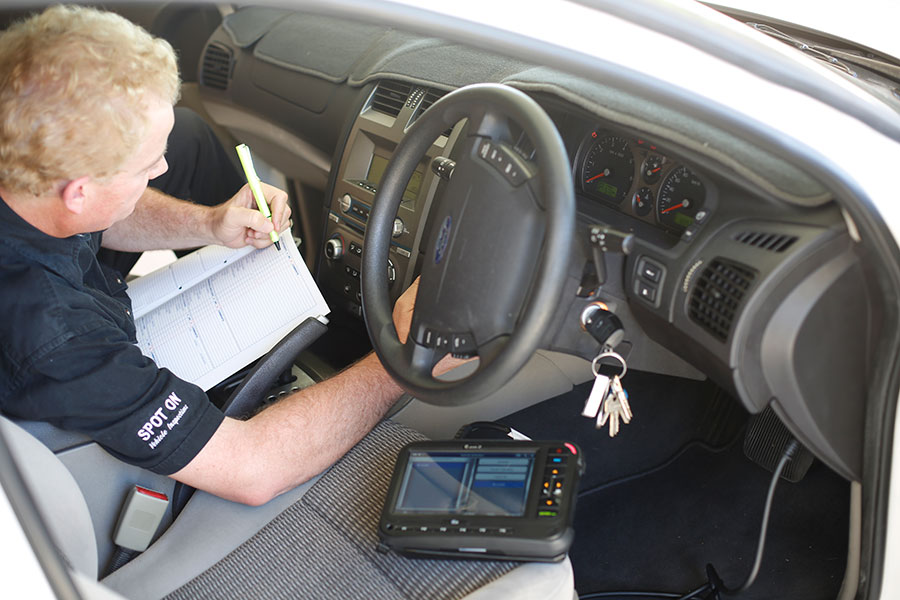
Engine issues are among the most common car problems drivers face. The engine is the heart of a vehicle. Small problems can lead to big repairs if ignored. Knowing the early signs helps save time and money. Detecting engine trouble early keeps your car running smoothly and safely.
Signs Of Engine Trouble
Strange noises like knocking or ticking often signal engine trouble. A rough idle or stalling can mean engine problems. Your car may lose power or hesitate during acceleration. Warning lights on the dashboard, especially the check engine light, need quick attention. Excessive smoke from the exhaust also indicates engine issues.
Common Causes
Worn spark plugs often cause misfires and poor engine performance. Dirty air filters reduce airflow and affect engine power. Low engine oil or dirty oil can cause overheating and damage. Fuel system problems, such as clogged injectors, reduce fuel efficiency. Cooling system failures may cause the engine to overheat quickly.
Early Detection Tips
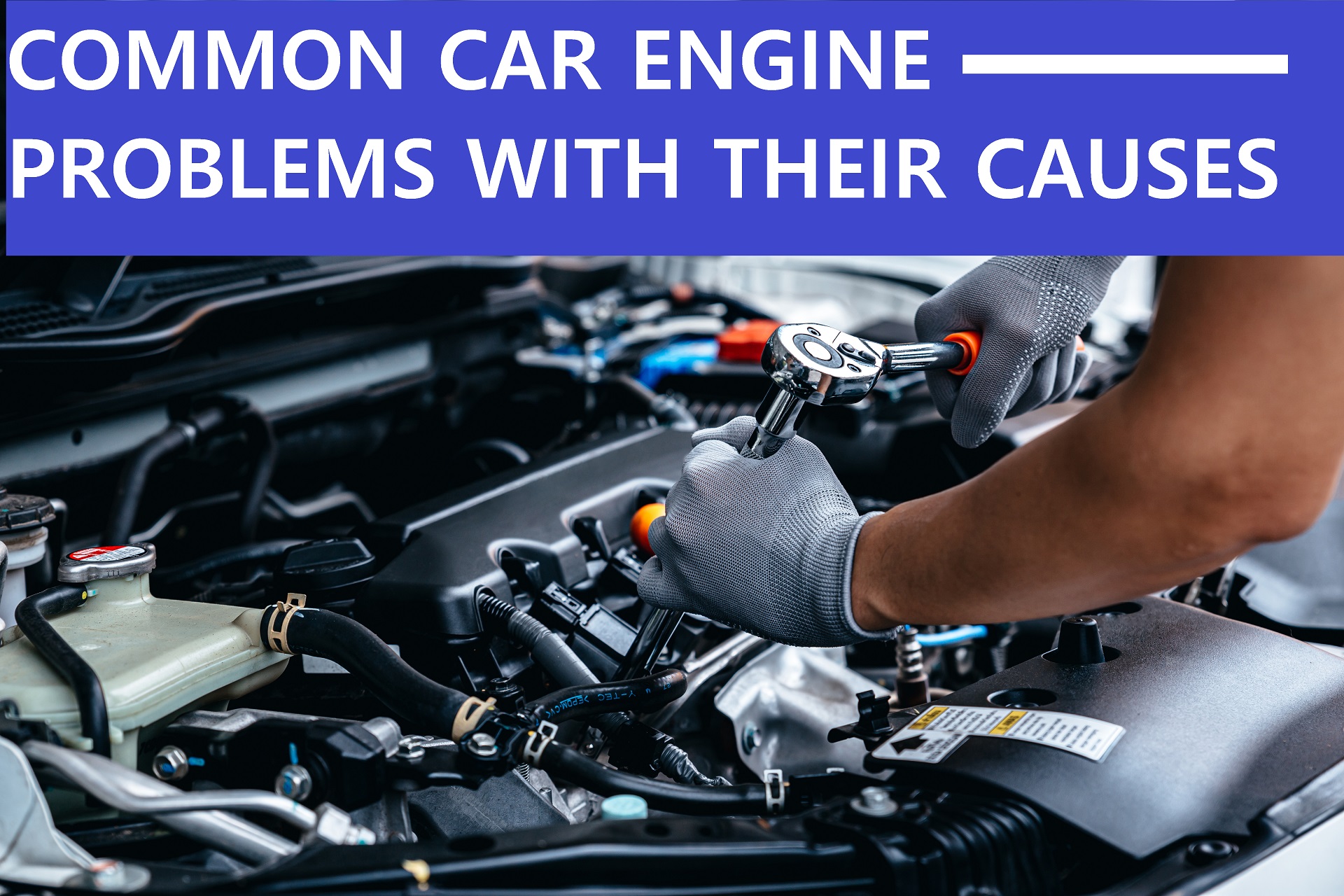
Listen carefully for any unusual engine sounds during driving. Watch for changes in how your car runs or feels. Check the dashboard for warning lights often. Monitor exhaust smoke color and thickness regularly. Have regular engine checks by a mechanic to catch problems early.
Credit: www.lakeelsinorehonda.com
Brake Problems
Brake problems are one of the most common car issues drivers face. They affect your safety and vehicle performance. Spotting brake problems early can prevent accidents and costly repairs.
Brakes wear out over time. Dirt, heat, and use cause brake pads and discs to degrade. Regular checks can catch problems before they worsen. Understanding the signs helps keep your car safe on the road.
Warning Signs
Listen for squealing or grinding noises when braking. This often means worn brake pads. Feel if the brake pedal is soft or goes down too far. This can indicate air or fluid leaks. Notice if your car pulls to one side when braking. This suggests uneven brake pressure or worn parts. Watch for a burning smell after heavy braking. It signals overheated brakes. These signs need quick attention.
Safety Risks
Faulty brakes increase stopping distance. This can cause accidents, especially in emergencies. Brake failure may lead to loss of control. Worn brakes reduce your ability to stop smoothly. This puts you and others in danger. Small brake issues can grow fast. Ignoring them risks serious crashes.
Maintenance Advice
Check brake pads and discs every 10,000 miles. Replace worn pads before they damage discs. Keep brake fluid at proper levels and replace it yearly. Use brake cleaner to remove dust and dirt. Have a mechanic inspect brakes during regular service. Avoid hard braking to extend brake life. Proper care keeps brakes reliable and safe.
Battery Failures
The battery is the heart of your car’s electrical system. It powers the engine, lights, and accessories. Battery failures cause many car troubles. Early signs help avoid being stranded. Understanding these signs saves time and money.
Symptoms Of A Dying Battery
Car struggles to start or takes longer than usual. Headlights may appear dim or flicker. Electrical devices like radios or power windows work slowly. A clicking noise happens when turning the key. Warning lights on the dashboard may glow.
Preventive Measures
Keep battery terminals clean and free of corrosion. Check battery fluid levels regularly if accessible. Avoid leaving lights or accessories on when the engine is off. Drive your car often to keep the battery charged. Use a battery charger during long periods of inactivity.
Replacement Guidelines
Most car batteries last between three to five years. Replace the battery if it fails to hold a charge. Test the battery regularly, especially before extreme weather. Choose a battery that matches your car’s specifications. Dispose of old batteries at recycling centers.
Transmission Troubles
Transmission troubles can cause serious problems with your car’s performance. The transmission moves power from the engine to the wheels. If it starts to fail, your car may not drive smoothly. Early signs help you fix issues before they get worse. Knowing what to watch for saves time and money.
Indicators Of Transmission Issues
Strange noises like grinding or whining often signal trouble. Your car may slip out of gear or hesitate when shifting. Delayed response when you change gears is a red flag. Leaking fluid under your car is another common sign. Transmission fluid is usually red or brown and smells burnt. Warning lights on your dashboard can also alert you to problems.
Frequent Causes
Low transmission fluid is a top cause of issues. Dirty or old fluid reduces lubrication and causes wear. Overheating damages transmission parts quickly. Heavy towing or carrying too much weight strains the system. Driving aggressively, like rapid shifting or sudden stops, also harms the transmission. Lack of regular maintenance speeds up problems.
When To Seek Help
Visit a mechanic if you notice any warning signs. Delaying repair can lead to complete transmission failure. Regular check-ups help catch small issues early. Always address leaks and strange noises right away. Professional help ensures the right fix and keeps your car safe to drive.
Tire Wear And Damage
Tires are the only part of your car that touch the road. They wear out with use and time. Tire wear and damage can cause safety risks and reduce fuel efficiency. Early detection helps avoid bigger problems and costly repairs. Watch your tires closely for signs of wear or damage.
Detecting Uneven Wear
Uneven tire wear shows as different tread depths across the tire. It can happen if the tires are not aligned or balanced properly. Look for bald spots, more wear on one side, or cupping patterns. Uneven wear affects handling and can cause vibrations while driving.
Impact On Performance
Worn or damaged tires reduce traction on wet or slippery roads. This lowers your car’s braking ability and control. Tires with poor tread wear increase fuel consumption. The ride becomes noisy and uncomfortable. Ignoring tire problems can lead to blowouts and accidents.
Proper Tire Care
Check tire pressure regularly to keep it at the recommended level. Rotate tires every 6,000 to 8,000 miles to ensure even wear. Have your wheels aligned and balanced as advised. Replace tires when tread depth is below 2/32 of an inch. Keep tires clean and inspect for cuts or punctures.
Electrical System Faults
Electrical system faults are common in cars and can cause many issues. These problems affect your car’s lights, battery, and other electronics. Detecting these faults early can save you time and money. It also helps avoid breakdowns on the road.
Cars rely on a complex network of wires and components. Over time, these parts wear out or get damaged. This can cause malfunctions or complete failure of the electrical system. Knowing what to watch for can keep your car running smoothly.
Common Electrical Problems
Battery failure is one of the most frequent electrical issues. A dead or weak battery can stop your car from starting. Alternator problems also cause electrical faults. The alternator charges the battery and powers the electrical system. Faulty wiring or blown fuses disrupt circuits and cause failures. Lights that flicker or don’t work often point to wiring issues. Starter motor faults can prevent your engine from cranking.
Spotting Early Signs
Dim or flickering headlights warn of electrical trouble. Dashboard warning lights may turn on unexpectedly. Strange noises like clicking during startup can signal starter or relay issues. Slow power windows and locks suggest weak electrical flow. A battery that loses charge quickly needs attention. Odd smells like burning wires mean an urgent problem. Early detection stops minor faults from becoming major repairs.
Diy Checks
Start by checking the battery terminals for corrosion. Clean them if you see white or green build-up. Test the battery voltage with a multimeter; it should read around 12.6 volts. Inspect fuses in the fuse box for any blown ones. Replace blown fuses with the same rating only. Check all lights and signals regularly to ensure they work. Listen for unusual noises when starting the car. These simple checks help catch faults before serious damage occurs.
Cooling System Failures
The cooling system keeps your car’s engine at the right temperature. It stops the engine from getting too hot, which can cause serious damage. Cooling system failures are common but often preventable. Early signs can save you costly repairs and keep your car running smoothly.
Overheating Symptoms
Watch for a rising temperature gauge on the dashboard. Steam or smoke from under the hood means trouble. A hot smell inside or outside the car signals overheating. The engine may lose power or run rough. These signs mean the cooling system is not working well.
Maintaining Coolant Levels
Check the coolant level regularly. The coolant tank should be between the minimum and maximum marks. Use the right type of coolant for your car. Never open the radiator cap when the engine is hot. Low coolant can cause overheating and damage the engine.
Avoiding Engine Damage
Fix cooling system issues quickly to protect the engine. Replace worn hoses and belts before they break. Flush the cooling system as recommended by the car maker. A well-maintained cooling system keeps the engine safe and your car reliable. Ignoring problems can lead to expensive repairs or engine failure.
Suspension Issues
Suspension issues affect your car’s ride and safety. The suspension system supports the vehicle, absorbs shocks, and keeps tires on the road. Over time, parts wear out and cause problems. Spotting these issues early helps avoid costly repairs and accidents.
Signs Of Suspension Wear
Listen for clunks or rattles when driving over bumps. Notice if the car bounces more than usual after hitting a bump. Uneven tire wear can also signal suspension problems. The vehicle may pull to one side or feel unstable on turns. These signs suggest worn shocks, struts, or other suspension parts.
Effects On Handling
Bad suspension reduces control and increases stopping distance. The car may sway or lean during turns. It feels less stable on rough roads. Braking becomes less smooth and predictable. These effects make driving unsafe and uncomfortable.
Inspection Tips
Check for leaks or damage on shocks and struts. Push down on each corner of the car; it should bounce once or twice. Look for worn or cracked bushings and mounts. Inspect tires for uneven wear patterns. Have a mechanic check the alignment and suspension regularly.
Exhaust System Concerns
The exhaust system plays a vital role in your car’s performance and safety. It directs harmful gases away from the engine and reduces noise. Problems in this system can cause poor fuel efficiency and increased pollution. Early detection saves money and prevents bigger issues.
Noise And Emission Clues
Loud noises like roaring or hissing can signal exhaust leaks. Strange smells inside the car may mean gas is escaping. Increased exhaust smoke is another warning sign. These clues help spot problems before damage occurs.
Common Causes
Rust and corrosion often damage exhaust pipes and mufflers. Loose or broken clamps can cause leaks and noise. A clogged catalytic converter reduces engine power. Cracks in the manifold lead to gas leaks and poor performance.
Repair Suggestions
Regularly check the exhaust system for rust and holes. Replace worn clamps and damaged pipes quickly. Clean or replace the catalytic converter if clogged. Professional help is best for manifold repairs and complex issues.
Credit: kraftnissan.com
Frequently Asked Questions
What Are The Most Common Car Problems To Watch For?
Common car problems include engine overheating, battery issues, brake wear, tire damage, and transmission troubles. Early detection saves repair costs. Regular maintenance helps spot these problems before they worsen, ensuring vehicle safety and reliability.
How Can I Spot Engine Overheating Early?
Look for warning lights on the dashboard, steam from the hood, and a rising temperature gauge. Also, notice unusual smells or reduced engine performance. Early action prevents severe engine damage and costly repairs.
What Signs Indicate Battery Problems In Cars?
Watch for slow engine start, dim headlights, and electrical issues. Corroded battery terminals and a swollen battery case are also warning signs. Regular battery checks and cleaning improve lifespan and prevent breakdowns.
How Do I Recognize Early Brake Problems?
Listen for squeaking or grinding noises when braking. Notice if the brake pedal feels soft or if the car pulls to one side. Early brake issues affect safety and should be inspected promptly.
Conclusion
Catching car problems early saves you time and money. Watch for strange sounds, smells, or dashboard lights. Regular checks keep your vehicle running smoothly. Small issues often turn into big repairs if ignored. Stay alert to changes in how your car drives.
Simple care helps avoid unexpected breakdowns on the road. Keep your car healthy for safer, stress-free trips ahead.