Eukaryotic Cells

Rajil TL
1 Min Read
Disclosure: This website may contain affiliate links, which means I may earn a commission if you click on the link and make a purchase. I only recommend products or services that I personally use and believe will add value to my readers. Your support is appreciated!

At this point, it should be clear that eukaryotic cells have a more complex structure than do prokaryotic cells. Organelles allow for various functions to occur in the cell at the same time. Before discussing the functions of organelles within a eukaryotic cell, let us first examine two important components of the cell: the plasma membrane and the cytoplasm.
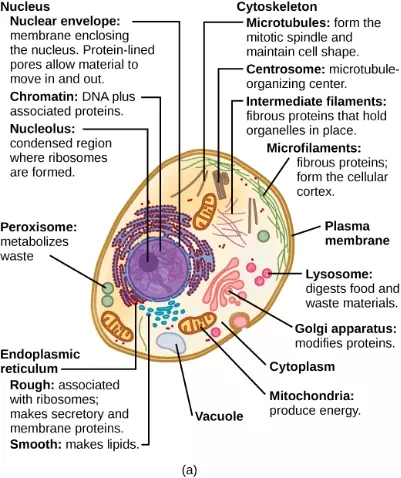
Description: wps3DDE.tmp

Figure 3.8 (a) This figure shows a typical animal cell
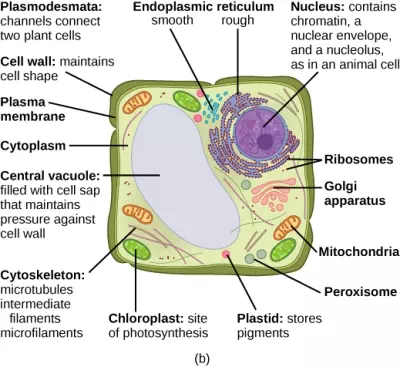
Description: wps3DEF.tmp

Figure 3.8 (b) This figures shows a typical plant cell.

What structures does a plant cell have that an animal cell does not have? What structures does an animal cell have that a plant cell does not have? Plant cells have plasmodesmata, a cell wall, a large central vacuole, chloroplasts, and plastids. Animal cells have lysosomes and centrosomes.

Share This Article

Rajil TL is a SenseCentral contributor focused on tech, apps, tools, and product-building insights. He writes practical content for creators, founders, and learners—covering workflows, software strategies, and real-world implementation tips. His style is direct, structured, and action-oriented, often turning complex ideas into step-by-step guidance. He’s passionate about building useful digital products and sharing what works.

Leave a review