Print surfaces in bioprinting can have a large impact on your final results [1]. This glass slide treatment protocol can be used for bioprinting with GelMA or PEGDA to keep structures adhered to a specific surface, allowing for improved maneuvering and control over bioprinted structures. Depending on the viscosity of your bioink, you may need to follow this protocol to ensure that the first few layers of your 3D structure don’t slide on your dish as you build layer upon layer.
You Will Need:
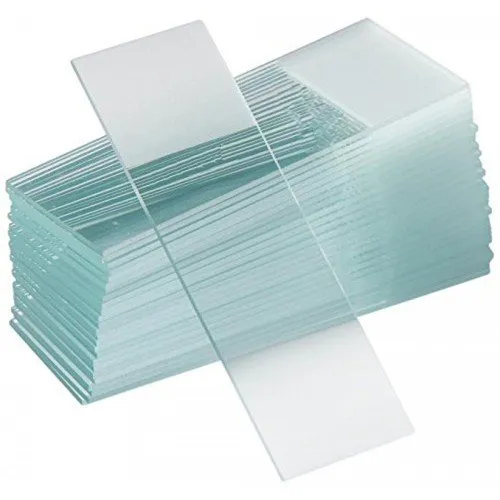
· Glass slides (such as these)
· Ethanol
· Deionized water
· 3-(Trimethoxysilyl)propyl methacrylate (TMSPMA)
· Toluene
· Sonicator
· Hot plate
Methods: Glass Slide Treatment
- First, sonicate glass slides for 5 minutes in ethanol.
- Replace with new ethanol solution and sonicate again for another 5 minutes.
- Sonicate glass slides in deionized water.
- Under a chemical hood, prepare a solution of 5% TMSPMA (v/v) in toluene.
- Soak glass slides in prepared solution overnight at 60°C.
- Remove slides from TMSPMA solution and wash with two ethanol rinses and two deionized water rinses.
- Sterilize slides in ethanol before use with cells.