- Table of Contents
- Key Takeaways
- 1) Why email works so well for fashion brands
- 2) The modern fashion customer journey (and where email fits)
- 3) Foundation setup: domains, deliverability & tracking
- 4) List growth for fashion (without ruining brand vibe)
- 5) Segmentation that actually increases revenue
- 6) The 10 core automation flows every fashion brand needs
- Flow #1: Welcome Series (3–5 emails)
- Flow #2: Browse Abandonment (1–3 emails)
- Flow #3: Cart Abandonment (2–4 emails)
- Flow #4: Checkout Abandonment (1–3 emails)
- Flow #5: Post-Purchase Onboarding (2–5 emails)
- Flow #6: Cross-Sell / “Complete the Look” (1–3 emails)
- Flow #7: Review + UGC Request (1–2 emails)
- Flow #8: Back-in-Stock (instant + reminder)
- Flow #9: VIP / Loyalty Nurture (ongoing)
- Flow #10: Winback / Reactivation (2–4 emails)
- 7) Newsletters & campaigns: how to sell without sounding salesy
- 8) Personalization for fashion: beyond “Hi {first_name}”
- 9) Design + copywriting for fashion emails
- 10) Metrics & KPIs: what to measure weekly
- 11) Recommended tool stack (ESP, SMS, popups, reviews)
- 12) Compliance checklist (GDPR, CAN-SPAM, consent)
- 13) Copy-and-paste templates for key emails
- Template A: Welcome Email (Email 1)
- Template B: Cart Abandonment (Email 1)
- Template C: Post-Purchase Styling Email
- 14) FAQs
- What’s the best email automation platform for fashion brands?
- How many automated flows should a fashion store set up first?
- Do discounts hurt a fashion brand?
- How do I reduce spam complaints?
- What KPIs matter most for fashion email marketing?
- 15) References & further reading
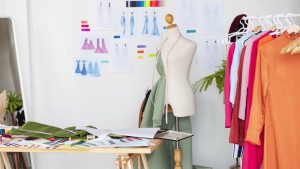
Fashion is emotional, visual, seasonal, and fast-moving—exactly why email marketing (done right) can outperform almost every other retention channel. Whether you run a DTC fashion brand, a boutique, a multi-brand store, or a marketplace, your email list is one of the few growth assets you truly own. Paid ads fluctuate. Social algorithms change. But an engaged email list—paired with smart automation—can consistently drive revenue, repeat purchases, and loyalty.
This guide is written in the style of an email marketing service playbook: structured, practical, and designed to help you implement campaigns and automated flows that match how people actually shop for fashion. You’ll learn the full lifecycle strategy—from list growth and segmentation to automation flows, personalization, deliverability, KPIs, and templates.
Table of Contents
- Why email works so well for fashion brands
- The modern fashion customer journey (and where email fits)
- Foundation setup: domains, deliverability & tracking
- List growth for fashion (without ruining brand vibe)
- Segmentation that actually increases revenue
- The 10 core automation flows every fashion brand needs
- Newsletters & campaigns: how to sell without sounding salesy
- Personalization for fashion: beyond “Hi {first_name}”
- Design + copywriting for fashion emails
- Metrics & KPIs: what to measure weekly
- Recommended tool stack (ESP, SMS, popups, reviews)
- Compliance checklist (GDPR, CAN-SPAM, consent)
- Copy-and-paste templates for key emails
- FAQs
- References & further reading
Key Takeaways
- Automation beats sporadic newsletters: lifecycle flows (welcome, abandon, post-purchase, winback) drive consistent revenue.
- Fashion thrives on timing: seasonality, drops, and replenishment work best with behavior-based triggers.
- Segmentation is your profit lever: even simple segments (VIPs, high intent browsers, size preferences) lift conversions.
- Deliverability protects your brand: authentication (SPF/DKIM/DMARC), list hygiene, and engagement matter more than “send more.”
- Creative matters: strong visuals + clear CTAs + mobile-first layouts win in fashion.
1) Why email works so well for fashion brands
Fashion is not purely functional shopping—it’s identity, mood, status, occasion, and story. Email marketing is powerful because it lets you build that story consistently in a channel people check daily. It also supports the two biggest profit drivers in fashion:
- Repeat purchase: customers return for new drops, seasonal refreshes, or wardrobe building.
- Higher AOV (average order value): bundling and “complete the look” recommendations increase cart size.
Email also shines when your product is visual. You can use lookbooks, editorial styling, UGC (user-generated content), and shoppable blocks to move customers from “browsing” to “buying.”
External links:
Shopify: Email marketing guide,
Mailchimp resources,
Klaviyo resources
2) The modern fashion customer journey (and where email fits)
Most fashion journeys are non-linear. A shopper might discover you on Instagram, compare pricing on Google, browse your website multiple times, then wait for payday or a discount before buying. Email becomes the thread that reconnects those touchpoints.
Typical stages
- Discovery: new subscriber joins from a popup, quiz, or giveaway.
- Consideration: browsing products, reading reviews, checking sizing and shipping.
- First purchase: cart abandonment recovery, urgency, social proof.
- Post-purchase: order updates, styling tips, cross-sell, reviews.
- Loyalty: VIP perks, early access, drops, referrals.
- Winback: reactivation for inactive subscribers and lapsed buyers.
Your goal is to map emails to each stage—so customers never feel “spammed,” only supported.
3) Foundation setup: domains, deliverability & tracking
Before scaling sends, protect your sending reputation. This is the invisible engine behind inbox placement.
Essential deliverability steps
- Authenticate your domain: set up SPF and DKIM at minimum; add DMARC for stronger trust signals.
- Use a dedicated sending domain or subdomain: e.g.,
mail.yourbrand.comto separate marketing from corporate email. - Warm up responsibly: start with engaged subscribers and gradually increase volume.
- Monitor reputation tools: check Gmail and Microsoft reputation dashboards.
External links:
Google: SPF setup,
Google: DKIM setup,
Google: DMARC overview,
Gmail Postmaster Tools,
Microsoft SNDS
Tracking that matters for fashion
- UTM parameters: label campaigns by collection, drop, or category.
- Event tracking: view product, add-to-cart, begin checkout, purchase.
- Catalog sync: dynamic product blocks (recommendations, back-in-stock, browse abandon).
4) List growth for fashion (without ruining brand vibe)
Many fashion brands hurt conversions with aggressive popups. You can grow the list while staying premium by focusing on value and timing.
High-performing opt-in ideas for fashion
- First-order incentive: “10% off your first order” is common—test free shipping or a gift instead.
- Early access / drops: “Get early access to new collections.”
- Style quiz: “Find your perfect fit/style in 60 seconds.”
- Size & fit guide: gated fit guide + personal recommendations.
- Giveaways: limited-time raffle with strong intent filtering.
Placement and timing best practices
- Exit-intent on desktop and scroll-based on mobile reduce annoyance.
- Category-specific popups: show a denim popup on denim pages; shoes popup on shoes pages.
- Multi-step forms: email first, then ask optional preferences (style, gender, size).
External links:
OptinMonster blog,
Privy resources,
Sleeknote popup ideas
5) Segmentation that actually increases revenue
Fashion segmentation is not just “men vs women.” The best segments reflect intent, style, and lifecycle.
Start with these 8 segments
- New subscribers (0–7 days): need brand story + quick win.
- Engaged non-buyers: clicks but no purchase—offer fit help, social proof, lower-friction products.
- First-time buyers: onboarding and confidence-building.
- Repeat buyers: early access + “complete the look” upsells.
- VIPs (top 5–10% spenders): perks, concierge, exclusives.
- Category interest: e.g., “activewear lovers,” “streetwear,” “formalwear.”
- Size preference: if you can collect it ethically, it makes recommendations far more relevant.
- Lapsed buyers (60–180 days): winback sequences with newness and incentives.
Segmentation is how you avoid blasting the entire list with the same offer. It protects deliverability and brand perception.
External links:
Litmus email insights,
HubSpot email marketing hub
6) The 10 core automation flows every fashion brand needs
If you offer an email marketing service for fashion clients, these flows are your “must-build” checklist. Each flow below includes purpose, triggers, and what to include.
Flow #1: Welcome Series (3–5 emails)
- Trigger: new subscriber
- Goal: first purchase + brand trust
- Include: brand story, best sellers, social proof, fit/shipping info, incentive reminder
Flow #2: Browse Abandonment (1–3 emails)
- Trigger: viewed product/category but no cart
- Goal: bring them back with relevance
- Include: product block, “complete the look,” reviews, sizing FAQ
Flow #3: Cart Abandonment (2–4 emails)
- Trigger: added to cart but didn’t purchase
- Goal: recover revenue
- Include: urgency (low stock), benefits, returns policy, support CTA
Flow #4: Checkout Abandonment (1–3 emails)
- Trigger: entered checkout but didn’t pay
- Goal: remove friction
- Include: shipping clarity, payment options, customer support, trust badges
Flow #5: Post-Purchase Onboarding (2–5 emails)
- Trigger: purchase
- Goal: reduce returns + increase satisfaction
- Include: care instructions, styling tips, how to exchange, support
Flow #6: Cross-Sell / “Complete the Look” (1–3 emails)
- Trigger: purchase of a core item
- Goal: increase AOV + repeat purchase
- Include: complementary items, outfit bundles, UGC styling
Flow #7: Review + UGC Request (1–2 emails)
- Trigger: delivered order + time delay
- Goal: social proof generation
- Include: simple review CTA, photo incentive, sizing feedback
Flow #8: Back-in-Stock (instant + reminder)
- Trigger: out-of-stock item returns
- Goal: high-intent conversion
- Include: urgency, variant selection, “you asked, it’s back”
Flow #9: VIP / Loyalty Nurture (ongoing)
- Trigger: customer enters VIP tier
- Goal: retention + referrals
- Include: early access, private sales, birthday perks, exclusive content
Flow #10: Winback / Reactivation (2–4 emails)
- Trigger: no purchase in X days
- Goal: bring back lapsed buyers
- Include: new arrivals, editorial, personalized recommendations, incentive (only if needed)
External links:
Abandoned cart email best practices,
Mailchimp: abandoned cart emails,
Shopify: abandoned cart email guide
7) Newsletters & campaigns: how to sell without sounding salesy
Automation prints money quietly in the background, but campaigns shape your brand voice. For fashion, the best newsletters feel like a magazine, not a megaphone.
Campaign types that perform in fashion
- Drop announcements: launch + reminder + last call
- Editorial style guides: “How to style linen in summer”
- UGC spotlight: customers wearing your pieces
- Seasonal refresh: curated collections
- Clearance done tastefully: segmented sale announcements
How often should you send?
There’s no universal number. Start with 1–2 campaigns per week and watch engagement. If your list loves you (high opens/clicks, low complaints), increase. If engagement drops, segment more and send less broadly.
8) Personalization for fashion: beyond “Hi {first_name}”
Personalization should feel like a stylist, not surveillance. Focus on signals customers willingly provide: browsing, purchasing, quiz answers, and engagement.
Personalization ideas that work
- Dynamic product recommendations: “Because you viewed…”
- Category-based content: streetwear vs formalwear email versions
- Local weather hooks: “Cold front coming? Layer up.” (Use carefully and transparently.)
- Size-aware recommendations: show only available sizes for that shopper
- Lifecycle personalization: new subscriber vs VIP messaging
External links:
Salesforce: email personalization,
Campaign Monitor: personalization guide
9) Design + copywriting for fashion emails
Fashion email design is a balancing act: strong visuals without sacrificing speed, deliverability, or clarity.
Design rules for fashion
- Mobile-first layouts: most shoppers browse on mobile.
- One primary CTA: avoid “button soup.”
- Use alt text for images: improves accessibility and helps when images are blocked.
- Compress images: keep emails fast and clean.
- Consistent visual system: typography, spacing, and brand color palette.
Copywriting that converts (without discount addiction)
- Lead with identity: “For the minimalist wardrobe” beats “Big Sale.”
- Use editorial framing: “The winter layers edit”
- Build trust: shipping times, returns, fabric details, fit notes.
- Use social proof: reviews, UGC, press mentions.
External links:
Nielsen Norman Group: writing for the web,
Litmus: email accessibility
10) Metrics & KPIs: what to measure weekly
To run email like a performance channel, measure it consistently. Track overall and by segment/flow.
Core metrics
- Deliverability signals: bounce rate, spam complaints, unsubscribes
- Engagement: open rate (directional), click-through rate, click-to-open
- Revenue: revenue per recipient, conversion rate, AOV from email traffic
- Automation performance: revenue by flow, time-to-convert
Fashion-specific metrics
- Return rate impact: do post-purchase emails reduce returns?
- Category contribution: which categories drive email revenue?
- Drop performance: revenue from drop announcement sequence
External link:
Google Analytics
11) Recommended tool stack (ESP, SMS, popups, reviews)
Pick tools based on your store platform (Shopify/WooCommerce), team size, and budget. A simple stack can outperform a complex one if your strategy is clear.
Common stack components
- Email Service Provider (ESP): automations, segmentation, templates, analytics
- Popup/onsite capture: forms, quizzes
- Reviews/UGC: collect photos and testimonials
- SMS (optional): high-intent reminders and drop alerts (with consent)
External links:
Mailchimp,
Klaviyo,
Omnisend,
Brevo,
MailerLite,
Judge.me (reviews),
Yotpo (UGC & reviews)
12) Compliance checklist (GDPR, CAN-SPAM, consent)
Compliance protects your business and your sending reputation. Always collect consent clearly, store proof, and make unsubscribing easy.
Quick checklist
- Use double opt-in where appropriate (or at least clear consent language).
- Include your business address in the footer.
- Provide a visible unsubscribe link in every marketing email.
- Don’t buy lists (it harms deliverability and can violate laws).
- Document consent for GDPR/UK GDPR if you serve those audiences.
External links:
GDPR overview,
FTC: CAN-SPAM compliance guide,
UK ICO: direct marketing guidance
13) Copy-and-paste templates for key emails
Template A: Welcome Email (Email 1)
Subject: Welcome to [Brand] — here’s your first look ✨
Preheader: Your style journey starts now (plus a little thank-you inside).
Body (short):
Hi [Name],
Welcome to [Brand]—we design pieces made for [your brand promise: comfort, confidence, sustainability, streetwear culture, etc.].
Here’s what you can do next:
• Explore our best sellers
• Check the fit guide (so you get it right first time)
• Get early access to new drops
Your welcome gift: [Code / offer]
Button: Shop Best Sellers
P.S. If you have fit questions, reply to this email—we actually read them.
Template B: Cart Abandonment (Email 1)
Subject: Still thinking it over?
Preheader: Your picks are saved—complete your order in seconds.
Body:
Hey [Name],
Your cart is waiting. If you had any doubts, here’s what customers love about these pieces:
• “Perfect fit and quality” — ★★★★★
• Easy returns/exchanges
• Ships in [X] days
Button: Return to Cart
Need help choosing a size? Reply to this email and tell us your height + usual size.
Template C: Post-Purchase Styling Email
Subject: How to style your new [Product]
Preheader: 3 outfit ideas you can wear this week.
Body:
Hi [Name],
Your [Product] is on the way! While you wait, here are three quick styling ideas:
1) [Look 1]
2) [Look 2]
3) [Look 3]
Want the full look? We curated pieces that pair perfectly with your order.
Button: Complete the Look
14) FAQs
What’s the best email automation platform for fashion brands?
The best platform depends on your store (Shopify/WooCommerce), catalog size, and segmentation needs. Look for strong automation, product catalog sync, dynamic recommendations, and reliable deliverability tools. Many fashion brands prefer platforms that are built for eCommerce events (browse/cart/purchase triggers).
How many automated flows should a fashion store set up first?
Start with: Welcome, Cart Abandonment, Browse Abandonment, Post-Purchase, and Winback. These cover the highest-impact lifecycle moments.
Do discounts hurt a fashion brand?
Discounts can help new customer acquisition, but overuse trains customers to wait. Balance offers with editorial content, exclusives, limited drops, bundles, and VIP perks.
How do I reduce spam complaints?
Send to engaged segments, make opt-in expectations clear, don’t buy lists, keep frequency reasonable, and add a preference center (e.g., “weekly” vs “new drops only”).
What KPIs matter most for fashion email marketing?
Revenue per recipient, conversion rate, revenue by flow, list growth rate, unsubscribes/complaints, and repeat purchase rate are usually more meaningful than vanity metrics.
15) References & further reading
- Shopify – Email Marketing Guide
- Mailchimp – Marketing Library
- Klaviyo – eCommerce Email Resources
- Litmus – Email Marketing Blog
- Google – SPF
- Google – DKIM
- Google – DMARC
- Gmail Postmaster Tools
- Microsoft SNDS
- FTC – CAN-SPAM Act Guide
Final tip: If you’re offering this as an email marketing service, package it into phases: (1) foundation + deliverability, (2) core flows, (3) segmentation + personalization, (4) campaigns + creative system, (5) optimization + reporting. That’s how fashion email becomes predictable growth—not random blasts.