Introduction 🌍💡
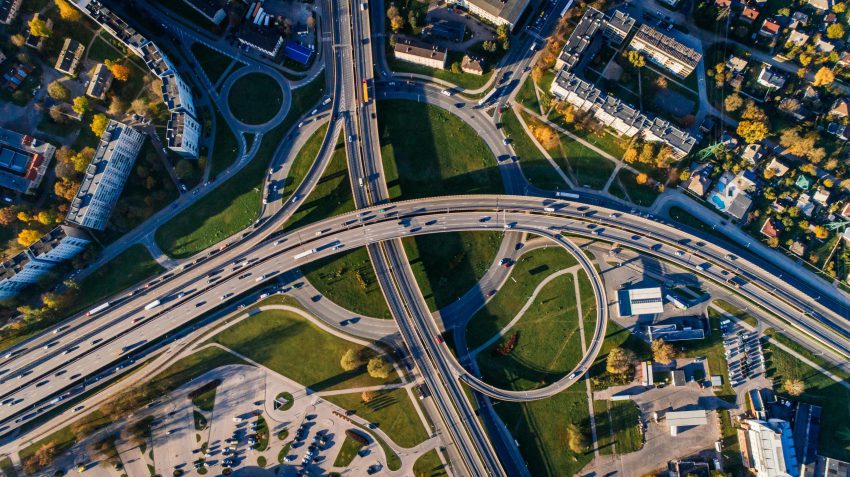
Efficient transportation networks are essential for modern cities, ensuring the smooth flow of vehicles, reducing congestion, and enhancing road safety. At the heart of this infrastructure are interchanges and traffic control systems, designed by civil engineers to manage vehicle movement at intersections and highway junctions. These systems are carefully planned using traffic flow analysis, safety considerations, and advanced technology. This article explores the design process, key components, and challenges involved in creating effective interchanges and traffic control systems.
- Introduction 🌍💡
- Understanding Interchanges and Traffic Control Systems 🛣️🔀
- Key Principles of Designing Interchanges 📏📐
- Types of Interchanges 🔀🛣️
- Design Process of Interchanges 🧠📐
- 1. Site Analysis and Data Collection 🗺️📊
- 2. Conceptual Design and Layout 📝🛣️
- 3. Traffic Simulation and Modeling 💻🚗
- 4. Detailed Design and Engineering Calculations 📏🧮
- 5. Integration with Traffic Control Systems 🚦📡
- 6. Construction Planning and Implementation 🏗️🚧
- Traffic Control Systems: Design and Components 🚦📡
- 1. Traffic Signals 🚦
- 2. Traffic Signs and Pavement Markings 🛑🚸
- 3. Sensors and Detectors 📡🚗
- 4. Intelligent Transportation Systems (ITS) 🌐💡
- Technology in Modern Traffic Control Systems 🧠💡
- Challenges in Designing Interchanges and Traffic Systems 🧩⚠️
- Case Studies: Real-World Examples 🌍🛣️
- The Future of Interchange and Traffic Control Design 🔮🚗
- Conclusion ✅🚦
Understanding Interchanges and Traffic Control Systems 🛣️🔀
- Interchanges: Road junctions that allow vehicles to move between highways without stopping, reducing congestion and improving safety. Examples include cloverleaf, diamond, and stack interchanges.
- Traffic Control Systems: Systems that regulate vehicle and pedestrian movement using traffic signals, signs, sensors, and intelligent transportation technologies.
Both systems aim to minimize delays, prevent accidents, and optimize traffic flow.
Key Principles of Designing Interchanges 📏📐
Traffic Flow Analysis 🚗📊
Civil engineers study traffic patterns, vehicle volumes, and peak-hour congestion using tools like traffic simulation software and vehicle count surveys. This data helps determine the most suitable interchange design.Safety Considerations ⚠️🛡️
Safety is paramount, with engineers designing lanes, ramps, and merge points to reduce collisions. Factors like sight distance, lane width, and curvature are carefully calculated to ensure driver safety.Space and Environmental Constraints 🌱🌆
Engineers must consider available land, existing infrastructure, and environmental impacts. For example, compact diamond interchanges are often used in urban areas with limited space, while larger stack interchanges are common in high-traffic zones.Cost and Feasibility 💰✅
The design must be cost-effective while meeting traffic demands. Engineers balance construction costs, maintenance expenses, and long-term benefits to ensure a sustainable solution.
Types of Interchanges 🔀🛣️
- Cloverleaf Interchange: Allows continuous movement without traffic lights, reducing delays but requiring more land.
- Diamond Interchange: Simple and cost-effective, ideal for moderate traffic volumes.
- Stack Interchange: Uses multiple levels of roads and ramps, suitable for high-traffic urban areas.
- Trumpet Interchange: Common at highway termini, enabling smooth U-turns and merges.
- Roundabout Interchange: Reduces congestion and improves safety by slowing traffic and eliminating stoplights.
Design Process of Interchanges 🧠📐
1. Site Analysis and Data Collection 🗺️📊
- Engineers conduct topographic surveys to understand the landscape and identify obstacles.
- Traffic counts and vehicle classification data help assess current and future traffic needs.
2. Conceptual Design and Layout 📝🛣️
- Initial designs are created using CAD software like AutoCAD Civil 3D and MicroStation.
- Engineers evaluate different interchange types, considering land use, construction feasibility, and traffic flow efficiency.
3. Traffic Simulation and Modeling 💻🚗
- Simulation tools like VISSIM and Synchro model vehicle movement, allowing engineers to test different designs and optimize traffic flow.
- Simulations help predict congestion points, assess safety, and refine lane configurations.
4. Detailed Design and Engineering Calculations 📏🧮
- Engineers calculate lane widths, ramp gradients, curve radii, and sight distances to meet safety standards.
- Designs must comply with national guidelines such as the AASHTO Green Book (USA) or DMRB (UK).
5. Integration with Traffic Control Systems 🚦📡
- Traffic signals, sensors, and signage are integrated into the interchange to guide drivers and manage congestion.
- Intelligent Transportation Systems (ITS) use cameras, detectors, and real-time data to optimize traffic flow.
6. Construction Planning and Implementation 🏗️🚧
- Engineers create detailed construction plans, schedules, and budgets.
- During construction, regular inspections ensure that the design specifications are met.
Traffic Control Systems: Design and Components 🚦📡
1. Traffic Signals 🚦
- Engineers design traffic signal timing to minimize delays and improve flow.
- Advanced adaptive signal systems adjust timing based on real-time traffic conditions.
2. Traffic Signs and Pavement Markings 🛑🚸
- Clear, visible signage and pavement markings guide drivers, reduce confusion, and enhance safety.
- Signs must comply with standards like the Manual on Uniform Traffic Control Devices (MUTCD) in the USA.
3. Sensors and Detectors 📡🚗
- Inductive loop detectors embedded in the road monitor vehicle presence and volume.
- Cameras and radar sensors provide real-time data on traffic conditions.
4. Intelligent Transportation Systems (ITS) 🌐💡
- ITS integrates sensors, communication networks, and software to optimize traffic flow and reduce congestion.
- Examples include smart traffic lights, real-time traffic alerts, and automated incident detection systems.
Technology in Modern Traffic Control Systems 🧠💡
- Artificial Intelligence (AI): AI analyzes traffic data to predict congestion and optimize signal timing.
- IoT (Internet of Things): Connected devices enable real-time monitoring and control of traffic systems.
- Autonomous Vehicles: Traffic systems are evolving to accommodate self-driving cars, ensuring seamless integration with existing infrastructure.
Challenges in Designing Interchanges and Traffic Systems 🧩⚠️
- Land Availability: Limited space in urban areas can restrict interchange design options.
- Budget Constraints: Large-scale projects must balance cost with functionality.
- Environmental Impact: Construction can affect local ecosystems and air quality.
- Traffic Disruptions: Building new interchanges often causes temporary congestion.
- Technological Integration: Ensuring compatibility between legacy systems and modern technology is essential.
Case Studies: Real-World Examples 🌍🛣️
- Spaghetti Junction (Birmingham, UK): A complex interchange designed to handle high traffic volumes while minimizing congestion.
- High Five Interchange (Dallas, USA): A five-level stack interchange that improves traffic flow at a major highway intersection.
- Yas Island Interchange (Abu Dhabi, UAE): Designed to support high-speed traffic while ensuring smooth access to key tourist attractions.
The Future of Interchange and Traffic Control Design 🔮🚗
- Smart Highways: Equipped with sensors and communication systems to guide autonomous vehicles.
- Sustainable Design: Eco-friendly materials and energy-efficient lighting reduce environmental impact.
- Real-Time Traffic Management: AI and machine learning will enable faster responses to congestion and incidents.
- Connected Vehicles: Vehicles will communicate with traffic signals and other cars to optimize flow and prevent collisions.
Conclusion ✅🚦
Civil engineers play a vital role in designing interchanges and traffic control systems that keep cities moving efficiently and safely. By analyzing traffic patterns, considering safety and environmental factors, and leveraging advanced technologies, they create solutions that reduce congestion, prevent accidents, and improve travel times. As transportation systems continue to evolve, the integration of AI, IoT, and autonomous vehicles will shape the future of traffic management, making our roads smarter, safer, and more efficient than ever before.