There are various methods that are anti-competitive. For example, bait and switch is a type of fraud where customers are “baited” through the advertisements for some products or services that have a low price; however, the customers find in reality that the advertised good is unavailable and they are “switched” towards a product that is costlier and was not intended in the advertisements.
Another type of anti-competitive policy is planned obsolescence. It is a method of designing a particular product having a limited useful life. It will become non-functional or out of fashion after a certain period and thereby lets the consumer to purchase another product again.

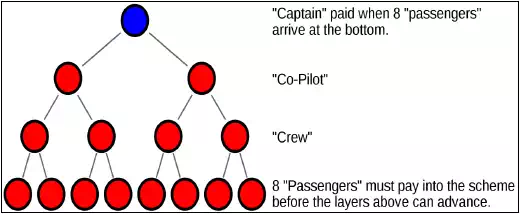
A pyramid scheme is also an anti-competitive process. It is a non-sustainable business model that promises the participants payment or services, mainly for enrolling other people into the scheme; it does not supply any real investment or sell products or services to the public.
This business practice demands the initial investor or the “captain” to enroll other people for a fee to them who again will further enroll more people in order to be paid by the company.