
Raising a seed round is one of the most challenging and important things a founder will do. Here is the complete playbook for raising your first institutional round in India.
What is a Seed Round?
A seed round is typically the first institutional funding a startup raises — usually between ₹1 crore and ₹10 crore. It is used to validate product-market fit, build the core team, and reach the metrics needed for a Series A.
Before You Start Fundraising
Have these in place:
- A working product (even an MVP)
- Some evidence of traction (users, revenue, or strong LOIs)
- A clear use of funds (what will you do with the money?)
- A compelling founding team story
Do not start fundraising until you have:
- At least 3-6 months of runway (you need time to close)
- A warm introduction to at least 5 investors
- A polished pitch deck
The Pitch Deck Structure
A seed deck should be 10-12 slides:
- Cover — Company name, tagline, contact
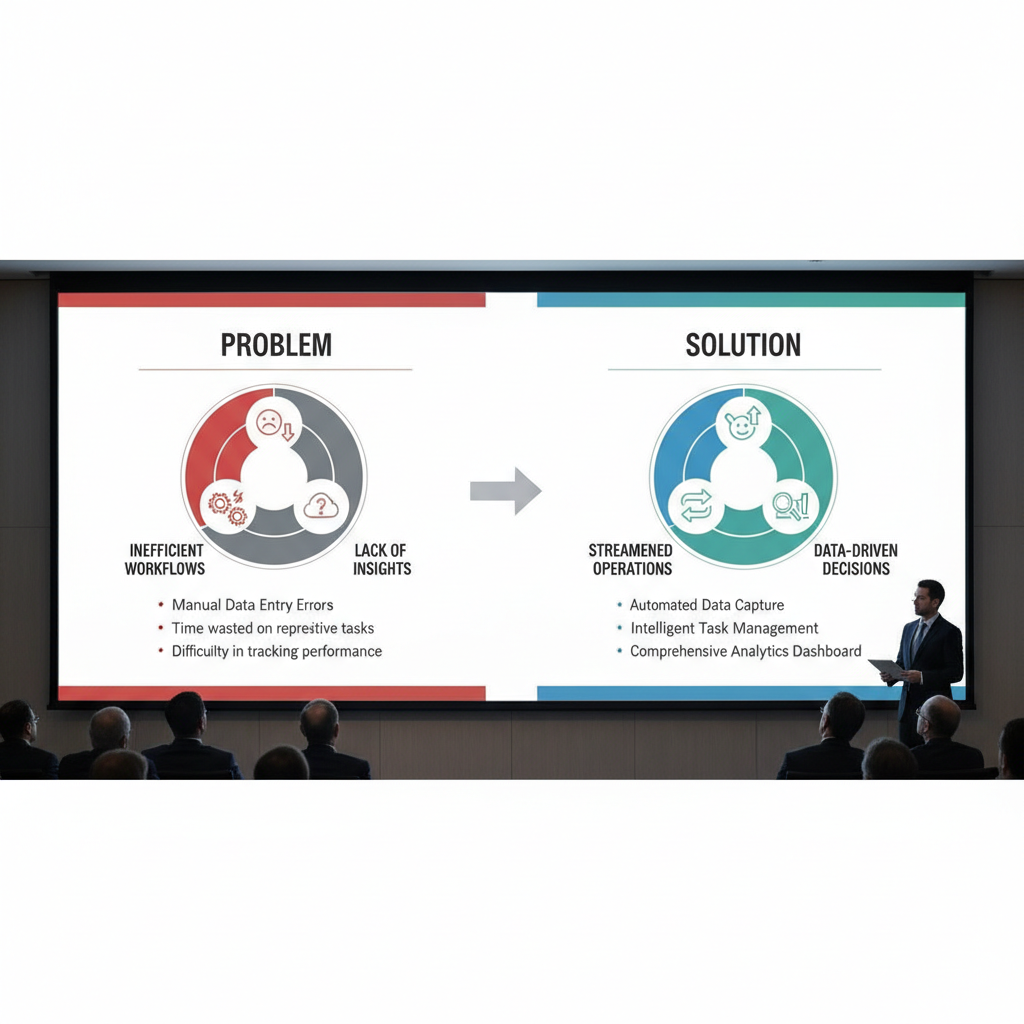
- Problem — The pain you are solving (make it visceral)
- Solution — Your product and how it solves the problem
- Market Size — TAM, SAM, SOM with credible sources
- Product — Screenshots, demo, key features
- Traction — Your best metrics (revenue, growth, retention)
- Business Model — How you make money
- Go-to-Market — How you will acquire customers
- Competition — Competitive landscape and your differentiation
- Team — Why you are the right team to solve this problem
- Financials — 18-month projection and use of funds
- Ask — How much you are raising and at what valuation
Finding the Right Investors
Not all investors are equal. Target investors who:
- Have invested in your sector before
- Are at the right stage (seed, not Series B)
- Have a track record of being founder-friendly
- Can add value beyond capital (introductions, expertise)
Top seed investors in India (2026): Blume Ventures, Kalaari Capital, Stellaris Venture Partners, Elevation Capital, Nexus Venture Partners. Angel networks: Indian Angel Network, Mumbai Angels, LetsVenture.
The Fundraising Process
Week 1-2: Prepare materials (deck, financial model, data room)
Week 3-4: Get warm introductions through your network
Month 2: First meetings with 20-30 investors
Month 3: Follow-up meetings, due diligence
Month 4: Term sheet negotiations, closing
Term Sheet Basics
Key terms to understand:
- Valuation: Pre-money vs post-money
- Liquidation preference: 1x non-participating is standard
- Anti-dilution: Broad-based weighted average is founder-friendly
- Pro-rata rights: Investors' right to participate in future rounds
- Board composition: Aim for founder control at seed stage