Cache Memory

Prabhu TL
1 Min Read
Disclosure: This website may contain affiliate links, which means I may earn a commission if you click on the link and make a purchase. I only recommend products or services that I personally use and believe will add value to my readers. Your support is appreciated!


Cache memory is a very high speed semiconductor memory which can speed up CPU. It acts as a buffer between the CPU and main memory. It is used to hold those parts of data and program which are most frequently used by CPU. The parts of data and programs are transferred from disk to cache memory by operating system, from where CPU can access them.

Advantages

The advantages of cache memory are as follows:

●      Cache memory is faster than main memory.

●      It consumes less access time as compared to main memory.

●      It stores the program that can be executed within a short period of time.

●      It stores data for temporary use.

Disadvantages

The disadvantages of cache memory are as follows:

●      Cache memory has limited capacity.

●      It is very expensive.
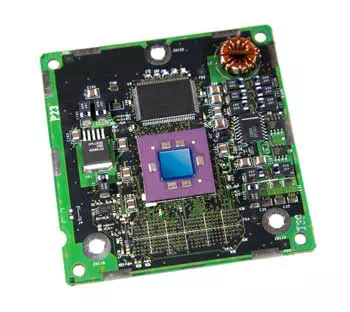
Description: Cache Memory
Share This Article
Prabhu TL is a SenseCentral contributor covering digital products, entrepreneurship, and scalable online business systems. He focuses on turning ideas into repeatable processes—validation, positioning, marketing, and execution. His writing is known for simple frameworks, clear checklists, and real-world examples. When he’s not writing, he’s usually building new digital assets and experimenting with growth channels.
Leave a review