

Chloride attack

senseadmin
1 Min Read
Disclosure: This website may contain affiliate links, which means I may earn a commission if you click on the link and make a purchase. I only recommend products or services that I personally use and believe will add value to my readers. Your support is appreciated!

The chloride ion attacks the passive layer although in this case (unlike carbonation) there is no overall drop in pH. Chlorides act as catalysts to corrosion. They are not consumed in the process but help to break down the passive layer of oxide on the steel and allow the corrosion process to proceed quickly as shown in fig.5. The effective recycling of chloride ions makes chloride attack more difficult to remedy as chlorides are therefore harder to eliminate. Fig.4 shows the recycling of chloride ion. Obviously a few chloride ions in the pore water will not break down the passive layer.
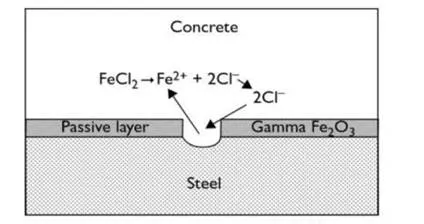
the breakdown of the passive layer
Share This Article
Follow:
Prabhu TL is an author, digital entrepreneur, and creator of high-value educational content across technology, business, and personal development. With years of experience building apps, websites, and digital products used by millions, he focuses on simplifying complex topics into practical, actionable insights. Through his writing, Dilip helps readers make smarter decisions in a fast-changing digital world—without hype or fluff.
Leave a review