




Ethical responsibilities have a strong base of legal protection. At the federal level, the Federal Trade Commission (FTC) makes sure that consumer protection laws are enforced. Within FTC, the Bureau of Consumer Protection protects consumers from unfair, deceptive, and fraudulent business practices.
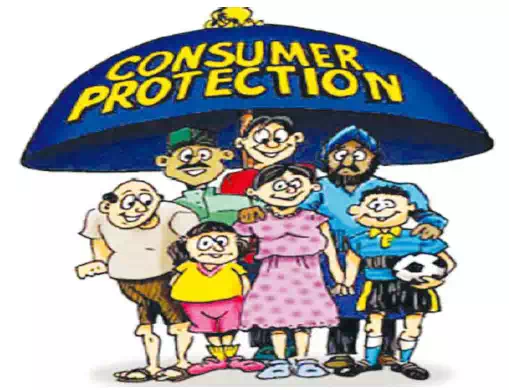
At the state level, there are consumer protection statutes and deceptive trade practices laws. Consumer protection issues include product liability that refers to a business’ legal responsibility for the product performance.
False or misleading communication can destroy stakeholders’ trust in an organization and may be considered fraudulent. Ethical advertising is increasingly becoming a key issue in organizational communications. Exaggerated claims and concealed facts may be a part of advertising communications. These abuses range from the unethical to the illegal.


