The term design thinking gets bandied around a lot these days, but what does it really mean?
For many people, it can almost seem meaningless, a buzzword that helps mystify meaning rather than help sharpen it. Ironically, that’s the opposite of what design thinking should be.
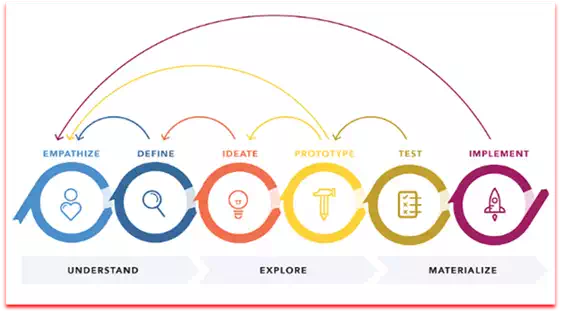
Design thinking is about simplicity in the middle of chaos. It’s about creating as much value as possible for your customers. It’s about serving your users in an intelligent and empathetic method. Most importantly, it’s the idea that innovation has a structure and a rhythm to it, a discipline that can be managed to deliver great results for every stakeholder involved.
Creating new solutions to enduring problems can be difficult, especially if you don’t know where to start. Design thinking gives you the tools and processes you need to focus your efforts where they will add the most value.
“Design is the action of bringing something new and desired into existence—a proactive stance that resolves or dissolves problematic situations by design. It is a compound of routine, adaptive and design expertise brought to bear on complex dynamic situations.” —Harold Nelson
It can take years to become a professional designer, but there are resources out there that teach the basics of design thinking in a fraction of the time. If you wanted to get a view on the fundamentals of design thinking, you can’t go wrong with the following list of resources. Here are six resources that will help you understand and implement design thinking in every facet of your life.