The period of fourth generation was 1971-1980. The computers of fourth generation used Very Large Scale Integrated (VLSI) circuits. VLSI circuits having about 5000 transistors and other circuit elements and their associated circuits on a single chip made it possible to have microcomputers of fourth generation. Fourth generation computers became more powerful, compact, reliable, and affordable. As a result, it gave rise to personal computer (PC) revolution. In this generation time sharing, real time, networks, distributed operating system were used. All the high-level languages like C, C++, DBASE etc., were used in this generation.
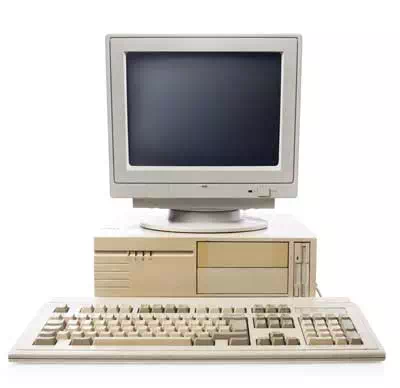
The main features of fourth generation are:
● VLSI technology used
● Very cheap
● Portable and reliable
● Use of PC’s
● Very small size
● Pipeline processing
● No A.C. needed
● Concept of internet was introduced
● Great developments in the fields of networks
● Computers became easily available
Some computers of this generation were:
● DEC 10
● STAR 1000
● PDP 11
● CRAY-1(Super Computer)
● CRAY-X-MP(Super Computer)