




International corporations have shaped the global economy in the 20th century. Now, any of the world’s Top 100 or global companies exceed the GDP of many nations. The MNCs are also creating most of the output and employment opportunities in the world.
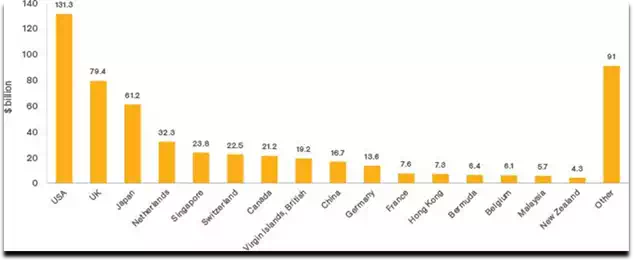
The MNCs have started building local relationships and establishing a strong local presence through FDI’s to benefit from different advantages, where the countries focusing on getting more FDI investment have become busy with giving MNCs more freedom and assistance in seeking economic cooperation with them.
As the importance MNCs in the global economy increases, companies have been both criticized and appreciated. The growing shares of MNCs in developing economies and the impact of their decisions in overall economic conditions of the host countries have been under review.
● Cons − MNCs are mainly criticized for disappearance of domestic players due to their global brand, use of latest technology, marketing and management skills, and economies of scale which domestic firms cannot compete with. MNCs have also been criticized for controlling the domestic economic policies and taking actions against the developing country’s national interests.
● Pros − The investments have brought technological and managerial assets to developing countries. Employment with a better-trained labor force, a higher national income, more innovations, and enhanced competitiveness are some of the positive contributions of MNCs to developing countries.


