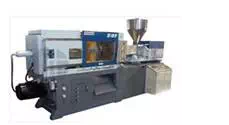
Plastics are the most common materials for producing end-use parts and products, for everything from consumer products to medical devices. Plastics are a versatile category of materials, with thousands of polymer options, each with their own specific mechanical properties. But how are plastic parts made?
A variety of plastic manufacturing processes have been developed to cover a wide range of applications, part geometries, and types of plastics. For any designer and engineer working in product development, it is critical to be familiar with the manufacturing options available today and the new developments that signal how parts will be made tomorrow.
This guide provides an overview of the most common manufacturing processes for producing plastic parts and guidelines to help you select the best option for your application.
How to Choose the Right Plastic Manufacturing Process
Consider the following factors when selecting a manufacturing process for your product:
Form: Do your parts have complex internal features or tight tolerance requirements? Depending on the geometry of a design, manufacturing options may be limited, or they may require significant design for manufacturing (DFM) optimization to make them economical to produce.
Volume/cost: What’s the total or the annual volume of parts you’re planning to manufacture? Some manufacturing processes have high front costs for tooling and setup, but produce parts that are inexpensive on a per-part basis. In contrast, low volume manufacturing processes have low startup costs, but due to slower cycle times, less automation, and manual labor, cost per part remains constant or decreases only marginally when volume increases.
Lead time: How quickly do you need parts or finished goods produced? Some processes create first parts within 24 hours, while tooling and setup for certain high volume production processes takes months.
Material: What stresses and strains will your product need to stand up to? The optimal material for a given application is determined by a number of factors. Cost must be balanced against functional and aesthetic requirements. Consider the ideal characteristics for your specific application and contrast them with the available choices in a given manufacturing processes.