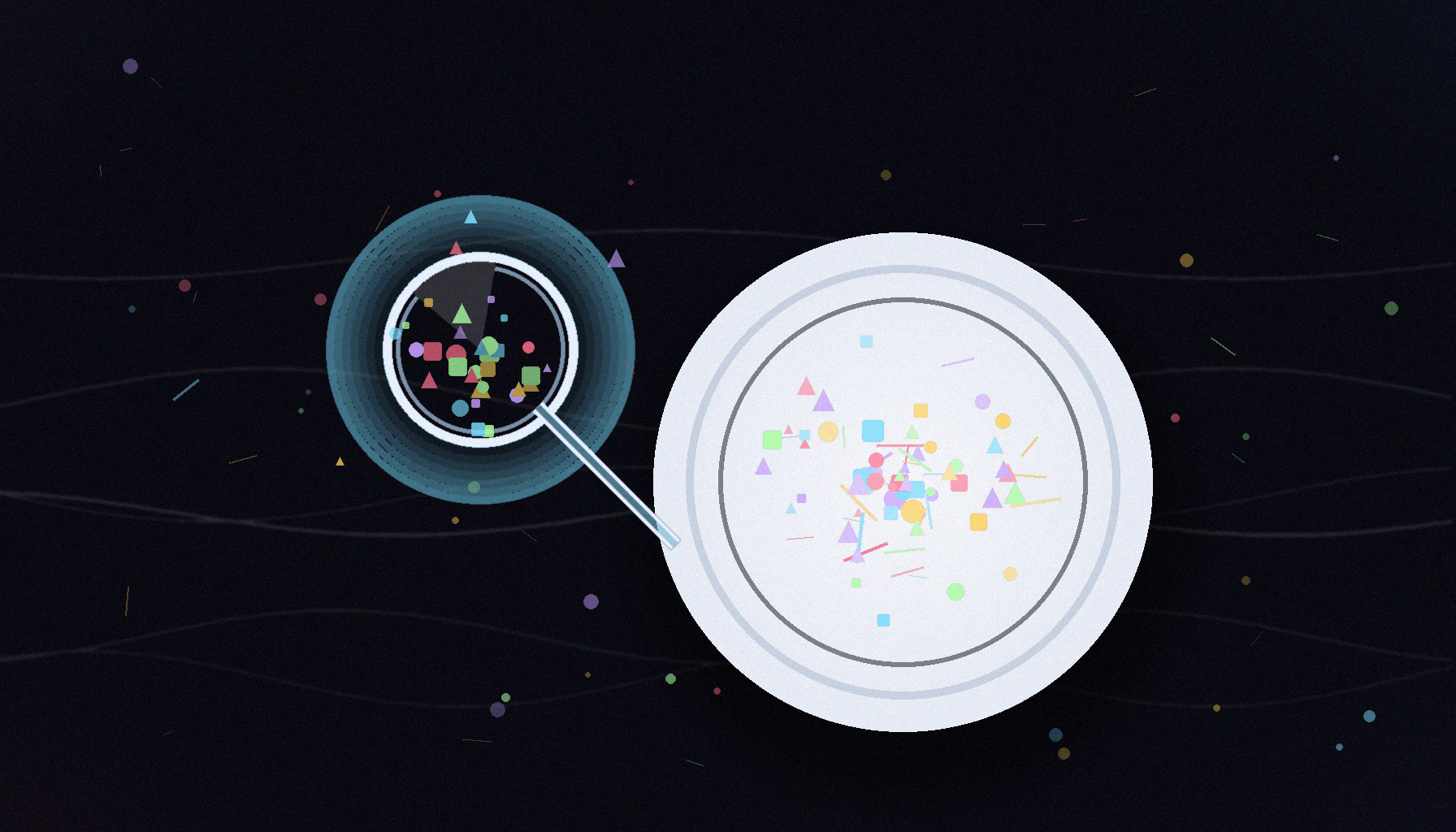
Microplastics are tiny pieces of plastic (often smaller than a sesame seed). They’re now being detected in places we don’t expect—like bottled water, seafood, salt, and even tea. The science is still evolving, and major health agencies say we don’t yet have enough evidence to quantify long-term health risk at everyday exposure levels. But “not proven harmful” doesn’t mean “no reason to care.” It simply means research is catching up.
- Table of Contents
- What are microplastics (and nanoplastics)?
- Why are they showing up in food?
- Top ways microplastics enter what you eat
- 1) Bottled water (and sometimes tap water)
- 2) Seafood (especially shellfish)
- 3) Salt (sea, lake, and rock salt)
- 4) Tea bags (some types can shed particles)
- 5) Food packaging and processing
- 6) Your own kitchen (cutting boards, storage, and heat)
- What science and health agencies say (so far)
- WHO: Evidence is limited; focus on reducing plastic pollution
- FDA: Detection doesn’t automatically equal danger
- EFSA: Big knowledge gaps remain
- FAO: Food safety lens + exposure mapping
- How to reduce exposure: a practical checklist
- Step 1: Stop heating food in plastic
- Step 2: Rethink bottled water (when safe alternatives exist)
- Step 3: Upgrade food storage
- Step 4: Switch the “quiet culprits”
- Step 5: Reduce dust → reduce particles landing on food
- Best kitchen swaps (low cost → high impact)
- Extra tips for kids, pregnancy, and sensitive groups
- Common myths (and what’s actually true)
- Myth: “If microplastics exist, seafood is unsafe.”
- Myth: “Organic food has zero microplastics.”
- Myth: “You can detox microplastics with a supplement.”
- FAQs
- 1) Are microplastics in food proven to harm humans?
- 2) What’s the biggest “easy win” to reduce exposure?
- 3) Do water filters remove microplastics?
- 4) Should I throw away all plastic containers?
- 5) Is “BPA-free” plastic safe from microplastics?
- Key Takeaways
- References & further reading
This guide breaks the topic down in plain language: where microplastics in food come from, how they get into your kitchen, what the best research actually says, and the practical steps that can realistically reduce exposure—without turning your life upside down.
Table of Contents
What are microplastics (and nanoplastics)?
Microplastics
Microplastics are plastic fragments typically defined as <5 millimeters in size. That’s small enough to mix into water, settle on food, and hide in dust. They can be:
- Primary microplastics (made small on purpose, like some industrial pellets), or
- Secondary microplastics (created when bigger plastics break down over time).
Nanoplastics
Nanoplastics are even smaller—so small that measuring them is harder, and they may behave differently in the body. In early research, nanoplastics are a growing concern because smaller particles can potentially cross biological barriers more easily than larger ones. That’s one reason newer studies are drawing attention.
Important reality check: Detecting plastics in food doesn’t automatically mean they cause harm at those levels. Big agencies like the U.S. FDA and WHO emphasize that current evidence is still developing, and more standardized research is needed.
Why are they showing up in food?
Plastics are everywhere in modern life: packaging, bottles, kitchen tools, synthetic fabrics, car tires, and industrial systems. Over time, plastics wear down into tiny particles. Those particles travel through:
- Water (rivers → oceans → seafood; and sometimes into drinking water)
- Air and dust (settling on food during processing or in your home)
- Soil (agriculture and compost contaminated by plastic fragments)
- Food-contact materials (packaging, plastic tools, and certain processing steps)
Food becomes the “final stop” because we eat and drink multiple times a day. Even if each source is small, they can add up.
Top ways microplastics enter what you eat
1) Bottled water (and sometimes tap water)
Multiple studies have detected plastic particles in bottled water. In 2024, a high-profile paper in PNAS reported micro- and nanoplastics in bottled water at much higher counts than older methods could detect, with a large fraction being nanoplastics. See: the PNAS paper, plus summaries from NIH, Columbia Public Health, and Rutgers.
Where do they come from? Common suspects include the bottle itself, the cap/cap liner, and bottling/filtration steps.
2) Seafood (especially shellfish)
Microplastics are commonly reported in marine environments, so it’s not surprising they show up in seafood research—particularly in shellfish, where we eat more of the animal’s internal tissues. A readable scientific overview is available via PubMed Central (open access). Food-safety context is discussed by agencies like EFSA and FAO (2024 review).
3) Salt (sea, lake, and rock salt)
Salt is a classic “microplastic headline” food because it’s easy to test and widely used. For example, Scientific Reports published work on microplastics in Spanish salt: Nature / Scientific Reports. A broader scientific review is in Environmental Science & Technology (ACS).
What this means in real life: Salt can contribute, but for most people, it’s unlikely to be the #1 source compared with water/packaging—because we consume salt in small amounts.
4) Tea bags (some types can shed particles)
Some commercially available tea bags use synthetic polymers (like nylon or polypropylene), and brewing in boiling water can release micro- and nanoplastics in certain studies. A recent discussion of the issue appears here: Food Chemistry (ScienceDirect, 2025 review). Practical takeaway: loose-leaf tea with a stainless-steel infuser is a simple way to reduce this possible source.
5) Food packaging and processing
Plastic packaging is incredibly useful (lightweight, sanitary, cheap). But “useful” doesn’t mean “neutral.” Over time, friction, heat, and wear can contribute small fragments—especially when plastic is stressed (twisted caps, scratched containers, repeated washing, or hot temperatures).
For a balanced regulator perspective, see the FDA overview on microplastics in foods. For a food-safety literature review, see FAO’s 2024 report.
6) Your own kitchen (cutting boards, storage, and heat)
Your kitchen can be a “mini factory” for plastic wear. One area getting attention is plastic cutting boards, which can shed tiny fragments during chopping. For a research discussion, see Environmental Science & Technology (ACS) on cutting boards.
Does this mean plastic cutting boards are “toxic”? Not automatically. It means there’s a plausible exposure route, and switching to wood or bamboo is a reasonable risk-reduction step if it fits your routine.
What science and health agencies say (so far)
WHO: Evidence is limited; focus on reducing plastic pollution
WHO’s report on microplastics in drinking-water notes that microplastics have been detected, but the available evidence at the time did not demonstrate a clear human health risk from drinking-water—while also emphasizing that research methods vary and better studies are needed. See: WHO technical report and WHO news summary.
FDA: Detection doesn’t automatically equal danger
The FDA summarizes that micro- and nanoplastics have been detected in foods (salt, seafood, sugar, bottled water, honey, milk, tea, etc.), but current evidence does not demonstrate a human health risk at levels detected—while research continues. See: FDA: Microplastics and Nanoplastics in Foods.
EFSA: Big knowledge gaps remain
EFSA’s scientific statement highlights limited occurrence data and significant gaps in toxicity/toxicokinetics data, making risk assessment difficult right now. See: EFSA statement.
FAO: Food safety lens + exposure mapping
FAO’s 2024 food-safety review compiles evidence across dietary sources and discusses exposure pathways and uncertainties. See: FAO report (2024).
Bottom line: We have strong evidence that exposure exists. We do not yet have perfect evidence describing what level causes which health outcome. So the sensible approach is: reduce high-probability exposure sources (especially those with easy swaps), while supporting broader plastic pollution reduction.
How to reduce exposure: a practical checklist
Here are realistic steps that reduce microplastic exposure potential in everyday life. You don’t need to do all of them—start with the easiest high-impact changes.
Step 1: Stop heating food in plastic
- Avoid microwaving in plastic containers or with plastic wrap.
- Don’t pour boiling liquids into plastic bottles or flimsy plastic cups.
- Switch to glass, ceramic, or stainless-steel for hot foods and drinks.
Why it matters: Heat + plastic is a stress combo that can increase wear and chemical migration concerns.
Step 2: Rethink bottled water (when safe alternatives exist)
- If your tap water is safe, consider using it with a quality home filter.
- If you buy water, choose large-volume containers (less surface area per liter) and don’t reuse single-use bottles repeatedly.
- Use a reusable stainless-steel bottle for daily drinking.
Background reading: PNAS (2024), NIH summary.
Step 3: Upgrade food storage
- Store leftovers in glass containers (especially oily foods and sauces).
- Use silicone lids or beeswax wraps instead of plastic wrap when possible.
- Replace scratched, cloudy, or heavily worn plastic containers.
Step 4: Switch the “quiet culprits”
- Tea: Try loose-leaf + metal infuser (or paper tea bags if preferred).
- Cutting boards: Consider wood/bamboo boards for most chopping tasks.
- Utensils: Use wood or silicone spatulas for cooking on heat.
Step 5: Reduce dust → reduce particles landing on food
- Ventilate your kitchen while cooking.
- Wet-wipe surfaces (instead of dry dusting, which re-suspends particles).
- Wash fruits/vegetables under running water (basic but useful).
Why dust matters: microplastics are found in indoor air and can settle on surfaces and food over time. A scientific overview of exposure routes is discussed in literature such as Environment International (2023).
Best kitchen swaps (low cost → high impact)
High impact, usually easy
- Glass for hot foods: Use glass/ceramic for microwaving and storing hot leftovers.
- Reusable bottle: Stainless steel bottle for daily water.
- Loose-leaf tea: Replace plastic-based tea bags if you drink tea daily.
Medium impact
- Replace worn plastics: Especially scratched containers and blender jars that are visibly cloudy.
- Wood cutting board: Keep one solid wood board for daily chopping.
“Nice to have”
- Buy fewer ultra-processed, heavily packaged foods when practical.
- Choose fresh or frozen in minimal packaging where available.
Extra tips for kids, pregnancy, and sensitive groups
If you’re preparing food for infants/children or you’re pregnant and want a conservative approach:
- Prioritize glass for warming milk/formula and storing baby food.
- Avoid pouring very hot liquids into plastic bottles/containers.
- Choose minimally packaged foods when possible.
- Keep indoor dust lower with regular wet-cleaning and ventilation.
This isn’t because harm is proven—rather, it’s a common “precautionary principle” strategy when science is still emerging.
Common myths (and what’s actually true)
Myth: “If microplastics exist, seafood is unsafe.”
Reality: Seafood has many nutritional benefits, and the risk-benefit balance depends on the person. If you’re concerned, vary your protein sources and reduce other exposures that are easier to control (like heating plastics).
Myth: “Organic food has zero microplastics.”
Reality: Microplastics can travel through air, water, and soil. Organic practices can reduce certain chemical exposures, but they can’t fully block environmental plastic fragments.
Myth: “You can detox microplastics with a supplement.”
Reality: There’s no proven supplement that removes microplastics from the body. The best strategy is exposure reduction and overall healthy habits.
FAQs
1) Are microplastics in food proven to harm humans?
Right now, major agencies emphasize that evidence is still limited for defining clear health risk at everyday exposure levels, even though exposure is real and widely detected. See perspectives from FDA, WHO, and EFSA.
2) What’s the biggest “easy win” to reduce exposure?
For many households: stop heating food in plastic and reduce reliance on single-use bottled water when safe alternatives exist.
3) Do water filters remove microplastics?
Many filtration approaches can reduce particles, but performance depends on the filter type and particle size. For a scientific overview, see discussion in open-access research like Microplastic removal using point-of-use filters (PMC, 2023) and broader reviews such as membrane technology reviews.
4) Should I throw away all plastic containers?
No. Replace the worst offenders first: scratched, cloudy, old containers—especially those used for hot foods. Use glass for heat and oils, and keep plastic for cold storage if needed.
5) Is “BPA-free” plastic safe from microplastics?
“BPA-free” only addresses one chemical. Microplastics are about physical particles (and plastics can contain many different additives). Focus on reducing heat and wear, not just labels.
Key Takeaways
- Microplastics (and smaller nanoplastics) are being detected in water and multiple foods—exposure is real.
- Health risk at everyday levels is still being studied; major agencies say evidence is not yet definitive.
- Most practical exposure reduction comes from controlling heat, packaging, and kitchen wear.
- High-impact steps: don’t heat food in plastic, use glass/stainless for hot foods/drinks, and reconsider bottled water when possible.
- Simple swaps (loose-leaf tea, wood cutting boards, replacing worn plastics) can reduce plausible sources without major lifestyle change.
References & further reading
- WHO (2019) Microplastics in drinking-water: Technical report
- WHO news summary: Microplastics in drinking-water
- FDA (2024) Microplastics and nanoplastics in foods: FDA overview
- FAO (2024) Microplastics in food commodities (food safety review): FAO report
- EFSA (2016) Microplastics and nanoplastics in food and seafood: EFSA statement
- PNAS (2024) Bottled water micro/nanoplastics imaging: PNAS paper
- NIH Research Matters (2024) Bottled water particles: NIH summary
- Rutgers (2024) Bottled water nanoplastics overview: Rutgers news
- Columbia Public Health (2024) Bottled water nanoplastics: Columbia summary
- Microplastics in seafood (open access): PubMed Central review
- Microplastics in bottled water (open access, 2018): PMC article
- Microplastics in salt (Scientific Reports, 2017): Nature / Sci Rep
- ACS review on microplastics in salt, water, air (2020): Environmental Science & Technology
- ACS perspective on cutting boards as a source (2023): Environmental Science & Technology
- UNEP explainer on microplastics: UNEP story
- Point-of-use filter discussion (open access, 2023): PMC article
Medical note: This article is for general education and is not medical advice. If you have a medical condition or special dietary needs, consult a qualified professional.