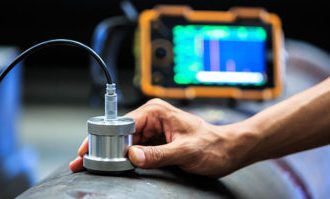
Pipelines can measure anywhere from 6 to 48 inches (15-120 cm) in diameter. In order to ensure their efficient and safe operation, operators routinely inspect their pipelines for corrosion and defects. This is done with sophisticated pieces of equipment known as “pigs.” Pigs are intelligent robotic devices that are propelled down pipelines to evaluate the interior of the pipe. Pigs can test pipe thickness, roundness, check for signs of corrosion, detect minute leaks, and any other defect along the interior of the pipeline that may either restrict the flow of gas, or pose a potential safety risk for the operation of the pipeline. Sending a pig down a pipeline is fittingly known as “pigging.” The export facility must contain equipment to safely insert and retrieve pigs from the pipeline as well as depressurization, referred to as pig launchers and pig receivers.
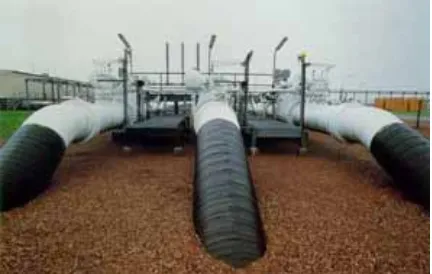
Loading on tankers involves loading systems, ranging from tanker jetties to sophisticated singlepoint mooring and loading systems that allow the tanker to dock and load the product, even in bad weather.