




So, what makes a good requirement? A good requirement should be valuable and actionable; it should define a need as well as provide a pathway to a solution. Everyone on the team should understand what it means. Requirements vary in complexity.
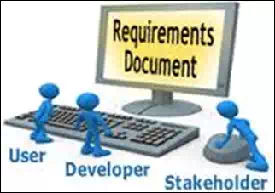
● A good Requirements Document can be part of a group with high-level requirements broken down into sub requirements.
● They may also include very detailed specifications that include a set of functional requirements describing the behaviour or components of the end product.
● Good requirements need to be concise and specific, and should answer the question, “what do we need?” Rather than, “how do we fulfil a need?”
● Good requirements ensure that all stakeholders understand their part of the plan; if parts are unclear or misinterpreted the final product could be defective or fail.
Preventing failure or misinterpretation of requirements can be aided by receiving feedback from the team continuously throughout the process as requirements evolve. Continuous collaboration and buy-in with everyone is a key to success.


