




The scale discussed below and those in Art. 5.21 and 5.23 useful in assessing human perception to vibration levels. They are presented to provide insight with respect
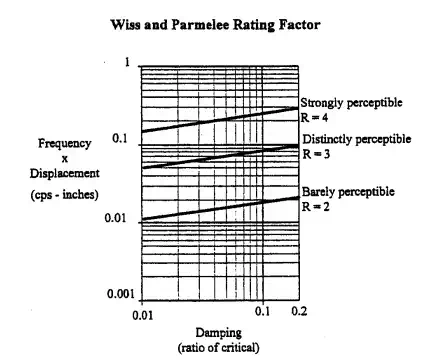
FIGURE 5.115 Wiss and Parmelee rating factor scale
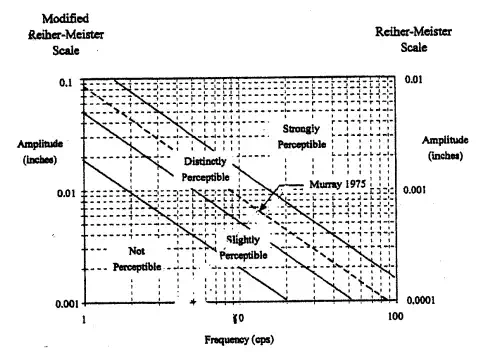
FIGURE 5.116 Modified Reiher-Meister and Reiher-Meister scales.
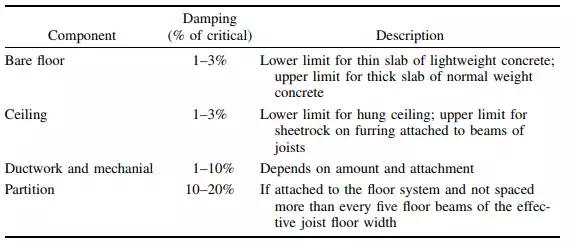
TABLE 5.21 Estimates of Floor System Damping
to the vibration levels which annoy occupants as well as a historical perspective on the development of floor vibration criteria. Reiher and Meister15 published a frequently referenced scale concerning human perception to steady-state vibration. While this scale was not derived specifically for the evaluation of floor systems, it has been extrapolated by other researchers for such purposes. The scale represented by the right-hand axis of the graph in Fig. 5.116 was derived from the subjective evaluations of 10 persons standing on a vibrating platform. The subjects were exposed to vertical steady-state vibration episodes each lasting approximately 5 minutes and were asked to classify the vibration as (1) slightly perceptible, (2) distinctly perceptible, (3) strongly perceptible, (4) disturbing, and (5) very disturbing. The frequency and displacement ranges of the episodes were 5 to 70 Hz and 0.001 to 0.40 in, respectively.


