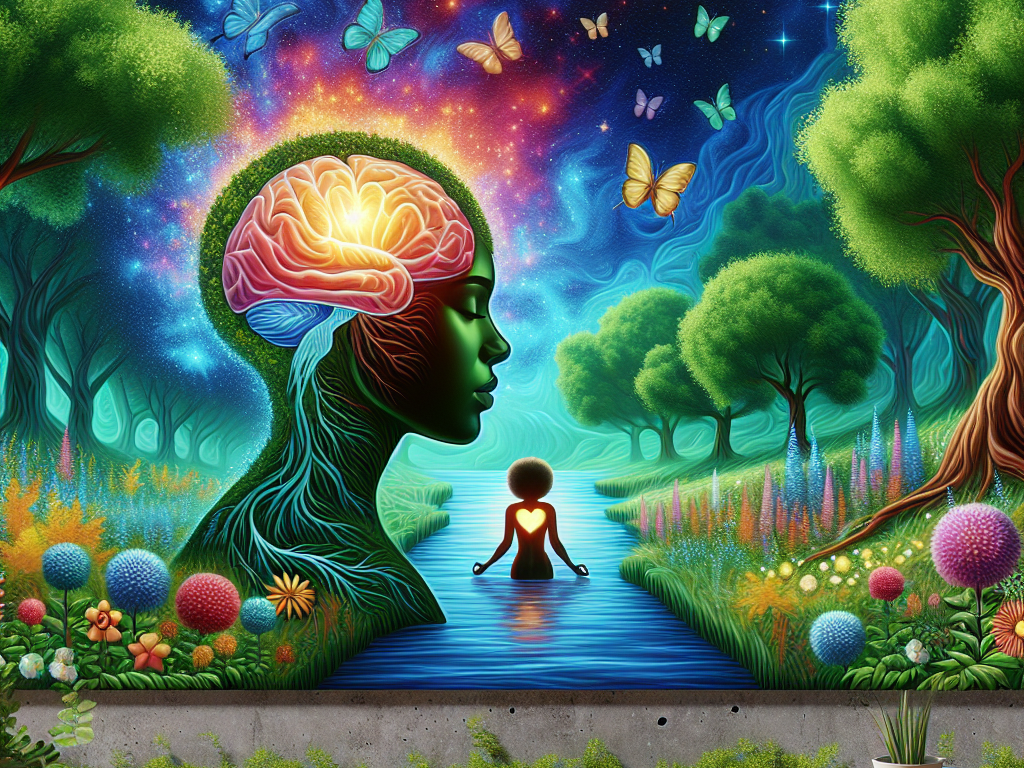
Have you ever noticed how a simple walk in the park can instantly lift your spirits? There’s more to it than just the fresh air and lovely scenery. In fact, research suggests that immersion in nature can have profound effects on our mental health. From reducing stress to boosting mood and enhancing cognitive functions, the healing power of nature is truly remarkable. Now, let’s delve into how and why spending time in the natural world can be so beneficial for our mental well-being.
We often underestimate how our surroundings impact our psychological state. But the science is clear: our mental health greatly benefits from regular contact with the natural world. Whether it’s a forest, a beach, or even a city park, these green spaces provide a calm and serene environment that nurtures our minds. Want to learn more about the healing power of nature and how you can take advantage of it? Read on to explore the fascinating link between nature immersion and improved mental health.
Table of contents
- Introduction
- Exploring the Healing Power of Nature for Mental Health
- Unveil the Connection Between Nature Immersion and Psychological Well-being
- Discovering Nature’s Role in Alleviating Mental Health Issues
- The Therapeutic Effects of Nature Immersion on Mental Disorders
- Mental Health Rejuvenation: The Role of Nature’s Restorative Power
- Conclusion
Exploring the Healing Power of Nature for Mental Health

- Exploring the Healing Power of Nature for Mental Health
- Unveil the Connection Between Nature Immersion and Psychological Well-being
- Discovering Nature’s Role in Alleviating Mental Health Issues
- The Therapeutic Effects of Nature Immersion on Mental Disorders
- Mental Health Rejuvenation: The Role of Nature’s Restorative Power
- Frequently Asked Question
- 1. How Does Nature Influence Mental Health?
- 2. What Is The Concept Of Ecotherapy?
- 3. Can Nature Help In Stress Reduction?
- 4. How Does The Healing Power Of Nature Improve Mood?
- 5. Can Immersion In Nature Improve Concentration?
- 6. How Often should You Engage With Nature For Mental Health Benefit?
- 7. Can The Healing Power Of Nature Benefit Children’s Mental Health?
- Conclusion
Have you ever felt a sense of calm wash over you as you listened to the rustling leaves or the babbling brook? This is no coincidence. The healing power of nature for mental health is a topic that has garnered significant attention in recent years. Immersing yourself in the natural world can have profound effects on your wellbeing, helping to alleviate stress and anxiety while promoting a sense of peace and tranquility.
Studies suggest that exposure to nature can result in lower cortisol levels, a hormone often associated with stress. Nature immersion can also increase the production of positive hormones such as serotonin and dopamine. The tranquility of nature offers a break from the hustle and bustle of everyday life, providing a mental detox. This is why a walk in the park or a hike in the woods can often feel so rejuvenating.
Furthermore, being in nature can enhance cognitive function, improve concentration and spark creativity. Whether it’s gardening, bird-watching, or simply sitting under a tree, engaging with nature can nourish your mind, reduce mental fatigue, and inspire new ideas. So why not take the opportunity to disconnect from the digital world and reconnect with nature?
Unveil the Connection Between Nature Immersion and Psychological Well-being
Immersing oneself in nature can work wonders for mental health. Many studies have found a direct link between time spent in natural settings and reduced stress, anxiety, and depression. The soothing sounds of a bubbling brook, the serene sight of verdant trees, or the gentle rustling of leaves can promote relaxation and peace, which in turn boost psychological well-being.
Exposure to the natural world stimulates our senses in a gentle, non-threatening way. This has been found to reduce the high blood pressure and rapid heartbeat typically associated with stress and anxiety. The reason for this is still a subject of research, but it’s believed that the calmness and beauty of nature activate parts of the brain associated with wellness and positivity.
In addition, fostering a connection with nature also encourages mindfulness – the practice of being fully present and engaged in the moment, which has multiple mental health benefits. Nature immersion promotes this mindfulness by drawing our attention to the beauty around us, distracting us from daily stressors and allowing us to focus solely on the present moment.
So, the next time you’re feeling overwhelmed, try taking a break and stepping into nature. It doesn’t need to be a grand wilderness adventure – even a simple walk in your local park can deliver profound benefits. Indeed, the healing power of nature is one of the most effective (and cost-effective) mental health treatments available.
Discovering Nature’s Role in Alleviating Mental Health Issues
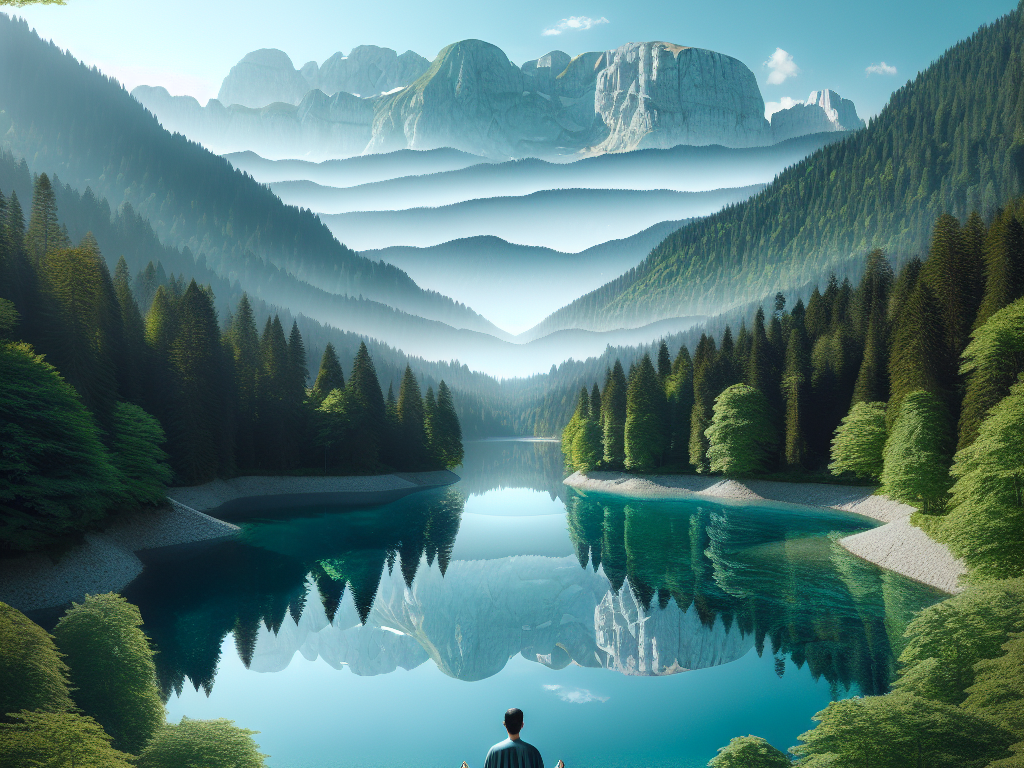
An unprecedented rise in mental health issues today prompts us to seek solace and healing in various forms. Interestingly, nature has emerged as a potent healer. The simple act of immersing ourselves fully in the natural world can work wonders in alleviating anxiety, stress, and depression.
Several studies report that even brief encounters with nature can improve our mental outlook and create a positive shift in our emotions. These experiences could be as fundamental as a walk in the woods, gardening, or even sitting quietly in a park.
Why is this so? Nature, unburdened by the complexities of our modern world, offers a serene environment that enables us to ‘switch off’ from our daily pressures. This respite helps us gain perspective, clear our minds, and increase our focus.
Beyond the serenity, nature challenges us physically too. Activities such as hiking, swimming, or cycling not only improve our physical health but also release endorphins – our feel-good hormones. This natural high can significantly boost our mood and emotional wellbeing.
In a nutshell, nature’s role in mental health is far more significant than we realize. It’s time we embraced the healing power of the natural world, making it a vital part of our mental health toolkit.
The Therapeutic Effects of Nature Immersion on Mental Disorders
Immersion in nature has long been recognized as a powerful form of therapy for mental disorders. This connection with the natural world can indeed provide significant therapeutic effects for individuals grappling with various mental health issues. These benefits are not only intuitive but also backed by scientific research.
The natural environment, with its serene landscapes and soothing sounds, has a calming effect that alleviates stress and anxiety. It does so by reducing the production of cortisol, a hormone associated with stress. Additionally, the vibrant colors and fresh air found in nature stimulate the senses in a positive way, providing an overall sense of well-being.
People suffering from depression can particularly benefit from nature immersion. Many studies have shown that exposure to natural light regulates mood-related chemicals in the brain, helping to alleviate depressive symptoms. Furthermore, engaging in outdoor activities encourages physical exercise, which also plays a vital role in managing depression.
In conclusion, nature immersion therapy can be a significant aspect of managing and treating mental disorders. It offers a holistic approach to mental health, combining the physical, mental, and sensory benefits of being in nature. However, it should be viewed as a complement to professional mental health treatment rather than as a standalone cure.
Mental Health Rejuvenation: The Role of Nature’s Restorative Power
The bustling hubbub of modern life often leaves us mentally drained and craving tranquillity. This is where the restorative power of nature steps in to rejuvenate our worn-out minds. Spending time amongst the rustling leaves, vibrant flowers, and chirping birds isn’t just a leisurely pastime, it’s therapeutic.
Engaging with nature decreases stress levels, boosts mood, and promotes a sense of well-being. Imagine leaving behind the city’s noise pollution to immerse yourself in the symphony of nature’s sounds—the gentle whispers of the wind, the soothing hum of insects, the melodious songs of birds. This sensory experience calms the mind and replenishes our mental energy.
Moreover, the natural world provides us with an opportunity to practice mindfulness, a valuable mental health tool. When we’re in nature, we’re encouraged to be present and observe in detail, promoting a sense of peace and contentment. Whether it’s watching a sunset, walking barefoot on grass, or just breathing in the fresh air, every interaction with nature leaves a positive impact on our mental health.
So, let’s step out, breathe deep, and experience the healing power of nature. Not just to escape, but to return to ourselves, to find a clearer mind and healthier mental state. After all, as the saying goes, nature is the best medicine.
Frequently Asked Question
1. How Does Nature Influence Mental Health?
Being in nature can have a profound impact on our mental health. It has been scientifically proven that immersing ourselves in the natural world can reduce stress, anxiety, and depression. The beauty and tranquility of nature can help to distract us from our worries and problems, allowing our minds to relax and rejuvenate. This process, often referred to as forest bathing or ecotherapy, promotes a sense of wellbeing and can significantly improve our mental health.
2. What Is The Concept Of Ecotherapy?
Ecotherapy, also known as nature therapy or green therapy, is a form of treatment that involves doing activities in the natural environment to help boost your mood and improve mental health. It is based on the idea that people are connected to and impacted by the natural environment. A growing body of research highlights the positive benefits of connecting with nature.
3. Can Nature Help In Stress Reduction?
Yes, nature can play a significant role in stress reduction. Spending time in nature allows our bodies to enter a state of calm, lowering our heart rate and blood pressure. This natural calming effect can help to reduce stress levels, aid in relaxation, and improve overall mental health. This concept is often referred to as the healing power of nature.
4. How Does The Healing Power Of Nature Improve Mood?
The healing power of nature has a tremendous effect on mood improvement. Exposure to sunlight in the outdoors leads to an increase in serotonin levels, which helps to elevate mood and promote a sense of calm and focus. It also encourages physical activity, which in turn can improve mental health and mood.
5. Can Immersion In Nature Improve Concentration?
Yes, studies have shown that immersion in nature can enhance concentration. Nature’s calming effects allow the mind to focus better, reducing mental fatigue and enhancing cognitive functions. The natural world’s sensory stimuli – the sights, sounds, and smells, can help reset our attention span, leading to improved focus and mental health.
6. How Often should You Engage With Nature For Mental Health Benefit?
While there is no set rule for how often one should engage with nature, most experts recommend spending at least 30 minutes to an hour in nature each day for optimal mental health benefits. However, even short, regular exposure to nature can have a significant positive impact on your mental well-being.
7. Can The Healing Power Of Nature Benefit Children’s Mental Health?
Yes, the healing power of nature isn’t just beneficial for adults; it also plays a crucial role in children’s mental health. Regular outdoor play in natural settings can help children reduce stress, improve mood, enhance focus, and promote a positive demeanor. It also fosters their creativity and imagination, contributing to their overall mental and emotional well-being.
Conclusion
In conclusion, immersing oneself in the natural world has profound benefits for mental health. The healing power of nature serves as a natural antidote to stress, anxiety, and depression, fostering feelings of peace, tranquility, and rejuvenation. Engaging in outdoor activities or simply spending time in nature promotes better mental well-being, enhances mood, and stimulates a positive mindset. It’s an affordable, accessible, and effective therapy that anyone can incorporate into their daily routine. Therefore, leveraging the therapeutic benefits of nature is crucial for maintaining mental health and overall well-being. So, let’s step outside, breathe in the fresh air, and embrace the healing power of nature for a healthier mind and happier life.