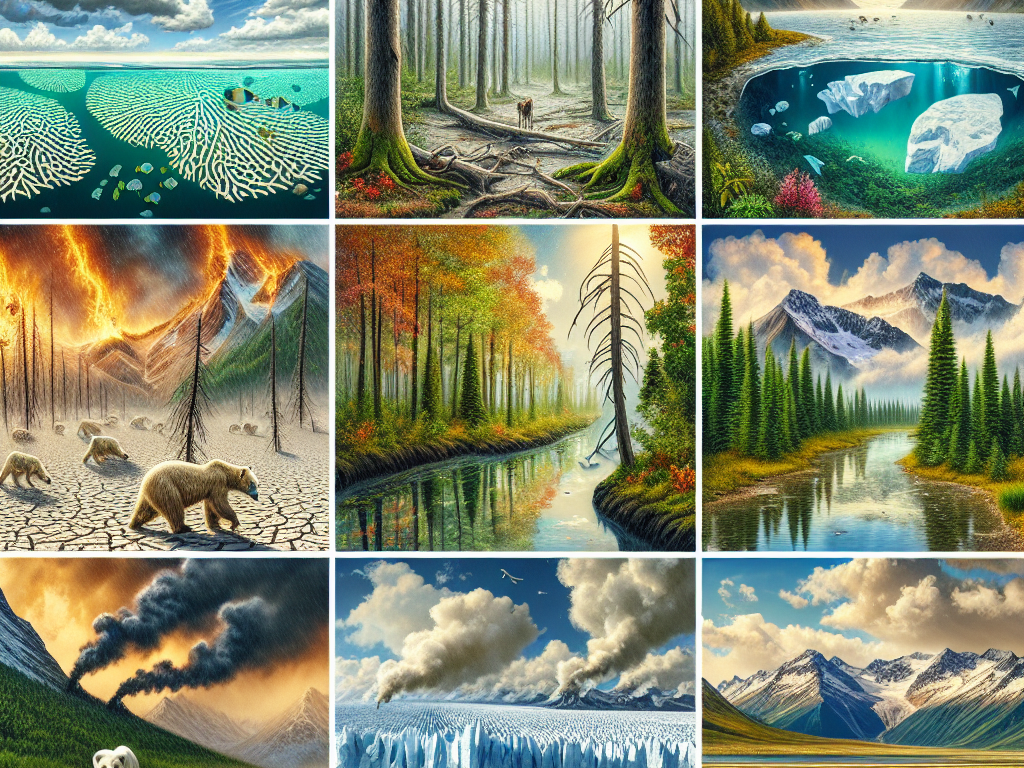
The fragile balance of nature is at risk. Climate change, a harsh reality of our times, is wreaking havoc on the world’s ecosystems, threatening the existence of a multitude of flora and fauna. This global phenomenon is not only altering weather patterns but is also significantly affecting the survival and distribution of various plant and animal species. Our planet’s biodiversity is under siege, signaling an urgent call for nature conservation. While climate change is a complex issue, understanding its profound impact on our natural world is crucial.
As stewards of the earth, it is our responsibility to address this crisis. The lives of numerous plant and animal species hang in the balance. Their survival directly impacts our survival. Hence, understanding the adverse effects of climate change on flora and fauna can inspire us to take decisive actions. But, how exactly does climate change affect them? And more importantly, what can we do about it? Let’s delve deeper into this critical issue and explore possible solutions in the subsequent sections of this article. You’re encouraged to keep reading and join the conversation about nature conservation, a matter of global importance.
Table of contents
- Introduction
- Understanding the Devastating Effects of Climate Change on Flora and Fauna
- How Climate Change Disrupts the Delicate Balance of Nature
- Climate Change and Biodiversity Loss: Why We Must Act Now for Nature Conservation
- The Plight of Flora and Fauna in a Rapidly Changing Climate
- Urgent Measures Required to Protect Flora and Fauna from the Impacts of Climate Change
- Conclusion
Understanding the Devastating Effects of Climate Change on Flora and Fauna
The impacts of climate change on flora and fauna are devastating and far-reaching. The escalating temperatures, shifting weather patterns, and rising sea levels are taking a heavy toll on our planet’s biodiversity. From deserts to forests, from mountains to oceans – no ecosystem is safe. It’s high time we understand and act on this imminent threat.
- Understanding the Devastating Effects of Climate Change on Flora and Fauna
- How Climate Change Disrupts the Delicate Balance of Nature
- Climate Change and Biodiversity Loss: Why We Must Act Now for Nature Conservation
- The Plight of Flora and Fauna in a Rapidly Changing Climate
- Urgent Measures Required to Protect Flora and Fauna from the Impacts of Climate Change
- Frequently Asked Question
- 1. What is the Impact of Climate Change on Biodiversity?
- 2. How are Flora and Fauna Affected by Climate Change?
- 3. Can Climate Change Cause the Spread of Invasive Species?
- 4. How does Climate Change Affect Marine Life?
- 5. What is the Role of Conservation in Mitigating the Impact of Climate Change?
- 6. How Can We Contribute to Nature Conservation?
- 7. What is the Future of Biodiversity in the Face of Climate Change?
- Conclusion
Climate change affects fauna in numerous ways. Animals such as polar bears and penguins are losing their icy habitats due to melting glaciers. On the other hand, warmer temperatures are forcing species to migrate, often leading to conflict with other species and dwindling food resources. Birds are changing their migration patterns, marine species are moving towards colder waters, and terrestrial animals are ascending higher altitudes, signifying their desperate attempt to adapt.
Similarly, the flora is also under siege. Increasing temperatures are leading to more frequent and intense wildfires, decimating vast expanses of forest. The rise in carbon dioxide levels is causing ocean acidification, threatening the survival of marine plants and the wildlife that depends on them. Moreover, droughts, storms, and unpredictable rainfall are jeopardizing plant growth and survival.
These changes are not just threatening the survival of individual species; they’re threatening the balance of entire ecosystems. By harming biodiversity, climate change makes ecosystems less resilient and more susceptible to pests and diseases. It’s clear that the impacts are profound and require immediate attention.
How Climate Change Disrupts the Delicate Balance of Nature
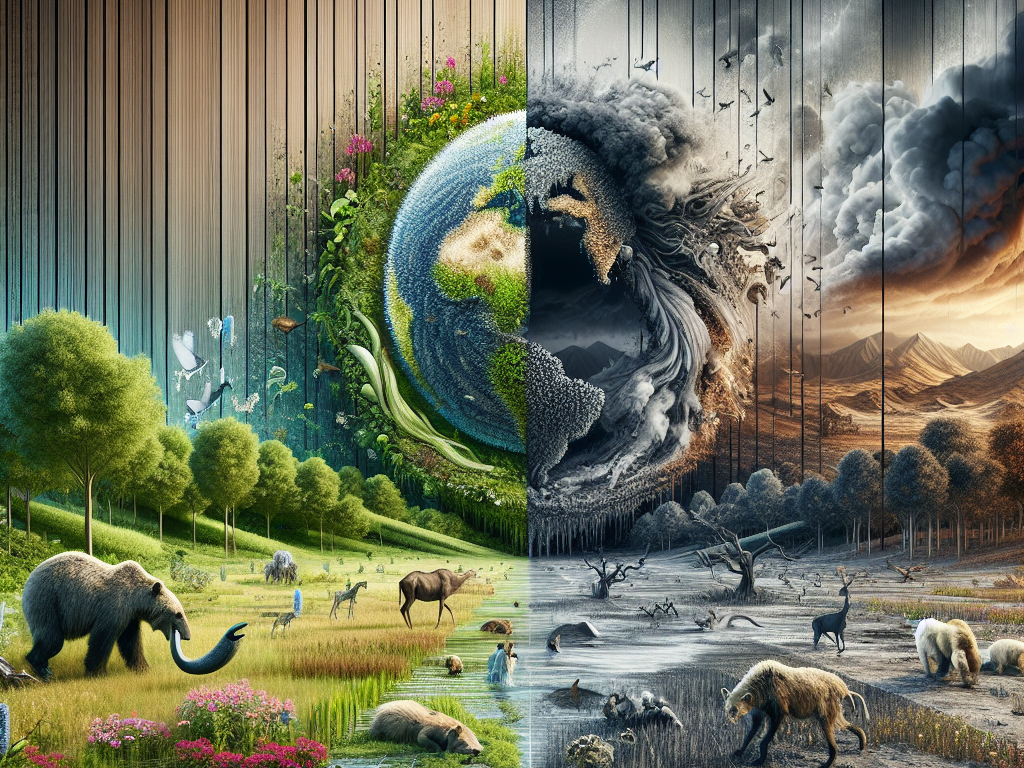
The alarming reality of climate change has long been established, yet its profound impact on the delicate balance of nature often goes underdiscussed. Our planet’s flora and fauna, which have evolved over millions of years to adapt to specific environments, are now grappling with rapidly changing climatic conditions. The usual rhythm of nature is disrupted by these abrupt changes, leading to a ripple effect throughout the whole ecosystem.
Consider how shifts in temperature patterns can affect plants. Many plant species are finely tuned to their local climates, with flowering and fruiting times sensitive to temperature and sunlight changes. When these conditions are disrupted, it can throw off their entire growth cycle. This can have a domino effect, impacting the dependent herbivores and, in turn, the carnivores that prey on them.
Similarly, our wildlife is not spared from the ravages of climate change either. Changes in seasonal patterns and extreme weather events can disrupt migratory patterns and breeding schedules. This not only threatens individual species but can also throw whole ecosystems out of sync.
Consequently, the delicate balance of our nature, the intricate web of life, is at risk. The importance of addressing climate change and conserving nature cannot be overstated, as every plant and animal plays a unique role in preserving our planet’s health and diversity.
Climate Change and Biodiversity Loss: Why We Must Act Now for Nature Conservation
The profound connection between climate change and biodiversity loss is undeniable. Climate change, brought about by increasing greenhouse gases, is accelerating the rate at which species are vanishing. This alarming situation presents not just a moral dilemma, but also threatens the balance of our ecosystems. The urgency for nature conservation cannot be overstated.
Fluctuating temperatures upset the delicate harmony in which flora and fauna thrive. Animals and plants, adapted to specific environmental conditions, find survival increasingly difficult. This disturbance in biodiversity directly impacts our lives as well, as it jeopardizes the natural services we so heavily rely on, from food crops to clean water.
The time to act is now. We must work towards reducing our carbon footprint, adopting sustainable lifestyles, and injecting resources into conservation efforts. Every small change can contribute to a bigger impact. By acknowledging the urgency of the problem, we can begin to reverse the damage and protect our precious biodiversity for future generations.
As stewards of the Earth, we hold the power to mitigate this crisis. Together, we can champion nature conservation and ensure a healthy, thriving planet for generations to come. The call to action is clear – save our biodiversity, save our Earth.
The Plight of Flora and Fauna in a Rapidly Changing Climate
Climate change is no longer a distant threat, but a stark reality that’s drastically altering our natural world. Our flora and fauna – the diverse plant and animal life that has taken millennia to evolve – are now at the mercy of rapidly shifting climates.
Flora is under immense stress as global warming results in increased temperatures, altered rainfall patterns and more frequent extreme weather events. These conditions often exceed the tolerance levels of plant species, causing widespread damage to plant communities.
Similarly, the world’s fauna is grappling with hostile changes in their habitats. Animals are forced to migrate in search of more suitable climates, causing disruption in biodiversity and ecosystem balance. From the smallest insects to the largest mammals, every creature is feeling the heat of climate change.
For instance, coral reefs, the rainforests of the sea, are experiencing severe bleaching due to ocean warming and acidification. On land, the polar bear, an icon of the Arctic, is struggling for survival as melting ice reduces its hunting grounds.
Our flora and fauna are not just casualties of climate change, they are our critical allies in the fight against it. Their loss could compromise our ecosystems’ ability to capture carbon, thus accelerating global warming. The plight of our flora and fauna underlines an urgent call for nature conservation.
Urgent Measures Required to Protect Flora and Fauna from the Impacts of Climate Change
Our planet is presently facing the severe crisis of climate change, which is posing a significant threat to the vitality of our planet’s flora and fauna. The adverse effects of climate change, such as unpredictable weather patterns, increased temperature, and rising sea levels, are causing remarkable shifts in the natural habitats of numerous species, triggering a drastic decline in biodiversity.
Immediate and strategic measures are urgently required to mitigate these impacts and preserve our rich biodiversity. A holistic approach that focuses on reducing greenhouse gas emissions, promoting sustainable land use, and initiating large-scale reforestation projects can help create a more balanced and resilient ecosystem.
Moreover, strengthening global environmental laws and policies aimed at wildlife protection and conservation can also play a pivotal role in protecting flora and fauna from the impacts of climate change. It’s high time we took collective action to address this pressing issue and safeguard the future of our planet’s biodiversity.
Frequently Asked Question
1. What is the Impact of Climate Change on Biodiversity?
Climate change has far-reaching consequences on biodiversity, reshaping the habitat and life cycles of various plants and animals. When we talk about biodiversity, we refer to the vast variety of life on Earth and all the ways they interconnect. Climate change intensifies the risks of extinction for many species and alters the balance of ecosystems. A significant concern is the accelerated rate of species extinction due to shifting weather patterns, rising sea levels, and increased frequency and intensity of extreme weather events.
2. How are Flora and Fauna Affected by Climate Change?
Both flora (plants) and fauna (animals) are significantly affected by climate change. The impact of climate change on plants is witnessed through a change in flowering and fruiting periods, distribution, and even extinction of some species. Fauna, on the other hand, experiences shifts in migration patterns, changes in breeding seasons, and alteration in food availability, all leading to a disruption in the delicate balance of biodiversity.
3. Can Climate Change Cause the Spread of Invasive Species?
Yes, climate change can contribute to the proliferation of invasive species. Warmer temperatures can create conducive environments for invasive species to thrive, often at the expense of native flora and fauna. These non-native species can outcompete native species for resources, leading to a decline in biodiversity.
4. How does Climate Change Affect Marine Life?
Climate change also has a profound impact on marine life. Rising ocean temperatures and acidification due to increased carbon dioxide levels pose a significant threat to coral reefs, fish populations, and marine ecosystems as a whole. The loss of marine biodiversity disrupts the food chain, affecting all species, including humans, who rely on these ecosystems for food and livelihood.
5. What is the Role of Conservation in Mitigating the Impact of Climate Change?
Conservation plays a vital role in mitigating the impacts of climate change. By preserving and restoring ecosystems, we can enhance the natural resilience of biodiversity against the effects of climate change. Conservation efforts can also help absorb a significant amount of greenhouse gases, thus helping to regulate the climate.
6. How Can We Contribute to Nature Conservation?
Individuals can contribute to nature conservation in various ways. Simple actions like reducing energy consumption, recycling, planting trees, reducing the use of pesticides, and supporting renewable energy sources can have a significant impact. Advocacy and education about the importance of biodiversity and the impacts of climate change are also crucial in influencing policy and community action.
7. What is the Future of Biodiversity in the Face of Climate Change?
The future of biodiversity in the face of climate change depends largely on human action. If greenhouse gas emissions continue at their current rate, the Earth’s average temperature could increase by up to 4.8°C by the end of the century, leading to catastrophic loss of biodiversity. However, with effective mitigation strategies and strong conservation efforts, we can minimize the impact of climate change on flora and fauna and protect our planet for future generations.
Conclusion
In conclusion, climate change is a grave global issue with serious implications for our planet’s flora and fauna. The alarmingly rapid alterations in our environment are causing distressing changes in biodiversity, leading to the extinction of various species and significant disruption of ecosystems. It is clear from the evidence presented that there is a pressing need for urgent action in the form of conservation efforts. We, as stewards of nature, must take responsibility for our actions and work collaboratively towards mitigating the impacts of climate change. It is our collective duty to preserve the world and its biodiversity for future generations. Let’s heed this urgent call for nature conservation, and commit to sustainable practices and conscientious living to ensure the survival and prosperity of our planet’s flora and fauna.