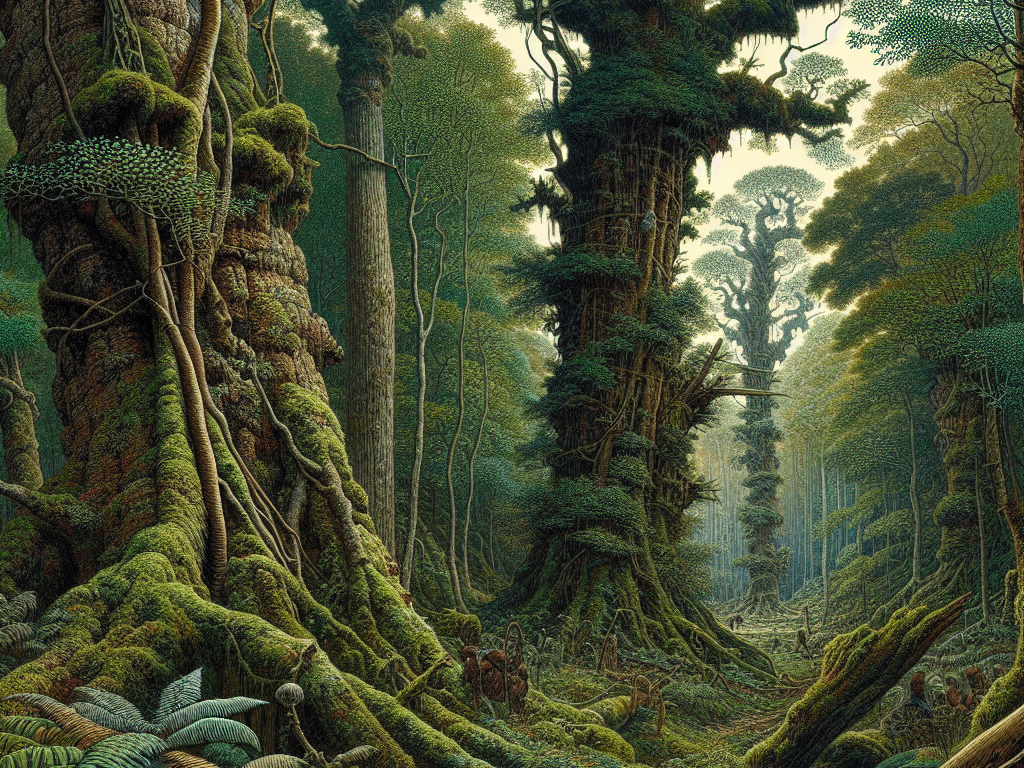
Have you ever wondered about the secrets hidden within the verdant expanses of ancient forests? Embark on a mesmerizing journey as we delve into the fascinating world of trees, a world that has silently thrived for millions of years. Our planet’s ancient forests are more than just clusters of towering giants; they are intricate ecosystems teeming with life, holding secrets of the past, and playing a crucial role in our planet’s health and survival.
The beauty of these forests and their inhabitants is not just skin-deep. They are rich in historical and cultural significance, are reservoirs of biodiversity, and play a pivotal role in mitigating climate change. This article will uncover the stories and mysteries these majestic trees have silently held for centuries. From the tallest Redwoods to the oldest Bristlecones, let’s delve into their secrets, understand their importance, and appreciate the incredible world of trees. Enjoy this captivating, awe-inspiring exploration that you won’t want to miss. Read on to uncover the secrets of ancient forests.
Table of contents
- Introduction
- Unveiling the Mysteries of Age-Old Forests: A Journey into the World of Trees
- Amazing Biodiversity: How Ancient Forests Support Complex Ecosystems
- Deciphering Tree Rings: A Glimpse into the History of Ancient Forests
- The Role of Trees in Climate Regulation: Secrets of Ancient Forests Uncovered
- The Importance of Conservation: Protecting the Fascinating World of Trees
- Conclusion
Unveiling the Mysteries of Age-Old Forests: A Journey into the World of Trees
- Unveiling the Mysteries of Age-Old Forests: A Journey into the World of Trees
- Amazing Biodiversity: How Ancient Forests Support Complex Ecosystems
- Deciphering Tree Rings: A Glimpse into the History of Ancient Forests
- The Role of Trees in Climate Regulation: Secrets of Ancient Forests Uncovered
- The Importance of Conservation: Protecting the Fascinating World of Trees
- Frequently Asked Question
- What Makes Ancient Forests Unique?
- How do Trees Communicate in Forests?
- What are the Oldest Known Trees in the World?
- Why are Ancient Forests Important to Our Ecosystem?
- What Threats do Ancient Forests Face?
- How Can We Help Protect Ancient Forests?
- What Can We Learn From Studying Trees?
- Conclusion
Have you ever walked through a forest, looked at the towering trees around you and felt a sense of wonder? You’re not alone. There’s a fascinating world hidden within these ancient forests, a world that holds the secrets of the earth’s past. Let’s embark on an exciting journey to unravel these mysteries.
The age-old forests are teeming with life, with each tree contributing to a vast, interconnected network. These trees breathe life into the planet, absorbing carbon dioxide and releasing oxygen. They’re not just silent witnesses to history but active participants in the shaping of our world.
Their story begins from the core. The rings in the trunk of a tree serve as a record of the passing years, with each ring marking a year of growth. This can tell us about the environmental conditions of the past, such as periods of drought or bountiful rainfall.
Ancient forests are also home to a diverse range of flora and fauna, each with its unique role. From the tiniest insect to the largest mammal, each creature depends on these trees for survival. This rich biodiversity is a testament to the intricate balance of nature.
Unveiling the mysteries of these age-old forests is more than just an academic pursuit. It’s a journey of discovery, a testament to the power and grandeur of nature. So, the next time you step into a forest, look beyond the lush greenery. You’re stepping into a world of mysteries waiting to be unveiled.
Amazing Biodiversity: How Ancient Forests Support Complex Ecosystems
Step into an ancient forest and you’re stepping into a world brimming with an incredible amount of biodiversity. These timeless woods serve as the backbone of some of the planet’s most complex ecosystems. Amid the towering trunks and leaf-laden canopies, countless species of plants, insects, birds, and mammals call these places home.
Ancient forests are like nature’s own bustling city, hosting a plethora of life forms. Each organism, from the smallest microbes to the largest predators, plays a vital role in maintaining the balance of the ecosystem. The intertwining relationships and dependencies form a vibrant web of life, where each thread is crucial for the sustainment of the whole.
Over centuries, these forests have adapted and evolved into self-sustaining systems. Trees, shrubs, and ground vegetation work together to create a perfect habitat for myriad species. The lush canopy provides shelter, while the forest floor offers food and nesting spaces. It’s a world where life and survival are intrinsically linked to the trees.
Thus, the biodiversity of ancient forests is not just about the sheer number of species they support. It’s about the intricate, interwoven relationships that make these ecosystems remarkably resilient and robust. Each creature, each plant, each tiny organism contributes to the forest’s overall health, making it a living, breathing entity.
Deciphering Tree Rings: A Glimpse into the History of Ancient Forests
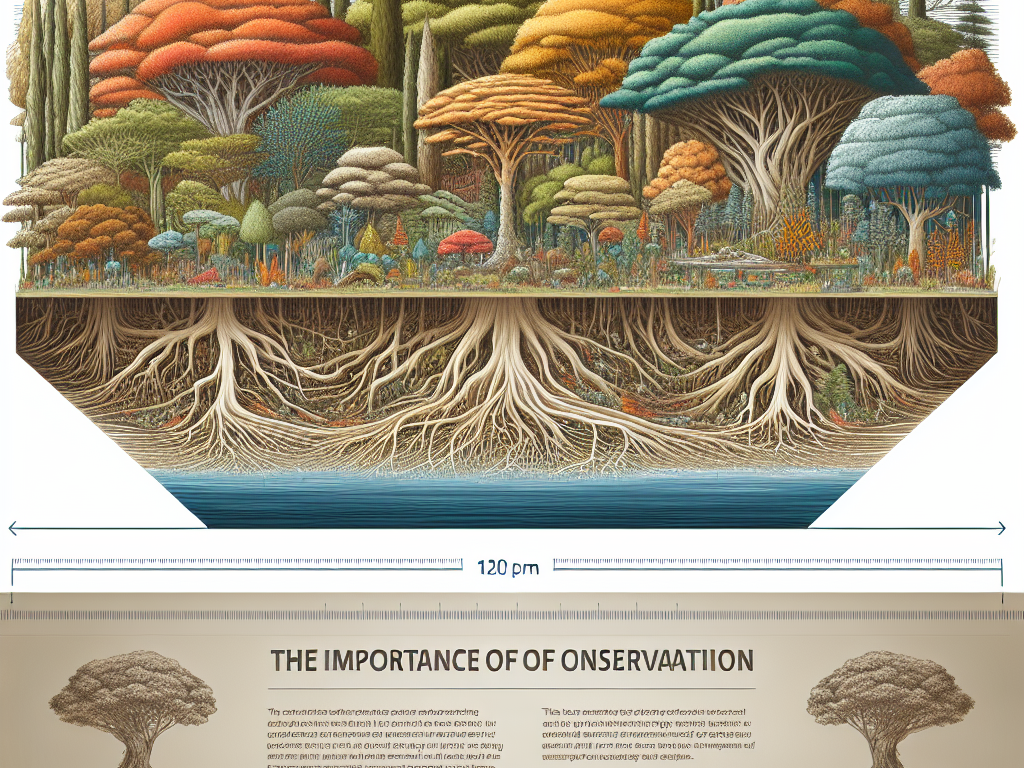
Have you ever wondered how scientists could know so much about the climatic history of our planet? One of the most captivating tools they use is the humble tree ring. Yes, those concentric circles you see when you cut a tree trunk tell a thrilling narrative about our ancient forests. These natural time capsules have been around for centuries, keeping a meticulous record of the climate and environmental changes that happened around them.
Each ring of a tree represents one year of its life. By studying these rings, known as the science of dendrochronology, researchers can decipher a tree’s age and gain insights into the environmental conditions during each year of the tree’s life. Just like a diary, the width, density, and color of these rings offer invaluable information about rainfall, temperature, and even catastrophic events like forest fires or insect plagues.
Decoding tree rings isn’t an easy task; it requires patience, precision, and a profound understanding of botany and climatology. But the insights gained from this process are truly fascinating, providing a window into the life of ancient forests. Through tree rings, we can appreciate the resilience and adaptability of these green giants that have stood tall and proud, weathering storms and surviving adversities for centuries.
So, the next time you see a tree, remember that it’s not just a plant, but a living, breathing history book. Let’s pledge to protect these ancient storytellers and respect the wisdom they hold within their rings. After all, their story is the story of our planet.
The Role of Trees in Climate Regulation: Secrets of Ancient Forests Uncovered
There’s a hidden secret about ancient forests that many of us may not know: they play a significant role in climate regulation. As nature’s own air conditioners, trees absorb carbon dioxide from the atmosphere, producing oxygen in return. This natural process helps reduce the harmful effects of greenhouse gases, thus helping to mitigate climate change.
Ancient forests are particularly effective in this regard. Their age and size mean they can absorb and store a larger amount of carbon over time, making them a crucial weapon in our fight against global warming. They also contribute to the climate by affecting rainfall patterns and providing shade, which cools the earth’s surface.
Moreover, these forests are incredibly biodiverse, housing countless species of plants and animals that contribute to a healthy and balanced ecosystem. Therefore, the preservation of ancient forests is not only vital for biodiversity but also for maintaining the climate balance of our planet.
In conclusion, trees, especially those in ancient forests, are unsung heroes in our battle against climate change. As stewards of the earth, it’s our responsibility to protect and conserve these forests for the sake of our climate, biodiversity, and future generations.
The Importance of Conservation: Protecting the Fascinating World of Trees
The fascinating world of trees is a marvel in itself, offering countless benefits to our planet. However, the rapid rate of deforestation is threatening these ancient forests, emphasizing the urgency of conservation. Every tree is a natural wonder, each with a story that spans several centuries, some even thousands of years. Yet, we are rapidly losing these natural historians due to reckless human activities.
Conservation is a crucial initiative that aims to protect and maintain the health of our world’s forests. It preserves biodiversity, sustains the livelihoods of millions of people, and plays a pivotal role in mitigating climate change. It’s not about simply planting more trees; it’s about safeguarding existing ones and their surrounding ecosystems.
Remember, the trees’ role is fundamental in maintaining the balance of our ecosystem. They act as a natural climate solution by absorbing harmful CO2 emissions, playing an essential part in our fight against global warming. They provide habitats for countless species of animals and plants, contributing to the planet’s biodiversity.
In conclusion, the conservation of trees isn’t a choice but a necessity. It’s a collective responsibility that requires global efforts. The fascinating world of trees is an essential part of our lives, and their conservation is quintessential for the survival and health of our planet.
Frequently Asked Question
What Makes Ancient Forests Unique?
Ancient forests are fascinating due to their rich biodiversity and historical significance. These unique ecosystems harbor countless species of flora and fauna, many of which can’t be found anywhere else. They are also known for their stunning beauty and tranquility, offering an escape from the hustle and bustle of modern life. The secret to their longevity lies in the delicate balance of nature that has been maintained over centuries. The ancient forests are considered vital for the planet’s health, as they play a significant role in maintaining global climate balance and conserving biodiversity.
How do Trees Communicate in Forests?
Surprisingly, trees in forests do communicate with each other. They use a network of fungal threads, known as the “Wood Wide Web,” to exchange nutrients and information. This underground network connects the roots of different trees, creating a complex communication system that rivals human social networks. Through this system, trees can warn each other about threats, share resources, and even nurture younger trees.
What are the Oldest Known Trees in the World?
The world’s oldest trees, often referred to as “Methuselah trees,” are typically found in ancient forests. Some of these trees are estimated to be over 4,000 years old. They carry with them thousands of years of history and have survived through major climatic shifts. Their resilience and longevity are a testament to the dynamic adaptability of trees, providing valuable insights into the Earth’s past climates and environmental changes.
Why are Ancient Forests Important to Our Ecosystem?
Ancient forests play a crucial role in maintaining the Earth’s climate by absorbing carbon dioxide, a major greenhouse gas. They also provide habitats for countless species, maintain water cycles, and preserve soil health. The loss of these forests can have severe repercussions on the planet’s climate and biodiversity. Hence, the preservation of these ancient ecosystems is of paramount importance for our survival and the health of our planet.
What Threats do Ancient Forests Face?
Despite their importance, ancient forests are under threat from human activities like logging, mining, and urbanization. Climate change is also posing a significant risk by altering rainfall patterns and increasing the occurrence of forest fires. These threats are leading to the loss of these vital ecosystems at an alarming rate, endangering the species that depend on them and contributing to climate change.
How Can We Help Protect Ancient Forests?
Protecting ancient forests requires collective effort. Raising awareness about the importance of these forests, supporting sustainable forestry practices, and advocating for stricter laws to prevent deforestation are key steps toward their preservation. Additionally, conservation organizations are working globally to protect and restore these precious ecosystems. Supporting these organizations can also make a significant difference in conserving ancient forests.
What Can We Learn From Studying Trees?
Trees are nature’s storytellers. By examining tree rings, scientists can learn about past climate conditions, environmental changes, and even historical events. This field of study, known as dendrochronology, offers valuable insights into our planet’s history. Furthermore, trees teach us about resilience, cooperation, and the importance of biodiversity, shedding light on the incredible dynamics of nature.
Conclusion
In conclusion, trees and ancient forests unlock an intriguing world teeming with secrets and extraordinary life. They are more than just silent witnesses to the passing of time; they are complex, vibrant ecosystems that play a critical role in the health of our planet. From their impressive longevity and resilience to their invaluable contributions to biodiversity, climate regulation, and oxygen production, these age-old forests showcase the interconnectedness and interdependence of life on Earth. Their stories, engraved in the rings of their trunks, remind us of our responsibility to protect, preserve, and respect these magnificent natural sanctuaries. The fascinating world of trees and ancient forests truly is a testament to the wonder of nature, inviting us all to delve deeper into its mysteries and learn from its wisdom.