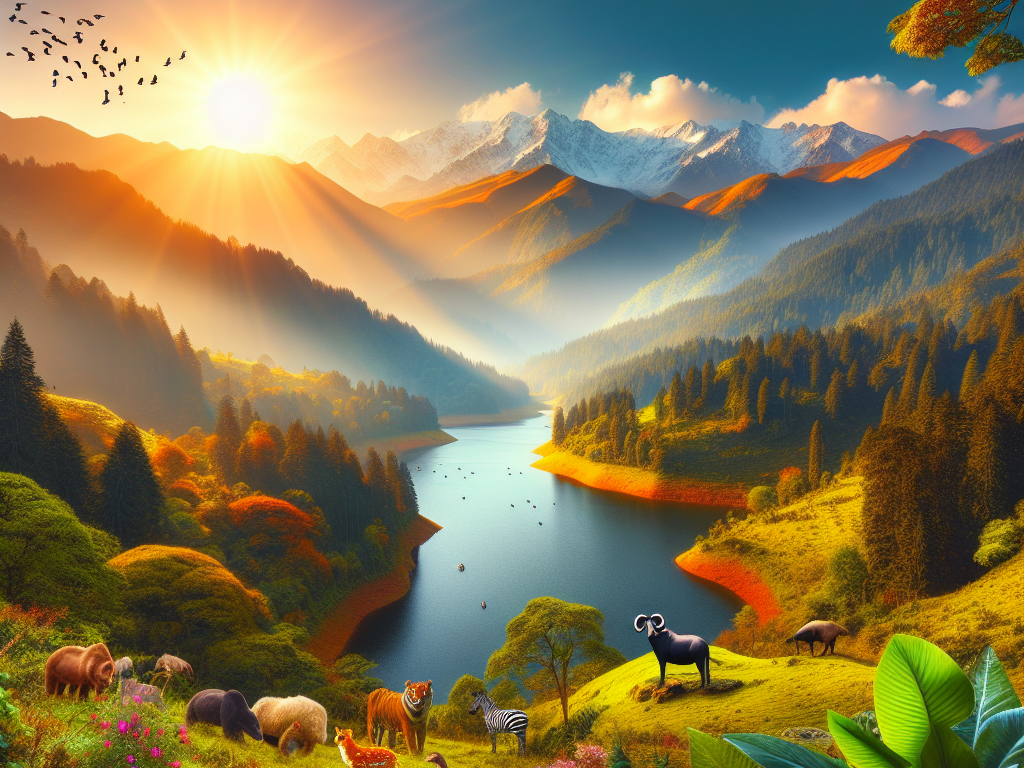
Immerse yourself in the thrilling world of wildlife photography, where each snapshot captures the raw beauty of nature in its most pristine form. This art goes beyond mere picture-taking; it’s about encapsulating the essence of creatures in their natural habitat, witnessing moments that many may never see. The unpredictable nature of wildlife adds a unique challenge, making each photograph a testament to patience, skill, and a keen eye. So, are you ready to dive into this exciting realm where technology meets nature?
Whether you’re an amateur shutterbug or a seasoned professional, our comprehensive guide on wildlife photography will undoubtedly pique your interest. We delve into various aspects, from understanding the behavior of your subjects to mastering the technicalities of your equipment. Discover tips that will elevate your photography skills, learn about the ethics of wildlife photography, and much more. So why wait? Embark on this fascinating journey with us, and let’s explore the wild through the lens together, one click at a time.
Table of contents
- Introduction
- Embracing the Challenge: How to Excel in Wildlife Photography
- The Art of Patience: Waiting for the Perfect Wildlife Shot
- Gearing Up: Essential Equipment for Capturing Nature’s Splendor in Photos
- Exploring Different Techniques in Wildlife Photography
- Preserving the Moment: The Role of Wildlife Photography in Conservation
- Conclusion
Embracing the Challenge: How to Excel in Wildlife Photography
- Embracing the Challenge: How to Excel in Wildlife Photography
- The Art of Patience: Waiting for the Perfect Wildlife Shot
- Gearing Up: Essential Equipment for Capturing Nature’s Splendor in Photos
- Exploring Different Techniques in Wildlife Photography
- Preserving the Moment: The Role of Wildlife Photography in Conservation
- Frequently Asked Question
- What Equipment is Essential for Wildlife Photography?
- How to Approach Animals without Disturbing them?
- What is the Best Time for Wildlife Photography?
- How Essential is Understanding Animal Behavior in Wildlife Photography?
- How to Improve Wildlife Photography Skills?
- Can Wildlife Photography Contribute to Conservation?
- How to Deal with Bad Weather Conditions in Wildlife Photography?
- Conclusion
Wildlife photography is an exciting venture that allows you to capture the raw essence of nature. The challenge lies in adapting to the unpredictable nature of wildlife. But with a few key strategies, you can excel in this field.
The first step to mastering wildlife photography is understanding animal behavior. This knowledge helps you anticipate actions, resulting in more dynamic shots. Practice patience as well, as the perfect shot often comes from waiting for the right moment.
Technical proficiency in high-speed and low-light photography is essential. Wildlife often move quickly and are active during dawn or dusk. Therefore, mastering these skills can significantly enhance your images.
Lastly, always respect the wildlife and their environment. This not only ensures their safety but also allows you to capture their natural behavior, adding authenticity to your shots. Embracing the challenge of wildlife photography is all about leveraging these tactics to capture the raw beauty of nature.
The Art of Patience: Waiting for the Perfect Wildlife Shot
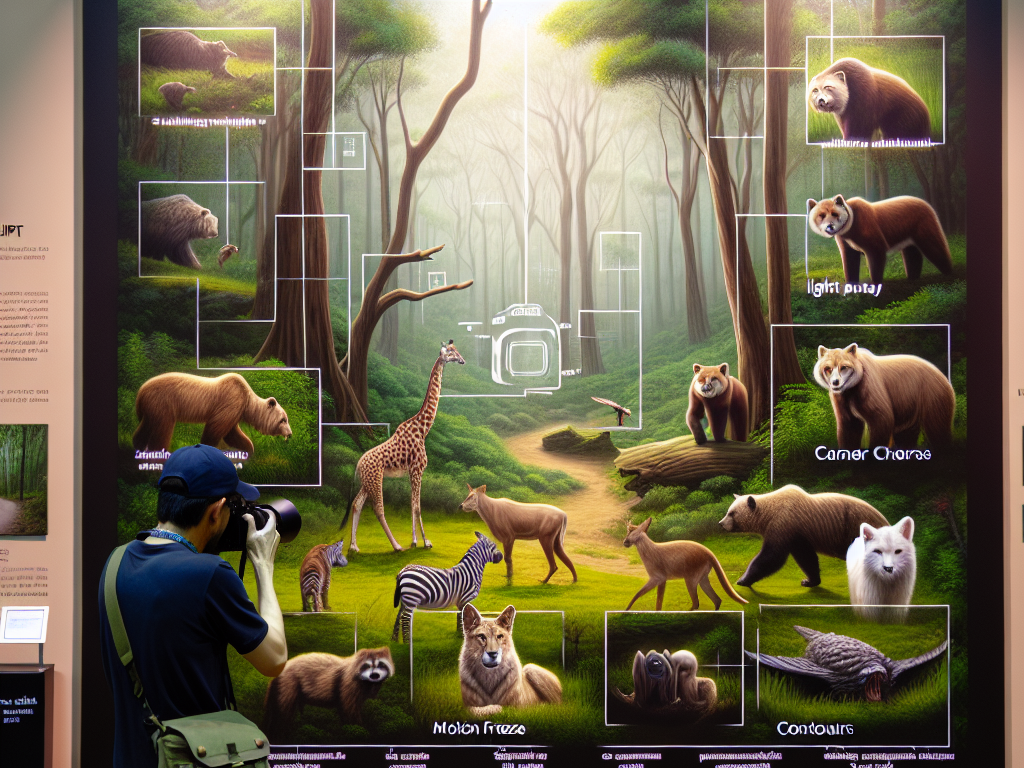
Wildlife photography is as much about patience as it is about skill. Venturing into the wilderness, camera in hand, one must be ready for long periods of waiting. This waiting is not idle though; it is filled with anticipation, with observing, and with becoming attuned to nature’s rhythm.
You may spend countless hours waiting for that elusive creature to emerge, or for the perfect play of light on the landscape. And often, the magic unfolds in fleeting, unexpected moments, making all the patience worthwhile.
Developing this patience is akin to a meditative practice. It involves learning to enjoy the process, the waiting, and the observing. It is about finding pleasure in the quiet lull before the storm of activity.
Remember, the heart of wildlife photography lies not just in capturing stunning images, but in the unique stories that each photograph gets to tell. So, as you wait for that perfect shot, soak in the beauty around you, breathe in the fresh air, and let nature guide your journey.
Gearing Up: Essential Equipment for Capturing Nature’s Splendor in Photos
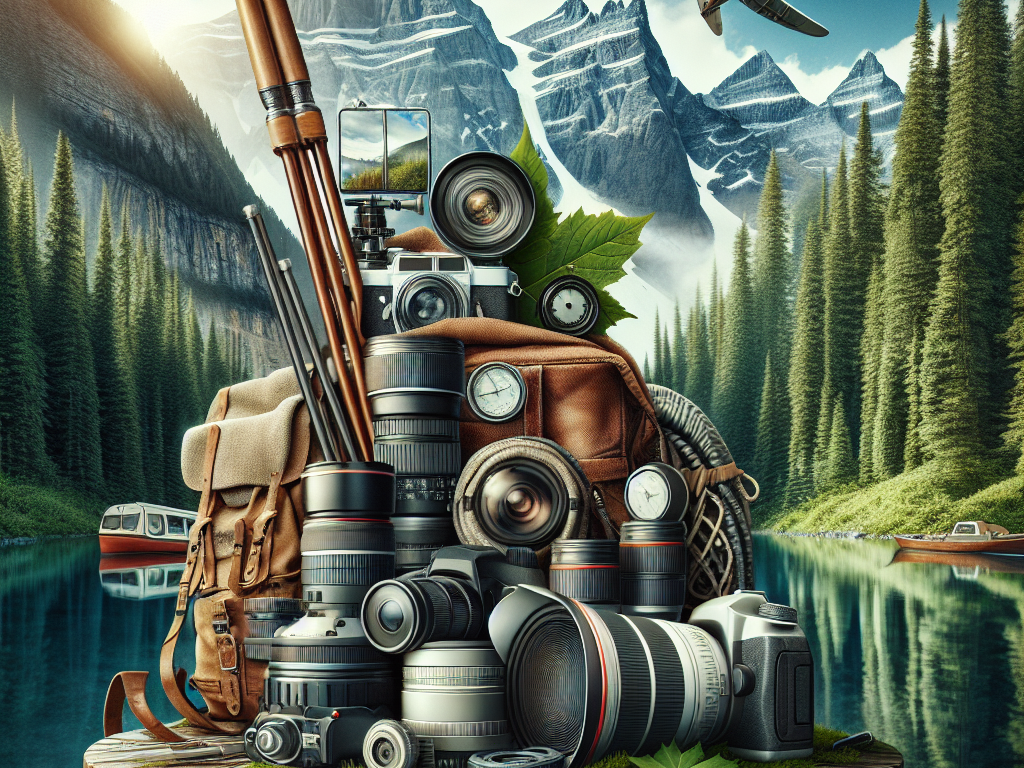
When you embark on the exciting journey of wildlife photography, the first step is to equip yourself with the right gear. High-quality equipment is crucial to capture the true essence of nature. Now, you may be wondering – what are the must-have tools for a wildlife photographer?
The backbone of your photography gear is undoubtedly a sturdy camera. DSLRs or Mirrorless Cameras, with their interchangeable lenses and high-speed shooting abilities, are ideal for wildlife photography. They help capture animals in action with remarkable clarity and detail.
A variety of lenses also plays a key role in your wildlife photography journey. A telephoto lens is a must-have, offering the ability to capture images from a distance, ensuring you maintain a safe and respectful distance from the animals. A wide-angle lens, on the other hand, is perfect for capturing habitat shots or landscape images.
Remember, tripods and camera bags are equally important to stabilize your shots and protect your equipment. Spare batteries, memory cards, and cleaning kits are also essential to ensure uninterrupted and hassle-free shooting.
Finally, don’t forget the non-photography essentials like suitable clothing, food, and water. After all, comfort and safety are as crucial as the perfect shot. Equip yourself wisely, and you’ll be well on your way to capturing nature’s splendor in its raw beauty.
Exploring Different Techniques in Wildlife Photography
Wildlife photography demands a blend of creativity, technique, and, importantly, patience. Experimenting with different methods can significantly enhance the vibrancy and depth of your shots. For instance, using a fast shutter speed is crucial to freeze the motion of a moving animal, capturing their most candid moments crisply and clearly.
On the other hand, a slower shutter speed creates an interesting blurred effect, ideal for photographing animals in action, or movement in the environment like flowing water. Practicing both can lead to a diverse portfolio of wildlife imagery.
Utilizing a variety of shooting angles is another effective technique. An eye-level shot can create a compelling, intimate portrait, while a lower-angle shot aptly presents the grandeur of bigger animals. Being open to different perspectives will enrich your photographic storytelling.
Lastly, don’t underestimate the power of lighting. Natural light at sunrise or sunset offers softer hues and longer shadows, enhancing the dramatic tone of your images. Realizing the impact of these techniques can elevate your wildlife photography from simple snapshots to fascinating depictions of nature’s raw beauty.
Preserving the Moment: The Role of Wildlife Photography in Conservation
Wildlife photography plays a pivotal role in conservation efforts worldwide. By capturing the raw, unfiltered beauty of nature, photographers can raise awareness about the importance of preserving our environment. These stunning photos act as a visual reminder of what we stand to lose if we do not take action to protect our planet.
Not only does wildlife photography provide us with breathtaking images to enjoy, it also serves a vital educational function. Photographers venture into habitats that most people will never see in person. Their images provide us with insights into the lives of various animal species, their behavioral patterns, and the challenges they face in the wild. As such, the photographs can stimulate discussions and actions towards preserving these habitats.
Moreover, wildlife photography bolsters scientific research. Documenting animal behavior, migration patterns, and population trends through photographs provides invaluable data to researchers. It assists them in understanding and monitoring biodiversity, which ultimately helps to develop effective conservation strategies.
Wildlife photographers often endure extreme conditions, risking their lives to showcase the captivating beauty of the animal kingdom. Each image they capture is a testament to their devotion to conservation. Their work inspires us all to appreciate and protect the natural world, one snapshot at a time.
Frequently Asked Question
What Equipment is Essential for Wildlife Photography?
When starting your journey in wildlife photography, it’s important to have the right equipment. This includes a good DSLR or mirrorless camera with a high-speed autofocus and burst mode for continuous shooting. Telephoto lenses are also crucial to get close-up shots of animals without disturbing them. Additionally, a sturdy tripod and camera bag for protecting your equipment during outdoor shoots are essential.
How to Approach Animals without Disturbing them?
In wildlife photography, respecting the animals is paramount. It’s crucial to approach them slowly and quietly, maintaining a safe distance to prevent distress or disturbance. Patience is essential in this field, as beautiful shots often come from natural behaviours that can’t be rushed or forced.
What is the Best Time for Wildlife Photography?
The ‘golden hours’–early morning and late afternoon–are usually the best times for wildlife photography. The lighting conditions during these times are ideal for capturing stunning shots. Moreover, many wildlife are more active during these hours, increasing your chances of capturing compelling images.
How Essential is Understanding Animal Behavior in Wildlife Photography?
Understanding animal behaviour plays a critical role in wildlife photography. It helps predict the animal’s actions, allowing you to position yourself correctly and capture the perfect shot. Furthermore, knowing about the species you’re photographing can help ensure your safety and the animal’s welfare.
How to Improve Wildlife Photography Skills?
Improving your wildlife photography skills involves a lot of practice in the field. Learning about animal behaviour, mastering your camera settings, and experimenting with different perspectives can significantly enhance your images. Additionally, joining wildlife photography workshops and seeking constructive criticism can provide valuable insights.
Can Wildlife Photography Contribute to Conservation?
Yes, wildlife photography can significantly contribute to conservation. By capturing and sharing the raw beauty of nature, photographers can raise awareness about various environmental and conservation issues. This awareness can inspire people to take action, helping in the protection and preservation of wildlife.
How to Deal with Bad Weather Conditions in Wildlife Photography?
In wildlife photography, adapting to various weather conditions is a must. Bad weather can often result in dramatic and unique photos. Carry weather-protective gear for your equipment and understand how different weather conditions can affect your images. With practice, you can turn these challenges into opportunities for stunning shots.
Conclusion
In conclusion, wildlife photography is a remarkable medium that allows us to freeze the raw beauty of nature in time. It requires technical skills, patience, respect for nature, and a keen eye for detail. The captivating images produced not only provide us with visual pleasure but also foster a deeper appreciation for the biodiversity of our planet. Through the lens of wildlife photography, we can become more attuned to the natural world and the need to protect and preserve it. Whether as a hobby or a profession, wildlife photography is a journey of discovery that holds endless possibilities for both personal growth and artistic expression.