




BASIC REQUIREMENTS OF A BUILDING
The planning and construction of a building should be aimed at fulfilling the following requirements: 1. Strength and stability 2. Dimensional stability 3. Resistance to dampness 4. Resistance to fire…


Building Planning
ELEMENTS OF A BUILDING The following are the basic elements of a building: 1. Foundation 2. Plinth 3. Walls and columns 4. Sills, lintels and chejjas 5. Doors and windows 6.…
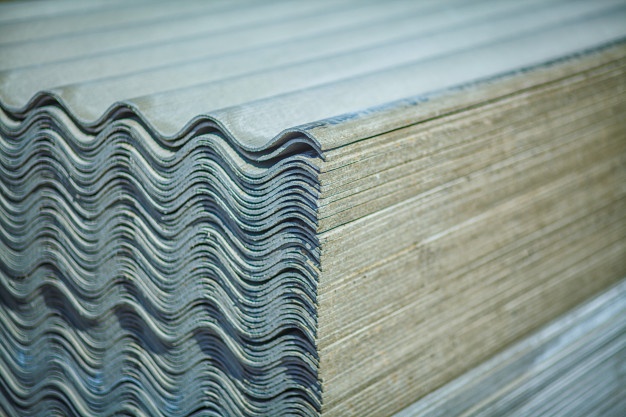
ASBESTOS
Asbestos is a general name for several varieties of fibrous minerals which are available in nature. But presently, most of the commercial asbestos produced is ‘chriotile’ . Properties of Asbestos…

BITUMEN
Ashalt, bitumen and tar are referred as bituminous materials, which are essentially hydrocarbon materials.The asphalt is a mixture of inert mineral matter lime alumina, lime, silica etc. and a hydrocarbon known as…

Uses of Plastics
There are variety of plastics made to suit different uses. The typical uses of plastics in buildings is listed below: 1. Corrugated and plain sheets for roofing. 2. For making jointless flooring. 3. Flooring…
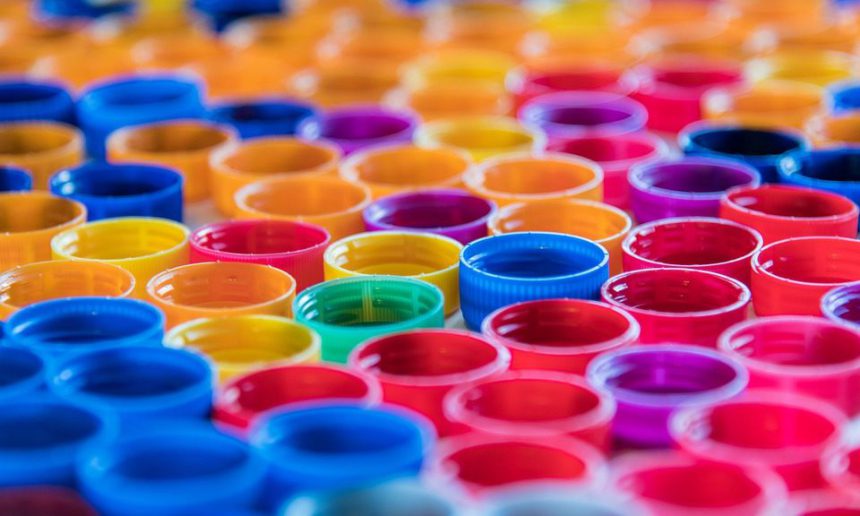
PLASTICS
Plastic is an organic material prepared out of resin. It may or may not contain fillers, plasticisers and solvents. Plastic may be defined as a natural or synthetic organic material…

Types of Glass
The glass may be broadly classified as: 1. Soda-lime glass 2. Potash lime glass 3. Potash lead glass 4. Common glass and 5. Special glasses. 1. Soda Lime Glass: It…
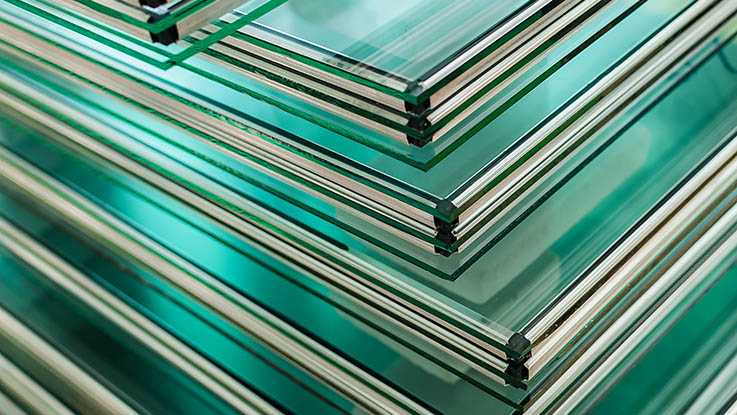
GLASS
Silica is the main constituent of glass. But it is to be added with sodium potassium carbonate to bring down melting point. To make it durable lime or lead oxide…
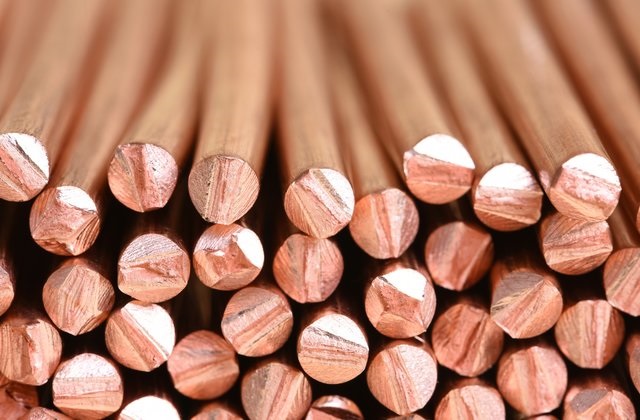
COPPER
It is a naturally available metal in the form of ores which contain small amount of iron and sulphur. After removing impurities, it is processed electrolytically to get purest metal. This metal…
FERROUS METALS
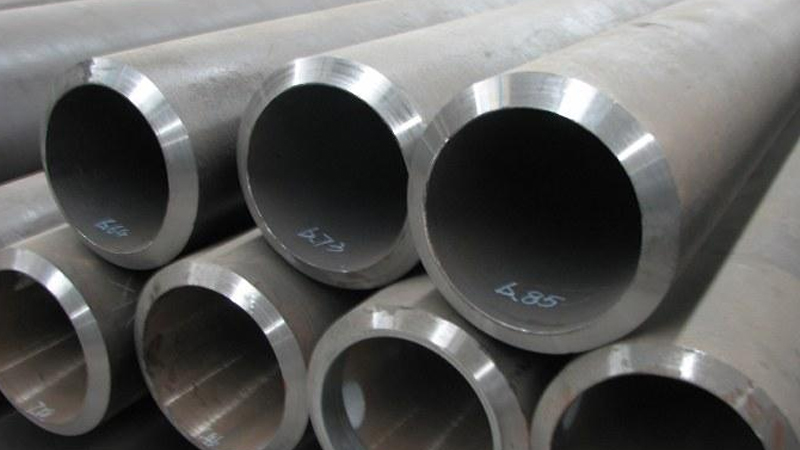
A ferrous material is the one in which iron is a main constituent. Iron ore is first converted into pig iron and then pig iron is subjected to various metallurgical…
