SenseCentral Digital Product Guide
Brochure Template Ideas
A complete, beginner-friendly guide for Canva creators, Etsy sellers, content creators, and small business owners who want to build polished templates that customers can actually use.
Overview: What Makes Brochure Template Ideas Worth Creating?
Brochure Template Ideas is a practical digital product category because it sits at the intersection of design, speed, and business need. Most customers buying Canva templates are not simply buying “pretty graphics.” They are buying time saved, confidence, consistency, and a shortcut to looking professional online. When a template helps a buyer publish faster, explain an offer more clearly, or present a better brand image, it becomes much easier to sell than a generic design file.
The best approach is to think like a product designer, not just a graphic designer. A strong brochure product should answer a real customer problem: “I need graphics for my launch,” “I need a clean template for my service menu,” “I need a branded set for my Instagram,” or “I need an easy instruction sheet to deliver a Canva link to buyers.” Once you understand the use case, your design decisions become clearer. You can choose the right size, copy layout, font pairing, image placeholders, export instructions, and bonus pages.
This guide is written for small businesses, creators, freelancers, and digital product sellers. It explains what to include, how to package the product, how to position it on Etsy or your own website, and how to use supportive tools to make the workflow smoother. You can use the ideas here to create a single listing, a bundle, a lead magnet, a client deliverable, or a larger digital product shop category.
Why This Template Type Sells
The reason brochure template ideas can sell well is simple: buyers want professional output without starting from a blank page. A blank Canva file can feel overwhelming. A template with sample text, spacing, visual hierarchy, and a clear editing path reduces friction. That is especially important for beginners, solopreneurs, creators, and local businesses who may not have a designer on retainer.
Another advantage is repeatability. Once you design a clean system, you can adapt it into multiple products: a starter version, a premium bundle, a seasonal edition, a niche-specific edition, and a matching add-on. For example, a social media template can become a carousel kit, story kit, reel cover set, launch bundle, content calendar, and brand kit. A business template can become a service menu, price list, flyer, brochure, welcome packet, and client onboarding bundle.
For Etsy sellers, clarity matters as much as design quality. The buyer should immediately know what is included, what can be edited, whether Canva Free is enough, what file sizes are provided, and how they receive the template link. If your listing images answer those questions visually, you reduce confusion and increase buyer trust. You also reduce support messages after purchase.
Profitable Brochure Template Ideas Ideas
Use the following ideas as a starting point. The goal is not to copy every trend but to build a focused product that solves a specific problem for a specific buyer.
- Create a starter pack focused on brochure with matching colors, fonts, and example copy so customers can publish quickly.
- Offer a premium version that includes multiple sizes, editable instructions, and bonus mockup graphics for small businesses.
- Build a mini bundle for launches, promotions, reminders, testimonials, FAQs, and educational content around brochure.
- Add buyer-friendly notes explaining what is editable, what software is required, and how the final result can be exported.
- Create a matching upsell such as thank-you cards, listing images, headers, price menus, or content calendars so your shop feels organized.
- Use clean naming, consistent folders, and preview images that show the customer exactly how the brochure template can be used.
Design angles that make the product feel premium
Premium template products usually have three things in common: visual consistency, practical instructions, and strong presentation. Visual consistency means the colors, headings, spacing, icons, backgrounds, and image placeholders look like one system instead of random pages. Practical instructions mean the buyer understands how to click the Canva link, duplicate the template, edit text, replace images, and export the final file. Strong presentation means your mockups and listing images show the product in context.
For brochure, consider creating theme variations such as minimalist, luxury, modern neutral, bold colorful, feminine, editorial, corporate, playful, seasonal, and wellness-inspired. You can also create buyer-based variations such as beginner kit, launch kit, content creator kit, small business kit, coach kit, real estate kit, beauty business kit, and local service kit. Each variation should have a different promise rather than just different colors.
What to include in the bundle
A useful bundle can include editable Canva templates, a PDF instruction guide, size details, a quick-start checklist, font and color notes, mockup previews, suggested use cases, and a simple license explanation. If the product is for marketing, include examples of headlines, call-to-action text, testimonial layouts, offer sections, comparison blocks, and FAQ slides. If the product is for branding, include logo placeholders, typography examples, color palette blocks, image direction, and social profile previews.
Comparison Table: Which Product Format Should You Create?
| Product Format | What It Includes | Best For | Why It Works |
|---|---|---|---|
| Beginner bundle | 5–10 coordinated templates | New shops and fast MVP testing | Easy to create, low risk, good for validating demand |
| Niche business kit | Brand colors, captions, instructions, mockups | Service providers and small businesses | Higher perceived value because it solves a specific workflow |
| Premium editable system | 20–60 layouts, multiple sizes, usage guide | Agencies, creators, and recurring content teams | Best for higher pricing and repeat customers |
| Seasonal or campaign set | Launch graphics, sale banners, checklists | Promotions, holidays, events, and product drops | Great for urgency, bundles, and themed collections |
For beginners, the safest path is usually a focused starter bundle. It is easier to finish, easier to test, and easier to improve after buyer feedback. Once the idea gets views, favorites, or sales, upgrade it into a larger product. For experienced sellers, premium bundles can work well because they raise average order value and make your shop look more complete.
How to Create and Package the Template
Step 1: Research the buyer and the use case
Start by writing down who the buyer is and what they want to achieve. A template for a restaurant owner is different from a template for a YouTuber, a therapist, a yoga teacher, or an Etsy seller. The buyer’s daily workflow should shape your pages. Ask what they publish, how often they publish, where they publish, and what information they need to present clearly.
Step 2: Build a repeatable design system
Choose two or three fonts, a small color palette, consistent margins, and reusable section styles. Avoid adding too many decorative elements. Buyers prefer templates that are easy to edit. Use placeholders for images and short sample copy that demonstrates the layout. Each page should feel complete but not crowded. If the buyer has to delete too many items before using the design, the product feels less convenient.
Step 3: Make the template easy to customize
Group elements carefully, name pages clearly, and keep text layers editable. Use free elements where possible or clearly explain any premium elements. Include a “Start Here” page in your PDF with the Canva template link and simple instructions. Canva template links are useful because buyers can open the design as their own editable copy rather than editing your original file.
Step 4: Create polished preview images
Your preview images are often more important than the product file itself because they make the first sale possible. Show the template on a mockup, list what is included, display the sizes, highlight editable sections, show a close-up of the design, and include a simple “how it works” graphic. For brochure, your preview images should prove that the buyer can use the template quickly.
Step 5: Package customer files professionally
Most Canva template sellers deliver a PDF file containing the access link, instructions, support information, and usage terms. Make this file attractive and clear. Include a troubleshooting section explaining that the buyer should be logged in to Canva, should click the template link, and should save a copy before editing. A good instruction PDF reduces refund requests and support messages.
Pricing, Etsy Listing, and SEO Tips
Pricing should reflect the usefulness of the product, not just the number of pages. A 10-page template that solves an urgent business problem can be more valuable than a 60-page bundle with repetitive layouts. When deciding price, compare the effort saved, the niche, the number of layouts, whether mockups are included, and how much instruction you provide. Offer a launch discount if you want early traction, but avoid training buyers to expect everything at the lowest possible price.
For Etsy SEO, place the main phrase naturally in the title, first lines of the description, tags, and image text where appropriate. Use buyer language, not only designer language. A buyer may search “salon price list Canva template,” “Instagram carousel template,” “real estate social media Canva,” or “Etsy thank you card template.” Your listing should use phrases that match purchase intent.
In the description, include a quick benefits section, what is included, size details, Canva access notes, how the buyer receives the file, what is editable, what is not included, license terms, and FAQs. Mention that it is a digital product and no physical item will be shipped. This protects the buyer experience and reduces misunderstandings.
Suggested Etsy Tags for This Post
Brochure Template Ideas, Canva templates, Etsy digital products, Canva template ideas, digital downloads, template business, editable templates, Canva for beginners, sell templates online
Useful Resources for Digital Product Sellers
Explore Our Powerful Digital Products Bundle
Browse these high-value bundles for website creators, developers, designers, startups, content creators, and digital product sellers. These resources can help you speed up product creation, improve presentation, and build stronger digital offers.
Free Productivity Tools: Zee Sharp
Zee Sharp is a growing suite of free online tools for productivity, development, and creativity. No sign-up. No watermarks. Just tools. It is useful when you need quick converters, calculators, PDF tools, text utilities, and creator-friendly helpers.
Creator Monetization Resource: Teachable
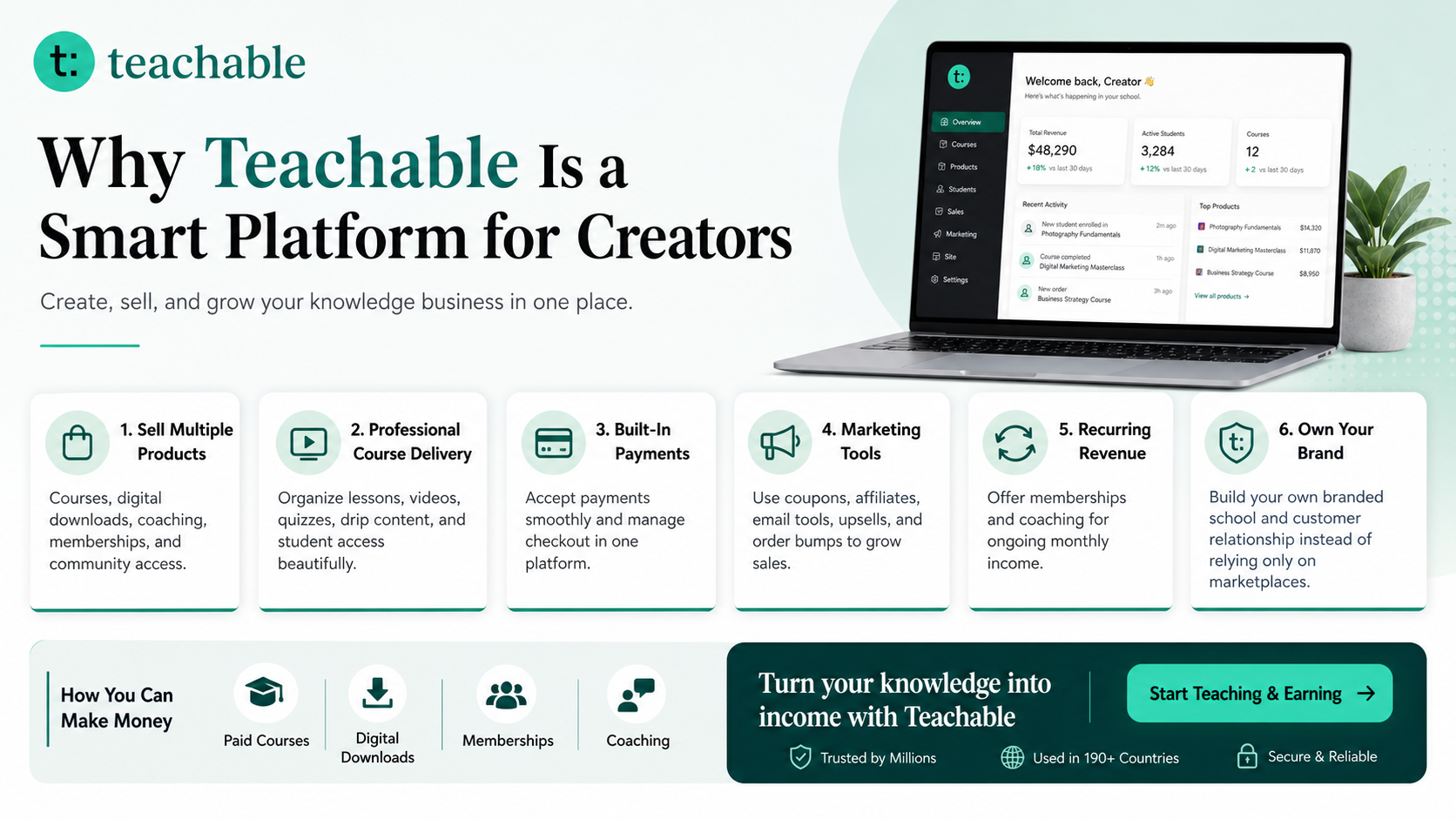
Teachable is an online platform that lets creators build, market, and sell courses, digital downloads, coaching, and memberships. It helps educators and entrepreneurs turn their knowledge into a branded digital business without needing complex coding.
Learn more: How to Make Money with Teachable: A Complete Creator’s Guide
Further Reading on SenseCentral
FAQs About Brochure Template Ideas
Are brochure template ideas profitable on Etsy?
They can be profitable when the template solves a clear problem, targets a defined buyer, and includes good preview images, instructions, and search-friendly listing text. Profit is not automatic; the strongest products combine attractive design with a practical use case.
Do buyers need Canva Pro to use these templates?
Many sellers design templates with free Canva elements whenever possible and clearly mention whether any Pro elements are included. If a design uses Pro assets, explain that buyers may need Canva Pro or must replace those elements.
How many templates should be included in one product?
A small starter product can include 5 to 10 layouts, while a premium bundle can include 20, 40, or more coordinated pages. The right number depends on the niche, the buyer’s workflow, and how much instruction or customization support you provide.
What should I include in the customer download file?
Include a PDF with the Canva template link, access instructions, usage notes, license terms, troubleshooting tips, and contact details. For Etsy, explain that the buyer receives a digital file and not a physical product.
How can I make my template listing stand out?
Use strong mockups, show before-and-after examples, list the exact file sizes, add a clear benefits section, include FAQs in the description, and create preview images that answer buyer objections before purchase.
Key Takeaways
- Brochure Template Ideas works best when it solves a specific buyer problem instead of offering generic decoration.
- Use Canva template links, a clear PDF instruction file, and strong preview images to improve the customer experience.
- Start with a focused bundle, validate demand, then expand into premium kits, niche editions, and matching add-ons.
- Good Etsy listings explain what is included, what is editable, whether Canva Pro is required, and how the buyer receives the digital product.
- Promote related resources, tools, and learning products to turn a single template into a broader creator business.