There are eight essential elements of a brand as given below −
● Brand Name − This is what the people get to see everywhere. It must be as simple and memorable as possible, meaningful, easy to pronounce, and unique.
● Logo − This can be anything from a piece of text to the abstract designs. It may be entirely unrelated to the corporate activities. It must be relevant to the product or service, iconic, and attractive.
● Tone − This is how the seller communicates with the consumer. It can be professional, friendly, or formal. It builds consumer’s perception about the brand.
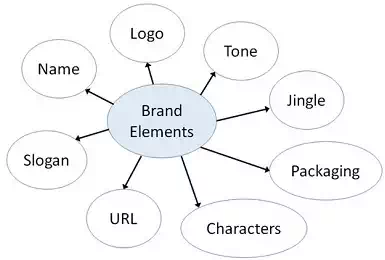
● Jingle − It must be pleasant to hear and hum, relevant to the product, easy to remember, and easy to understand over a large age group to connect consumer with the brand.
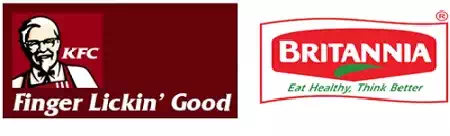
● Slogan − It summarizes overall value proposition. It should be short, easy to remember, and catchy. For example, KFC’s slogan is “Finger Lickin’ Good” and Britannia’s is “Eat Healthy, Think Better”.
● Packaging − It needs to be catchy and advertising, drawing people to see the product inside. Also, it needs to be compact, yet attractive.
● Universal Resource Locator (URL) − It forms the domain name on the internet. A seller can register all prospective variations of brand name URLs or can buy the existing URL of a business.
● Characters/Mascots − It is a special symbol, either still, animated, or real life entity such as an animal or a human character. For example, Vodafone’s Zoozoo characters are played in its various advertisements by humans wearing special white body suits.