Skip to content
Mon, Oct 12, 2026 / Ideas for a clearer worldINDEPENDENT INSIGHTS · PRACTICAL TOOLS · EXPLAINERS
Sign in
Principle of Management / August 19, 2021

Functional Organization Structure

The  functional  structure is  the  most  common  model  found  in  most  organizations. Organizations with such a structure are divided into smaller groups based on specialized functional areas, such as operations, finance, marketing, Human Resources, IT, etc. EO The organization’s top management team consists of several functional heads (such as the VP Operations, VP Sales/Marketing). Communication generally occurs within each functional department and is communicated across departments through the department heads. This structure provides greater operational efficiency as employees are functionally grouped based on expertise and shared functions performed. It allows increased specialization as each group of specialists can operate independently. In spite of the above benefits there are some issues that arise with this structure. When different functional areas turn into silos they focus only on their area of responsibility and do not support other functional departments. Also expertise is limited to a single functional area allowing limited scope for learning and growth.
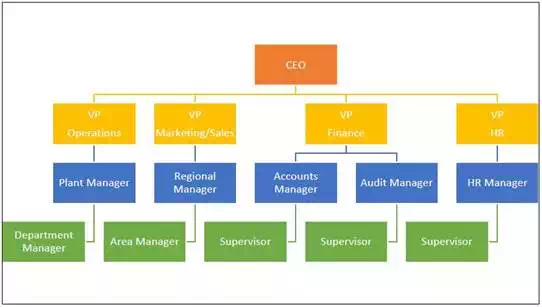
The  functional  structure is  the  most  common  model  found  in  most  organizations. Organizations with such a structure are divided into smaller groups based on specialized functional areas, such as operations, finance, marketing, Human Resources, IT, etc.

EO

The organization’s top management team consists of several functional heads (such as the VP Operations, VP Sales/Marketing). Communication generally occurs within each functional department and is communicated across departments through the department heads.

This structure provides greater operational efficiency as employees are functionally grouped based on expertise and shared functions performed. It allows increased specialization as each group of specialists can operate independently.

In spite of the above benefits there are some issues that arise with this structure. When different functional areas turn into silos they focus only on their area of responsibility and do not support other functional departments. Also expertise is limited to a single functional area allowing limited scope for learning and growth.