How to Build a Budget Around Debt Freedom
Affiliate disclosure: This article may contain affiliate links. If you click through and make a purchase, Sensecentral may earn a commission at no extra cost to you. We only include resources that may be useful for readers who want to improve budgeting, digital business, planning, productivity, or financial organization.
Creating a budget is easy when life is predictable, but most real households are not predictable. Bills arrive on different dates, groceries change every week, family needs appear suddenly, and small digital payments can quietly drain money before anyone notices. This guide on How to Build a Budget Around Debt Freedom is designed for readers who want a practical budget that reflects real life instead of a perfect spreadsheet that only looks good on the first day of the month.
The goal is not to make you feel restricted. A useful budget gives your money a clear job before stress takes over. It helps you protect essentials, prepare for predictable surprises, reduce unnecessary spending, and make confident decisions. For Sensecentral readers who compare tools, planners, templates, digital products, and money-management resources, this article also shows how to choose simple systems that match your lifestyle.
In this post, we will focus on debt freedom: minimum payments, extra payoff money, interest rates, balances, and spending cuts. The method is built around freeing future income from old commitments. You can use it with a notebook, spreadsheet, budgeting app, calendar, digital wallet history, or a printable planner. What matters most is consistency, honesty, and a review routine that is simple enough to repeat.
Key Takeaways
- A good budget should be based on real spending patterns, not wishful thinking.
- The best system is simple enough to review weekly and flexible enough for unusual months.
- Always protect essentials, savings, debt payments, and important family needs before wants.
- Use categories only when they help decisions. Too many categories can make budgeting harder.
- Include yearly, quarterly, digital, family, and surprise expenses so they do not break your plan.
Why This Budgeting Method Works
A debt-focused budget works best when minimum payments are treated as must-pay bills and extra payments are planned before lifestyle upgrades.
Many people fail at budgeting because they start with a fantasy version of their month. They write down what they hope to spend, not what they usually spend. Then the first grocery bill, school expense, transport cost, medical purchase, subscription renewal, or family request makes the whole plan feel useless. A better method starts with observation, then prioritization, then adjustment.
For debt freedom, the most important idea is to separate fixed obligations from flexible choices. Fixed obligations include rent, loan payments, essential utilities, insurance, school commitments, medical needs, and basic transport. Flexible choices include dining out, entertainment, upgrades, extra shopping, convenience purchases, and optional subscriptions. The budget becomes easier when you stop treating all spending with equal importance.
Another reason this method works is that it uses a review system. A budget created once and ignored for thirty days is only a prediction. A budget reviewed every week becomes a steering wheel. You can slow down spending, move money between categories, delay nonessential purchases, or prepare for upcoming bills before the situation becomes stressful.
Who This Guide Is Best For
This guide is useful for beginners, families, students, young professionals, freelancers, single-income households, couples, and anyone who feels that money disappears too quickly. It is also helpful for readers who use multiple payment methods such as cash, debit cards, credit cards, UPI, digital wallets, bank transfers, and subscriptions. When payments are spread across different channels, a simple budgeting process becomes even more important.
Step-by-Step Budgeting Plan
Step 1: Collect Your Real Numbers
Start by collecting information from the last 30 days. Use bank statements, wallet history, card transactions, UPI records, bills, receipts, notebooks, and memory notes. Do not worry about perfection at this stage. Your goal is to understand where money actually went. Mark every expense as essential, important, flexible, avoidable, or unexpected. This gives you a clear picture without creating too many categories.
Step 2: Identify Must-Pay Expenses First
Before planning lifestyle spending, write down the payments that must happen. These may include rent, electricity, water, internet, phone, groceries, transport, school fees, debt minimums, insurance, medicines, and family responsibilities. This protects your household from late fees, stress, and last-minute borrowing. A “must pay first” approach works especially well when income is limited or irregular.
Step 3: Build a Safety Margin
Every budget needs a small safety margin. This is not the same as an emergency fund. A safety margin is monthly breathing room for small surprises: a higher grocery bill, extra fuel, a school item, a medicine purchase, a small repair, or an unexpected guest. Without a safety margin, even a tiny unplanned expense can make the budget feel like a failure.
Step 4: Choose Simple Categories
Use categories that help you make decisions. A useful beginner structure is: essentials, food and transport, debt and savings, family or household needs, and personal spending. If you need more detail, add subcategories later. Starting simple helps you build consistency. The aim is not to track every rupee or dollar forever; the aim is to build awareness and control.
Step 5: Assign Money Based on Priorities
Once your categories are clear, assign money in priority order. Cover essentials first, then debt minimums, then savings, then predictable irregular expenses, then flexible spending. If your income cannot cover everything, reduce flexible spending before reducing essential categories. If you still cannot cover the basics, the budget is showing a real income gap, not a personal failure. That is useful information because it tells you the problem is structural.
Step 6: Review Weekly and Reset Monthly
A weekly review keeps the budget alive. Choose one day each week to compare planned spending with actual spending. Move money between categories if needed, but do it intentionally. At the end of the month, write down three lessons: what worked, what surprised you, and what must change next month. This turns budgeting into a learning system instead of a punishment system.
Useful Budget Tables and Examples
Priority-Based Budget Table
| Priority Level | Budget Area | Examples | Action |
|---|---|---|---|
| 1 | Must Pay | Rent, utilities, groceries, transport, medicines | Fund before anything else |
| 2 | Protection | Emergency savings, insurance, debt minimums | Automate or schedule early |
| 3 | Important Needs | Family support, school costs, work tools | Set limits and review weekly |
| 4 | Flexible Wants | Eating out, entertainment, shopping, upgrades | Reduce first when money is tight |
Simple Five-Category Budget Example
| Category | What It Includes | Review Question |
|---|---|---|
| Essentials | Housing, bills, basic groceries, transport | Are the basics safe? |
| Debt and Savings | Debt payments, emergency fund, future goals | Did I pay my future first? |
| Family and Household | Children, parents, repairs, shared needs | Did I plan support instead of reacting? |
| Personal Spending | Clothes, hobbies, snacks, small wants | Is this amount guilt-free and controlled? |
| Buffer | Small surprises and price changes | Did the buffer protect the month? |
Mini Worksheet
Use this mini worksheet before the month begins:
- Expected income this month: ________
- Must-pay bills and due dates: ________
- Groceries and transport estimate: ________
- Debt or savings priority: ________
- Family or community responsibilities: ________
- Safety margin: ________
- Personal spending limit: ________
Common Mistakes to Avoid
| Mistake | Why It Hurts | Better Approach |
|---|---|---|
| Using guessed numbers | The budget fails quickly because it is not based on real behavior. | Use the last 30 days as your starting point. |
| Ignoring small payments | Small payments can add up to a major monthly leak. | Create a weekly small-spending review. |
| No buffer | One surprise expense can create panic or debt. | Add a small safety margin every month. |
| Too many categories | Tracking becomes tiring and easy to abandon. | Start with five broad categories. |
| No review day | Problems stay hidden until the end of the month. | Review every week and reset monthly. |
Recommended Tools, Templates, and Digital Resources
Budgeting becomes easier when your tools reduce friction. You can use a notebook, spreadsheet, printable planner, finance app, or digital dashboard. The right tool should help you see income, bills, due dates, savings goals, debt payments, spending limits, and review dates in one place. Avoid tools that look beautiful but take too much time to maintain.
Explore Our Powerful Digital Products
Browse these high-value bundles for website creators, developers, designers, startups, content creators, and digital product sellers. These resources can help you save time, organize digital work, and build better online projects.
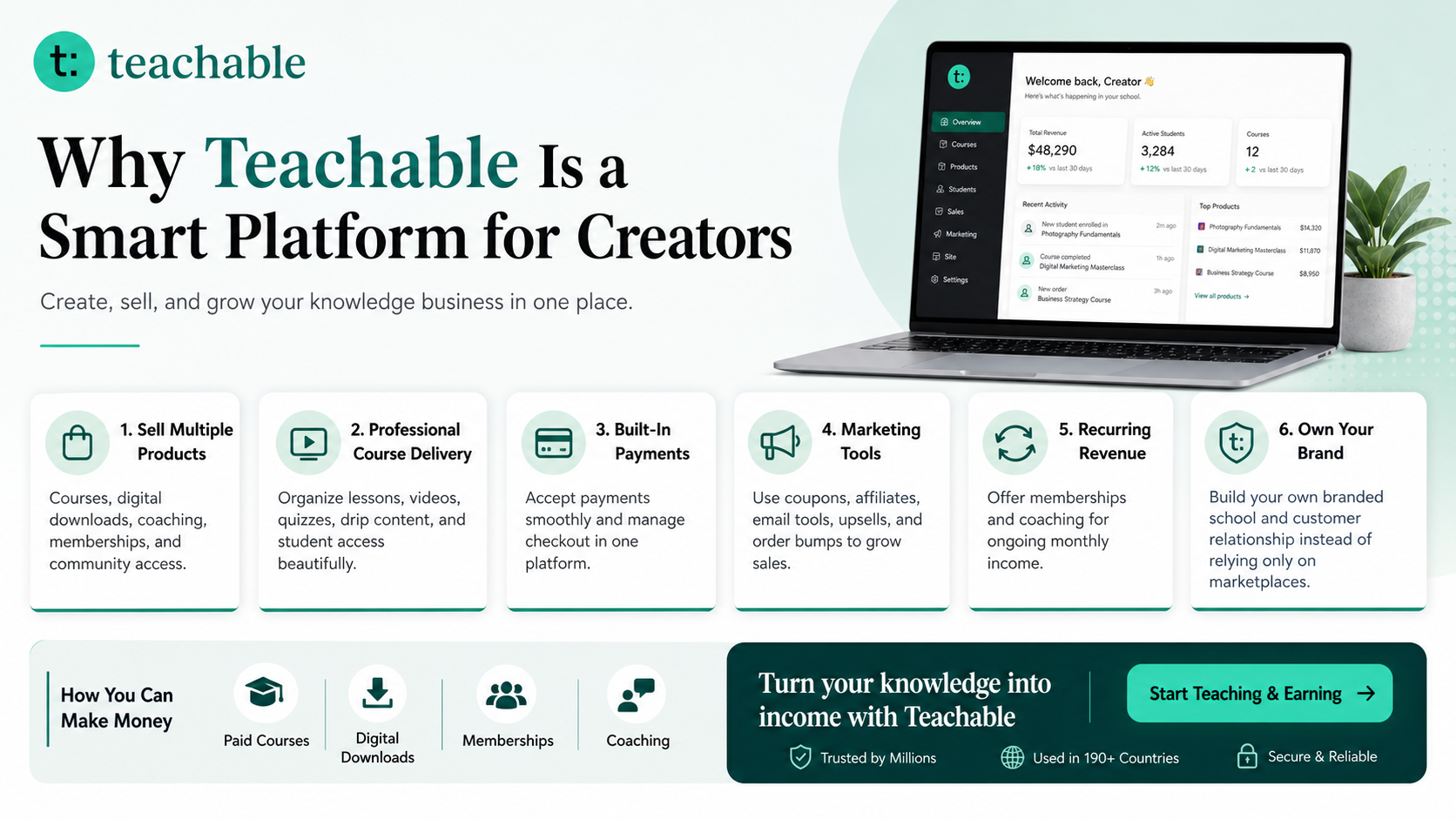
Creator Resource: Build and Sell Digital Products with Teachable
Teachable is an online platform that lets creators build, market, and sell courses, digital downloads, coaching, and memberships. It helps educators and entrepreneurs turn their knowledge into a branded digital business without needing complex coding.
Learn more: How to Make Money with Teachable: A Complete Creator’s Guide
Internal Links and Further Reading from Sensecentral
- Visit Sensecentral for product reviews, comparisons, and practical buying guides
- Explore more budgeting and money management articles on Sensecentral
- Read more personal finance resources on Sensecentral
- Discover digital product and creator business resources
- How to Make Money with Teachable: A Complete Creator’s Guide
Frequently Asked Questions
What is the easiest way to start this budget?
Start with the last 30 days of spending. Write down income, must-pay bills, groceries, transport, savings, debt, family needs, and personal spending. Then create limits based on what actually happened, not what you wish had happened.
How often should I update my budget?
A weekly review is enough for most people. If money is very tight, review every three days until the month feels stable. The goal is to catch problems early, not to obsess over every transaction.
What if my income changes every month?
Build the budget around your lowest realistic income first. Cover essentials, debt minimums, and basic savings before adding flexible spending. When extra income arrives, assign it to emergency savings, debt payoff, yearly bills, or important goals before increasing lifestyle spending.
Should I use cash, card, UPI, or a budgeting app?
Use the payment method you can track consistently. Digital payments are convenient but easy to forget. Cash is visible but can disappear without notes. The best system is the one you review weekly.
How do I stay motivated?
Track small wins. A lower grocery bill, one avoided impulse purchase, one paid bill before the due date, or one week without confusion is progress. Budgeting confidence grows through repeated small successes.
Final Thoughts
How to Build a Budget Around Debt Freedom is not about becoming perfect with money. It is about making money easier to understand and easier to direct. Start with real numbers, protect what matters most, simplify categories, include a safety margin, and review your plan weekly. Over time, the budget becomes less of a restriction and more of a personal operating system for calm, confident financial decisions.
When your budget supports your real life, it becomes easier to say no to spending that does not matter and yes to the future you want to build. The system may begin with one month, but the habit can improve your finances for years.