- Table of Contents
- Key Takeaways
- Start Here: What You’re Really Buying
- Hosting Types (Plain English)
- The Non-Technical Hosting Checklist (20 Questions)
- 1) Performance & Speed
- 2) Reliability & “What Happens When Things Break”
- 3) Backups & Restore (Non-Negotiable)
- 4) Security (Not Just SSL)
- 5) Support (The Make-or-Break Factor)
- 6) Ease of Use (Staging, Migration, and Daily Admin)
- Shortcut if you’re on WordPress
- The 10-Minute Hosting Scorecard (Printable Table)
- Pricing Traps to Watch For
- When Managed WordPress Hosting Wins
- Where Kinsta Fits (In Simple Terms)
- If you want to compare Kinsta quickly
- Quick comparison: “Typical Shared Host” vs “Managed WordPress Host”
- Migration & Launch Plan (Low-Stress)
- Step 1: Reduce risk before you move
- Step 2: Migrate to staging first (if possible)
- Step 3: Plan DNS cutover
- Step 4: After you go live
- Ready to evaluate a premium managed WordPress host?
- FAQs
- 1) What’s the #1 mistake non-technical site owners make when choosing hosting?
- 2) Do I need “managed WordPress hosting” for a small blog?
- 3) Is it okay if my host doesn’t include email?
- 4) What should I prioritize if I run WooCommerce?
- 5) How do I know if a host will handle traffic spikes?
- 6) What’s a simple “good enough” minimum hosting checklist?
- 7) Does Kinsta include backups and staging?
- 8) Does Kinsta include email inbox hosting?
- References & Further Reading
Affiliate disclosure: This post contains affiliate links. If you purchase through these links, SenseCentral may earn a commission at no extra cost to you. Read our full disclosure here: Affiliate Disclosure.
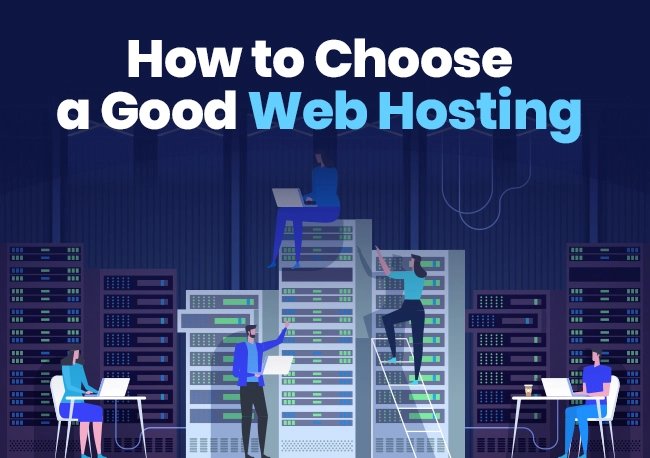
Choosing hosting can feel like buying a car when you don’t care about engines—you just want it to start every day, run fast, and not break when you have passengers. Hosting is the same: you want your site to load quickly, stay online, remain secure, and scale when traffic spikes—without you becoming a sysadmin.
This guide is built for non-technical site owners. You’ll get a simple, practical checklist, the questions to ask any host, and a “scorecard” you can use to compare providers in minutes. I’ll also show where managed WordPress hosting (like Kinsta) can make sense when you want premium performance and support without the DIY burden.
Quick Action: Want “premium managed WordPress” without the tech headaches?
Managed hosting is designed to reduce maintenance, improve performance, and simplify scaling. If WordPress is your platform and you value speed + support, Kinsta is a strong option to consider.
Tip: If you’re unsure, read the checklist first—then come back and compare using the scorecard.
Table of Contents
- Key Takeaways
- Start Here: What You’re Really Buying
- Hosting Types (Plain English)
- The Non-Technical Hosting Checklist (20 Questions)
- The 10-Minute Hosting Scorecard (Printable Table)
- Pricing Traps to Watch For
- When Managed WordPress Hosting Wins
- Where Kinsta Fits (In Simple Terms)
- Migration & Launch Plan (Low-Stress)
- FAQs
- References & Further Reading
Key Takeaways
Ask for proof: backups, restores, staging, and support response times.
Plan for growth: easy upgrades + clear overage policy beats “unlimited.”
Security is a package: WAF, malware cleanup, SSL, monitoring, updates.
WordPress owners: managed hosting often reduces stress significantly.
Start Here: What You’re Really Buying
Hosting is not just “space on the internet.” It’s a bundle of services that determines how reliably your site runs:
- Performance (how fast pages load, especially under traffic)
- Reliability (uptime and stability)
- Security (protection, monitoring, cleanup)
- Support (how quickly an expert can help when something breaks)
- Convenience (backups, updates, staging, one-click tools)
- Scalability (can you handle spikes without outages?)
Non-technical rule: choose hosting the same way you choose insurance—based on how it behaves when things go wrong.
Hosting Types (Plain English)
Most hosting choices fall into four buckets. Use this table to identify where you belong.
| Hosting Type | Best For | What You’ll Like | Common Frustrations |
|---|---|---|---|
| Shared Hosting | Small sites with low traffic and basic needs | Lowest price, simple setup | Speed varies, “noisy neighbors,” limited support, scaling pain |
| Managed WordPress Hosting | Serious WordPress sites, eCommerce, agencies, growing blogs | Performance tuning, backups, staging, security, WP expert support | Costs more; usually not “everything included” (email often separate) |
| VPS / Cloud Server (DIY) | Teams with technical skills or a sysadmin | Control and flexibility | You manage security, updates, tuning, outages, backups |
| Enterprise / Custom | Very large sites with compliance + dedicated engineering | Tailored architecture and SLAs | Complexity, higher cost, longer onboarding |
If you want to stay non-technical, your best “low-stress” paths are usually high-quality shared (for small sites) or managed WordPress hosting (for business-critical sites).
The Non-Technical Hosting Checklist (20 Questions)
When you evaluate hosts, don’t ask “How many CPU cores?” Ask the questions below. A great host will answer clearly and confidently.
1) Performance & Speed
- What caching is included by default? (Page cache, object cache, edge cache—ask what’s on automatically vs “you configure it.”)
- Do you include a CDN? If yes, how much bandwidth is included and how is it enabled?
- How do you handle traffic spikes? Do you throttle, temporarily block, or auto-scale?
- Is your stack optimized for WordPress? Managed WordPress hosts should say yes and explain how.
2) Reliability & “What Happens When Things Break”
- What’s your uptime policy? (Look for transparency: status pages, incident history, real monitoring.)
- Do you have proactive monitoring? If something fails at 3 AM, will they notice or only you?
- How easy is it to roll back changes? This is where backups + restores matter more than anything else.
3) Backups & Restore (Non-Negotiable)
- Are backups automatic? Daily is a baseline; more frequent is better for stores and busy sites.
- How many backup restore points do you keep? Seven days? Fourteen? Thirty?
- Is restore one-click? If restore requires a support ticket, you’re slower during emergencies.
- Do you support staging backups separately? Staging is safer when it’s isolated and reversible.
4) Security (Not Just SSL)
- What security layers are included? Look for firewall/WAF, DDoS protection, malware scanning, and hardened environments.
- If my site gets hacked, what do you do? Some hosts help; some blame. Ask directly.
- Do you offer free malware cleanup? This can save real money and downtime.
- How do you handle updates and risky plugins? Good support can prevent “one plugin update broke everything.”
5) Support (The Make-or-Break Factor)
- Is support 24/7? And is it general support—or WordPress experts?
- What channels are available? Chat, ticket, phone—what’s the typical response time?
- Will support help with performance issues? Or will they say “it’s your theme/plugins” and stop there?
6) Ease of Use (Staging, Migration, and Daily Admin)
- Do you provide staging sites? Staging is how non-technical owners avoid breaking production.
- Is migration included? A quality migration team can prevent downtime and DNS confusion.
Shortcut if you’re on WordPress
If you want most of the checklist handled “as a service,” look at managed WordPress providers. Many include expert migrations, staging, backups, performance tooling, and security features that you’d otherwise assemble yourself.
The 10-Minute Hosting Scorecard (Printable Table)
Use this scorecard to compare 2–4 hosts quickly. Score each item from 0–2:
- 0 = missing / unclear
- 1 = included but limited
- 2 = strong, included, and easy to use
| Category | What “Good” Looks Like | Your Score (0–2) | Notes / Questions |
|---|---|---|---|
| Speed foundation | Built-in caching + optimized environment (especially for WordPress) | Ask: What caching is enabled by default? | |
| CDN included | CDN available, simple enablement, clear bandwidth policy | Ask: Is it included or add-on? | |
| Traffic spikes | Clear scaling story; no surprise shutdowns | Ask: What happens when I go viral? | |
| Automatic backups | Daily minimum; frequent options for mission-critical sites | Ask: How many restore points are kept? | |
| One-click restore | Restore without tickets; fast rollback to stable state | Ask: Can I restore staging separately? | |
| Security package | Firewall/WAF + DDoS + SSL + monitoring | Ask: What’s included by default? | |
| Hack response | Clear policy; cleanup support; not just “it’s your problem” | Ask: Do you help remove malware? | |
| Support quality | Fast response + real experts (not scripts) | Ask: Do you help with performance troubleshooting? | |
| Staging environment | Easy staging + push-to-live workflow | Ask: Is staging included on all plans? | |
| Migrations | Expert migration included + minimal downtime | Ask: How many migrations are included? | |
| Pricing clarity | Transparent renewal, overage, and upgrade policy | Ask: What triggers extra charges? |
Decision rule: If one host scores higher on backups, restores, security, and support, it is often the better long-term choice—even if the monthly price is higher.
Pricing Traps to Watch For
Most hosting regret comes from pricing surprises. Here are the non-technical “gotchas” to check before you buy:
- Intro pricing vs renewal pricing: Many hosts discount the first term, then jump at renewal.
- “Unlimited” that isn’t unlimited: If you read the fine print, there are CPU, inode, or “fair use” limits.
- Backups as an upsell: Some plans charge extra for the backups you assumed were standard.
- Paid migrations: Migration fees can wipe out “cheap hosting savings.”
- Support tiers: Faster support often costs more; slow support costs you time and revenue.
- Email bundling: Some hosts bundle email; others do not. Decide what you prefer (see next section).
Practical tip: If your website is a revenue asset (leads, sales, ads, bookings), calculate hosting cost against downtime cost. A single outage during a campaign can exceed a year of better hosting.
When Managed WordPress Hosting Wins
Managed WordPress hosting is not “just more expensive hosting.” It’s hosting packaged with operations: performance tuning, security posture, backups, staging, and expert support. It tends to win when:
- You’re on WordPress and want fewer moving parts.
- You run WooCommerce or a membership site (where downtime equals lost money).
- You publish often (where rollbacks matter).
- You’re scaling traffic and want predictable stability.
- You don’t want to coordinate 5 different vendors for CDN, caching, backups, and security.
Non-technical definition of “managed”
Managed means the host does more of the work that would otherwise require a developer or a sysadmin—especially around performance, security, and recovery.
Where Kinsta Fits (In Simple Terms)
Kinsta is positioned as a premium managed WordPress host. If you are evaluating it using the checklist above, the “fit” looks like this:
- Migrations: Kinsta promotes unlimited free migrations on many plans—useful if you’re moving multiple sites or want the transfer handled by specialists.
- Security support: Kinsta promotes free malware removal (which can be a major stress reducer when something goes wrong).
- CDN + edge performance: Kinsta includes CDN and edge caching features (useful for global audiences and faster repeat visits).
- Backups: Automatic daily backups are standard, with optional more frequent backups for sites that change often.
- Support: Kinsta promotes 24/7/365 expert support via chat.
One important nuance (non-technical but critical): Kinsta does not bundle traditional email inbox hosting with its plans. Many site owners prefer this separation because it lets you choose a dedicated email provider (Google Workspace, Microsoft 365, Zoho, etc.) without tying email uptime to web hosting changes.
If you want to compare Kinsta quickly
Open your top 2–3 hosts side-by-side, then fill out the scorecard above. If Kinsta wins for backups/restores, security response, and support quality, that’s usually the deciding factor for business sites.
You can also view plan details and what’s included on Kinsta’s official pricing page.
Quick comparison: “Typical Shared Host” vs “Managed WordPress Host”
| Feature | Typical Shared Hosting | Managed WordPress Hosting (e.g., Kinsta) |
|---|---|---|
| Speed under traffic | Variable; can slow when neighbors spike | Generally more consistent; built for WP performance |
| Backups & restore | Often limited or add-on; restore may be manual | Automatic backups; restores are typically streamlined |
| Staging | Not always included | Commonly included for safe updates |
| Security & hack response | Basic; responsibility often on site owner | More robust stack + stronger remediation support |
| Support | General support; variable expertise | WordPress-focused expertise |
| Best for | Hobby sites, low stakes | Business sites, eCommerce, growth |
Migration & Launch Plan (Low-Stress)
If you decide to switch hosts, here’s a safe, non-technical migration sequence:
Step 1: Reduce risk before you move
- Update WordPress core/plugins/themes (unless you’re mid-incident).
- Remove unused plugins and themes.
- Take a backup you control (export + full backup if possible).
- Document key settings: DNS provider, SSL, analytics, email provider, payment gateway, etc.
Step 2: Migrate to staging first (if possible)
- Ask the new host to migrate the site into a staging environment.
- Verify core pages, contact forms, checkout, and login flows.
- Test site email sending (transactional emails), especially for WooCommerce.
Step 3: Plan DNS cutover
- Lower DNS TTL (if you can) 24 hours before switching.
- Cut over during a low-traffic window.
- Keep the old host active for a few days as a fallback.
Step 4: After you go live
- Confirm SSL is active and redirects work (HTTP → HTTPS).
- Clear caches and verify latest content appears.
- Run a basic speed test and confirm Core Web Vitals directionally improved.
- Monitor uptime and error logs for 48–72 hours.
Related SenseCentral reads:
- WordPress articles on SenseCentral
- Website Tools category
- 10 Best Free SMTP Servers (2026): Send Emails for Free (useful when your host doesn’t bundle email)
- Elfsight Review (2026): No-code widgets to grow any website
Ready to evaluate a premium managed WordPress host?
If WordPress is central to your business and you want fewer performance/security headaches, start by reviewing Kinsta’s plan details and included features.
FAQs
1) What’s the #1 mistake non-technical site owners make when choosing hosting?
Choosing based only on price. The real cost is downtime, slow speed (lost conversions), and support delays during urgent issues.
2) Do I need “managed WordPress hosting” for a small blog?
Not always. If the blog is a hobby and you can tolerate occasional slowness or troubleshooting, shared hosting might be fine. If it’s a revenue asset or you’re scaling, managed hosting becomes more compelling.
3) Is it okay if my host doesn’t include email?
Yes. Many site owners prefer keeping email separate so changing hosts won’t disrupt business communication. You can use Google Workspace, Microsoft 365, Zoho, or another provider for inboxes.
4) What should I prioritize if I run WooCommerce?
Backups/restores, security posture, and support quality. Stores change frequently (orders, customer accounts, inventory), so recovery and stability matter more than “cheap unlimited” plans.
5) How do I know if a host will handle traffic spikes?
Ask directly: “What happens if my site gets 10× traffic tomorrow?” If the answer is vague (or relies on you configuring servers), you may experience throttling or outages when it matters most.
6) What’s a simple “good enough” minimum hosting checklist?
Automatic daily backups, easy restores, SSL, basic security protections, responsive support, and a clear scaling/upgrade path.
7) Does Kinsta include backups and staging?
Kinsta includes automatic daily backups and offers staging environments as part of its managed WordPress hosting approach (check your plan details to confirm specifics for your use case).
8) Does Kinsta include email inbox hosting?
No—Kinsta recommends keeping email and hosting separate and instead using a dedicated email provider. Your WordPress site can still send transactional emails (like order confirmations) as supported by the platform.
References & Further Reading
- Kinsta Managed WordPress Hosting (overview)
- Kinsta Pricing (plans & inclusions)
- Kinsta Docs: WordPress Backups
- Kinsta Docs: Cloudflare integration
- Kinsta Docs: Email (why email hosting is separate)
- WordPress: Official requirements
Final note: If you want the simplest non-technical workflow, prioritize: backups/restores, support quality, security response, and performance under traffic. Everything else is secondary.