How to Choose a Mid Cap ETF
A beginner-friendly, practical Sensecentral guide to ETF selection, pricing, liquidity, order execution and long-term decision-making.
- Key Takeaways
- What This Topic Really Means
- Practical ETF Checklist
- Helpful Comparison Table
- Common Mistakes to Avoid
- 1. Buying what you cannot explain
- 2. Ignoring the difference between fund return and investor return
- 3. Confusing diversification with owning too many ETFs
- 4. Looking only at one data point
- Beginner Example
- Simple Action Plan Before You Invest
- Internal Links and Further Reading on Sensecentral
- Useful Resources for Investors and Creators
- Creator Monetization Resource: Teachable
- FAQs
- Is how to choose a mid cap etf important for beginners?
- Should I buy an ETF only because it has low expense ratio?
- Is an ETF safer than a stock?
- Can I hold ETFs for long-term goals?
- What is the simplest ETF rule for beginners?
- References and Further Reading
Educational note: This article is for general learning only. It is not personalized financial advice. Always consider your own goals, risk tolerance, tax situation and investment horizon before investing.
Key Takeaways
- ETF investing works best when the fund has a clear role in your portfolio.
- Do not judge an ETF only by recent returns or expense ratio.
- Check the index, factsheet, holdings, cost, tracking quality, liquidity and trading spread.
- For exchange-traded products, order execution matters because market price can differ from fair value.
- Beginners should keep ETF portfolios simple, diversified and easy to review.
What This Topic Really Means
Every ETF category has a different job. A broad market ETF, sector ETF, commodity ETF, debt ETF and international ETF should not be judged by the same rule. How to Choose a Mid Cap ETF helps you understand the role, risk and practical selection points for this type of ETF so you can avoid adding products that look attractive but do not fit your financial plan.
When you ask Choose a Mid Cap ETF, the first step is to define the portfolio role. Broad market and large-cap ETFs are often used as core holdings. Mid-cap and small-cap ETFs may add growth potential but also volatility. Sector ETFs such as banking, technology, healthcare and consumption can be useful for targeted exposure, but beginners should avoid making them the entire portfolio. Commodity ETFs such as gold and silver may diversify equity risk, while debt ETFs can support short-term stability depending on interest-rate risk and product structure.
Do not select a category because it performed well recently. Choose it because it solves a portfolio problem. For example, a gold ETF may help during periods when equities are weak, but it can also underperform for long stretches. An international ETF can offer currency and geographic diversification, but it may carry tracking, taxation and overseas-market timing considerations. A dividend ETF may provide income style exposure, but high dividend yield is not automatically low risk.
Beginners can keep ETF selection simple by starting with a core diversified ETF and adding specialized ETFs only after they understand the risk. A portfolio with too many categories can become harder to manage than a simple mutual fund portfolio. Simplicity is not a weakness; it is often the reason an investor stays consistent.
Practical ETF Checklist
Use this checklist before acting on Choose a Mid Cap ETF. It is designed to slow down impulsive decisions and convert ETF research into a repeatable process. You do not need to become a professional trader, but you should know what you are buying, why you are buying it and how the order will be executed.
| Stage | What to do |
|---|---|
| Portfolio role | Decide whether the ETF is core, satellite, hedge or tactical |
| Risk fit | Match volatility to holding period and comfort level |
| Diversification | Avoid overloading one sector, market cap or asset class |
The checklist is intentionally simple. If you cannot complete it, that is not a failure; it is a signal to pause. A good ETF purchase should be easy to explain in one or two sentences: the fund tracks this index, it fits this goal, it will be held for this period, and the order was placed close to fair value.
Helpful Comparison Table
The table below gives a practical view of the most important variables. It can be used as a quick screen before reading the full factsheet or scheme document.
| Checkpoint | What it means | Beginner action |
|---|---|---|
| ETF type | Core role | Main caution |
| Broad market / large cap | Portfolio foundation and diversified equity exposure | Still moves with the market |
| Mid cap / small cap | Higher growth potential | Higher volatility and longer holding period needed |
| Sector / thematic | Targeted exposure to banking, technology, healthcare or consumption | Not ideal as the whole portfolio |
| Gold / silver / debt / international | Diversification beyond domestic equities | Understand pricing, tax and currency/interest-rate risks |
Common Mistakes to Avoid
1. Buying what you cannot explain
If the ETF name sounds advanced and you cannot describe the index rules, do not buy immediately. Beginners often get attracted to smart beta, sector, commodity or overseas themes because they look exciting. The better approach is to understand the exposure first. A simple ETF that you understand is often better than a complex ETF that makes your portfolio harder to manage.
2. Ignoring the difference between fund return and investor return
An ETF can perform well while an investor performs poorly due to bad timing, frequent switching, wide spreads or emotional exits. Your personal return depends on your purchase price, selling price, tax impact, costs and discipline. This is why a calm buying process matters as much as the product shortlist.
3. Confusing diversification with owning too many ETFs
Owning ten ETFs does not automatically create diversification. Many ETFs may hold the same top stocks or sectors. Before adding a new ETF, check overlap with your existing portfolio. If two ETFs behave almost the same, the second one may add complexity without improving the plan.
4. Looking only at one data point
Some investors look only at expense ratio, others look only at one-year return, and some look only at volume. ETF selection needs a combined view. Cost, tracking, liquidity, index quality, portfolio fit and tax treatment should all be reviewed together.
Beginner Example
Imagine a beginner who wants to invest monthly for a ten-year goal. Instead of buying the most popular ETF on social media, the investor first decides the portfolio role. If the goal is broad equity exposure, a diversified broad market or large-cap ETF may be reviewed. If the investor already has enough domestic equity exposure, a gold, debt or international ETF may be considered only if it improves diversification. After shortlisting, the investor checks the factsheet, top holdings, expense ratio, tracking difference, bid-ask spread and fair-value reference before placing a limit order.
This example may sound slower than simply tapping “buy,” but the extra few minutes can prevent repeated mistakes. ETF investing is not about being fast. It is about being consistent, cost-aware and clear about why the product belongs in your portfolio. The habit of writing down the reason for every purchase can also protect you from impulsive switching during market noise.
Simple Action Plan Before You Invest
Before you invest real money, create a one-page ETF note. Write the ETF name, underlying index, portfolio role, expected holding period, maximum allocation, expense ratio, tracking quality, liquidity condition and the reason you selected it over alternatives. Add one line about when you would review it and one line about what would make you avoid adding more. This small habit turns ETF investing from a random app activity into a disciplined financial process.
Also decide your behavior rules in advance. For example, you may choose not to buy an ETF during the first few minutes of market opening, not to place market orders in low-liquidity ETFs, and not to add a new sector ETF unless it improves diversification. These rules reduce emotional decisions when markets become noisy.
Internal Links and Further Reading on Sensecentral
- ETF beginner roadmap
- How to understand ETFs before buying your first one
- How to create a simple ETF investment plan
- ETF investing mistakes to avoid in the first year
- How to Make Money with Teachable: A Complete Creator’s Guide
Useful Resources for Investors and Creators
Explore Our Powerful Digital Products: Browse these high-value bundles for website creators, developers, designers, startups, content creators, and digital product sellers.
Explore Digital Product Bundles
Zee Sharp: A growing suite of free online tools for productivity, development, and creativity. No sign-up. No watermarks. Just tools.
Creator Monetization Resource: Teachable
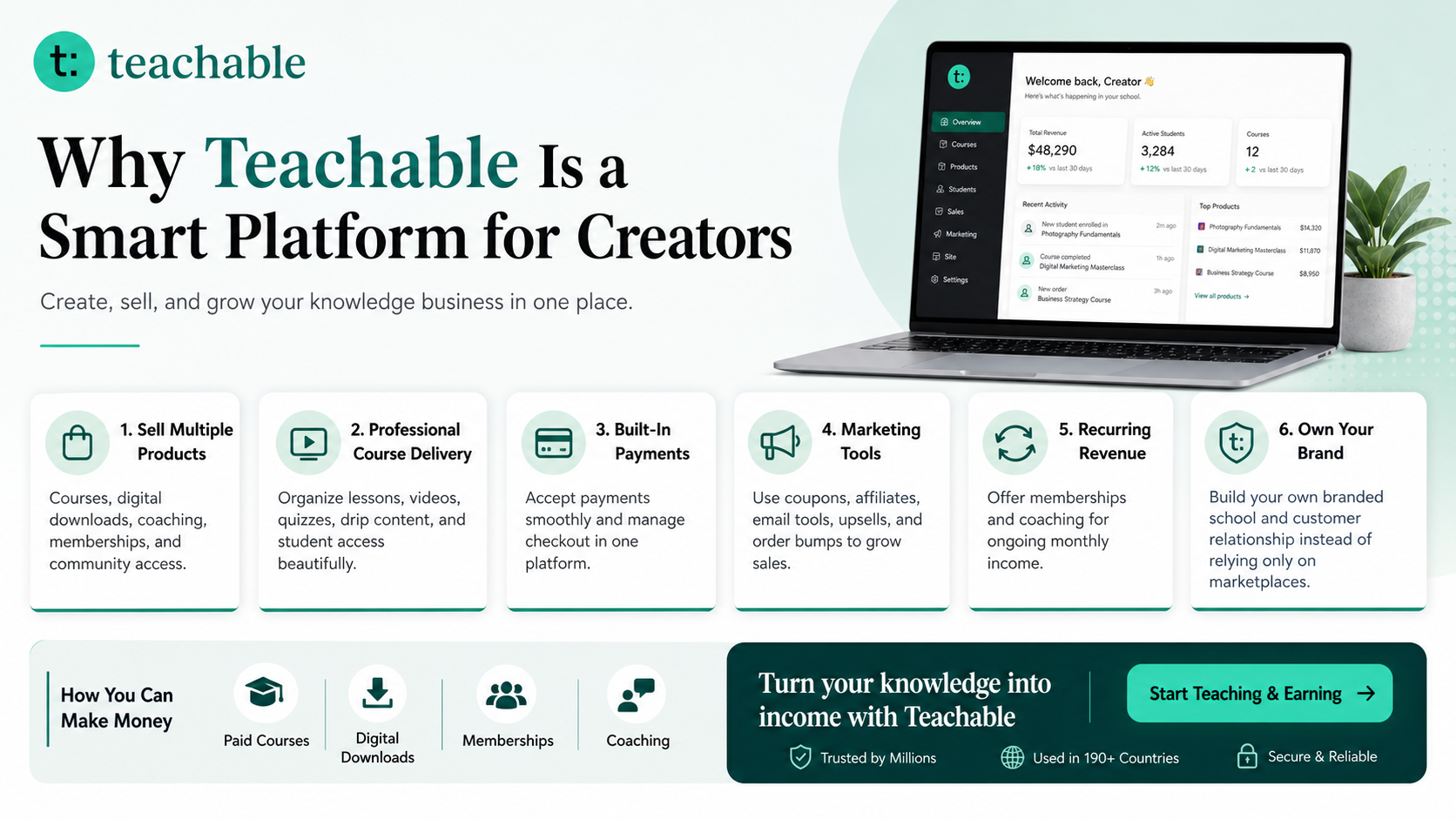
Teachable is an online platform that lets creators build, market, and sell courses, digital downloads, coaching, and memberships. It helps educators and entrepreneurs turn their knowledge into a branded digital business without needing complex coding.
Learn more: How to Make Money with Teachable: A Complete Creator’s Guide
FAQs
Is how to choose a mid cap etf important for beginners?
Yes. Beginners often focus only on returns, but ETF outcomes also depend on product structure, index quality, cost, liquidity and investor behavior. Understanding this topic helps you avoid simple but expensive mistakes.
Should I buy an ETF only because it has low expense ratio?
No. Expense ratio matters, but it should be compared with tracking error, tracking difference, liquidity, bid-ask spread, fund size, index suitability and your portfolio goal.
Is an ETF safer than a stock?
An ETF is usually more diversified than a single stock, but it is not risk-free. Equity ETFs can fall with the market, sector ETFs can be concentrated, and debt or commodity ETFs have their own risks.
Can I hold ETFs for long-term goals?
Yes, many investors use ETFs for long-term goals, but the ETF should match the goal duration, risk comfort and asset allocation plan. Review it periodically instead of reacting to daily price movement.
What is the simplest ETF rule for beginners?
Choose only what you understand, use limit orders when liquidity is not perfect, check factsheets and fair value, and keep the portfolio simple enough that you can continue investing calmly.
References and Further Reading
- SEBI Investor Education: Understanding Exchange Traded Funds
- NSE: About ETFs
- Investor.gov: Exchange-Traded Funds
- AMFI Investor Corner
- Teachable Official Website
Final word: How to Choose a Mid Cap ETF is not just a technical topic. It is part of building a calmer investment process. When you understand the index, cost, liquidity, pricing and portfolio role, ETFs become easier to use responsibly. Keep the plan simple, review it periodically and avoid decisions that you cannot explain.