How to Choose Funds for Goals Under 3 Years
Best for: beginners who want a calm, structured, and practical approach to investing decisions.
Core theme: Short-term goals need stability first because one bad year can damage the plan.
Table of Contents
How to Choose Funds for Goals Under 3 Years is a beginner-friendly way to think about mutual funds before selecting schemes. Many new investors start by asking, “Which fund gives the highest return?” A better first question is, “What is my goal, when do I need the money, and how much risk can I truly handle?”
This guide explains how to choose funds for goals under 3 years with practical examples, comparison tables, FAQs, and a simple decision framework. The purpose is to help you avoid random fund selection and build a plan that connects your money to real-life goals such as emergency planning, education, home purchase, retirement, or long-term wealth creation.
The core idea is simple: short-term goals need stability first because one bad year can damage the plan. Once this is clear, fund category selection becomes much easier because you are not chasing popularity; you are matching the product to the purpose.
Why This Matters for Mutual Fund Beginners
Mutual funds are often marketed as simple, but choosing them randomly can still create risk. A beginner may select a fund because it topped a one-year return chart, because a friend invested, or because the fund name sounds safe. How to Choose Funds for Goals Under 3 Years matters because it moves the investor from return chasing to goal matching.
The same fund can be suitable for one person and unsuitable for another. For example, an equity fund may be reasonable for a retirement goal 20 years away but risky for school fees due next year. A debt fund may provide stability, but it is not automatically risk-free. A gold or international fund may diversify a portfolio, but it should not become the whole plan.
When a beginner understands this, mutual fund selection becomes calmer. The investor no longer asks only which fund performed best recently. They ask whether the category, risk level, cost, tax treatment, and time horizon match the goal.
A Simple Framework You Can Use
1. Name the goal first
Write the goal clearly: emergency reserve, travel, education, home down payment, retirement, or wealth creation. A named goal makes fund selection more disciplined because every fund must justify its place.
2. Match the duration
The time available before withdrawal is one of the biggest drivers of fund choice. Short-term goals need stability. Long-term goals can usually accept more volatility. Medium-term goals often need a balanced approach and a planned reduction of risk as the goal date comes closer.
3. Check risk capacity and risk behavior
Risk capacity is your financial ability to take risk. Risk behavior is your emotional ability to stay invested when returns are negative. Both matter. If you cannot tolerate a temporary fall, a very high-risk fund may not be suitable even if the goal is long-term.
4. Review the fund category before the fund name
Begin with the category: liquid, debt, hybrid, equity, gold, or international. Only after the category fits should you compare funds within that category. This prevents beginners from mixing products that serve different purposes.
Practical Example for Beginners
Suppose an investor has three goals: an emergency buffer within six months, a car purchase in three years, and retirement in 20 years. A single aggressive equity fund cannot serve all three goals. The emergency buffer needs liquidity and stability. The car goal may need conservative allocation. The retirement goal can use equity-oriented growth with patience. This is how goals convert confusion into a structured plan.
Useful Comparison Table
| Goal duration | Possible fund direction | Main priority |
|---|---|---|
| 0–1 year | Liquid/overnight style options or bank products depending on safety needs. | Capital protection and access. |
| 1–3 years | Low-duration, short-duration or conservative options after checking risk. | Stability with modest return expectation. |
| 3–7 years | Hybrid or balanced allocation depending on risk comfort. | Blend growth and stability. |
| 10+ years | Equity-oriented allocation with disciplined review. | Long-term wealth creation. |
Deeper Insights for Better Decisions
The most important mutual fund decision is not the scheme name; it is the asset allocation. Two investors can own the same fund and have very different outcomes because their goals, holding periods, and behavior are different. A fund that is suitable inside a 20-year retirement plan may be stressful inside a two-year school fee plan.
Risk labels should be read carefully. A risk-o-meter can help identify the broad risk level of a scheme, but it does not replace understanding the portfolio. Equity exposure, credit quality, modified duration, concentration, international allocation, and expense ratio can all affect the experience of holding a fund.
Beginners should also understand that diversification is not the same as owning many funds. Holding six funds with similar portfolios may create overlap rather than real diversification. A simpler portfolio with clearly defined roles is often easier to review and maintain.
Tax planning also matters. Redemption timing, holding period, fund category, and capital gains rules can affect post-tax returns. Investors should avoid making redemption decisions only for tax reasons, but they should know the tax impact before acting.
A good mutual fund plan should feel boring most of the time. The investor contributes regularly, reviews occasionally, and changes allocation only when the goal, duration, risk profile, or fund suitability changes. This is how a simple plan becomes powerful.
Common Mistakes to Avoid
- Selecting funds only by recent return: Short-term performance can reverse quickly.
- Ignoring goal duration: Short-term money in equity funds may be forced to exit during a fall.
- Assuming debt means risk-free: Debt funds can carry interest-rate, credit, liquidity, and tax risks.
- Owning too many similar funds: More schemes do not always mean better diversification.
- Skipping annual review: Goals, income, and risk tolerance change over time.
A good mutual fund plan should be simple enough to follow. If you cannot explain why a fund is in your portfolio, it may be a sign to review the allocation.
Beginner Checklist
- What is the goal name, target amount, and goal date?
- Is the goal short-term, medium-term, or long-term?
- Does the fund category match the goal duration?
- Have I checked the scheme risk-o-meter, portfolio, expense ratio, and category?
- Can I continue the investment if returns are negative for a period?
- Do I understand taxation before redemption?
- Have I planned an annual review instead of reacting every month?
How to Put This Into Practice This Week
Start with a goal sheet. Write each goal, target amount, current savings, monthly investment ability, and expected withdrawal date. Then mark the goal as short-term, medium-term, or long-term. This one step can prevent many fund selection mistakes.
Next, map each goal to a broad fund category instead of a specific fund name. Short-term goals usually need stability. Long-term goals can use growth assets. Medium-term goals may need a mix. After this, compare funds only inside the category that fits the goal.
Finally, write a review rule. A beginner does not need to change funds every month. Review annually, when a goal changes, when your income changes, or when the fund no longer fits its role in the portfolio.
Key Takeaways
- How to Choose Funds for Goals Under 3 Years becomes easier when the investor starts with goals, not fund names.
- Goal duration should guide fund category selection more than recent return ranking.
- Risk labels are useful, but suitability depends on time horizon, income stability, and behavior.
- Equity, debt, gold, international, and hybrid funds play different roles in a portfolio.
- A simple annual review is usually better than frequent emotional changes.
Useful Resources for SenseCentral Readers
Disclosure: This article may contain affiliate or promotional links. SenseCentral may earn a commission or benefit when you use some links, at no extra cost to you. Always evaluate whether a product, course, tool, or investment-related resource fits your own needs.
Explore Our Powerful Digital Products
Browse high-value bundles for website creators, developers, designers, startups, content creators, and digital product sellers. These resources can help you build websites, digital products, planners, templates, and creative assets faster.
Explore InfiniteMarket Digital Products
Try Teachable
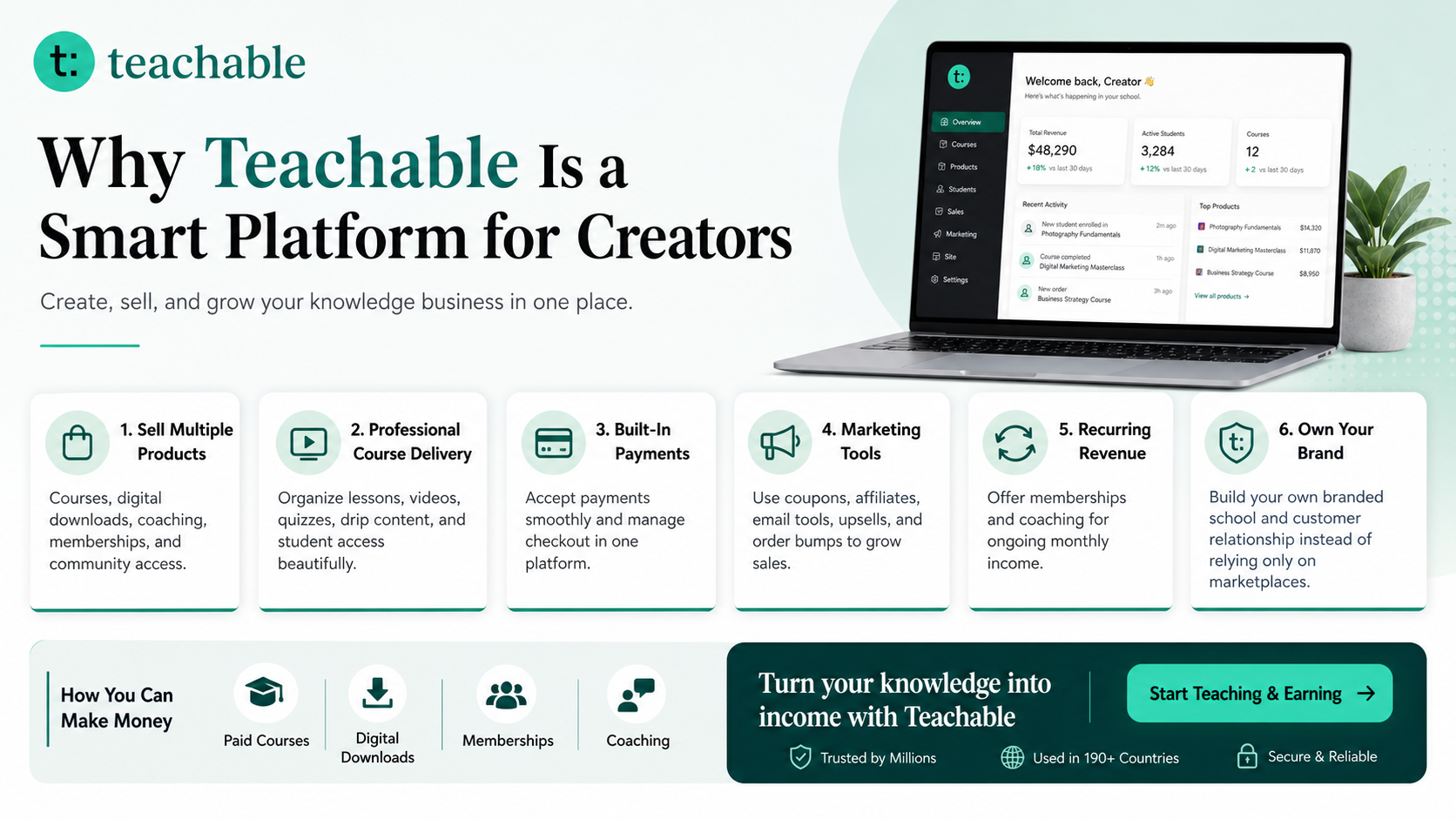
Teachable is an online platform that lets creators build, market, and sell courses, digital downloads, coaching, and memberships. It helps educators and entrepreneurs turn their knowledge into a branded digital business without needing complex coding.
Learn more: How to Make Money with Teachable: A Complete Creator’s Guide
Zee Sharp Productivity Tools
Zee Sharp is a growing suite of free online tools for productivity, development, and creativity. No sign-up. No watermarks. Just tools.
FAQs
Is how to choose funds for goals under 3 years useful for new mutual fund investors?
Yes. How to Choose Funds for Goals Under 3 Years helps beginners connect fund choice with goal duration, risk comfort, tax awareness, and the ability to stay invested through market cycles.
Which mutual fund category is best for every beginner?
There is no single best category for everyone. A fund suitable for a 10-year goal may be unsuitable for money needed in one year. Suitability matters more than popularity.
How should beginners use mutual fund risk labels?
Risk labels should be treated as a starting signal. Investors should also read the scheme document, portfolio, category, historical volatility, taxation, and whether the time horizon fits.
Should short-term money go into equity mutual funds?
Usually no. Equity funds can fall sharply in the short term, so money needed soon should usually prioritize safety and liquidity.
How often should a mutual fund portfolio be reviewed?
An annual review is enough for many long-term investors unless goals, income, risk capacity, taxation, or fund performance changes significantly.
Is this mutual fund article financial advice?
No. It is educational content. Please consult a qualified adviser for personalized investment and tax decisions.
Internal Links and Further Reading on SenseCentral
- Mutual Fund Guides on SenseCentral
- Investing for Beginners on SenseCentral
- Personal Finance Guides on SenseCentral
- How to Choose Funds for Goals Under 7 Years
- How to Choose Funds for Goals Over 10 Years
- How to Choose Funds for Goals Under 1 Year
- How to Make Money with Teachable: A Complete Creator’s Guide