
How to Create a Beginner-Friendly Stock Portfolio
How to Create a Beginner-Friendly Stock Portfolio is a practical topic for anyone who wants to invest in stocks with more structure and less confusion. The stock market can reward patience, research, and discipline, but it can also punish random buying, emotional decisions, and overconfidence. This guide breaks the idea into simple sections so beginners can act with a clear framework.
Build a simple stock portfolio with better diversification, position sizing, stock selection discipline, review rules, and beginner-friendly risk management. In this Sensecentral guide, we will keep the language beginner-friendly while still going deep enough to help you make better decisions. The aim is not to make you trade more; the aim is to help you think more clearly before you invest.
Quick Answer
How to Create a Beginner-Friendly Stock Portfolio can be understood best by focusing on process, risk, and suitability. A beginner should avoid treating the topic as a shortcut to quick money. Instead, use it to improve decision quality, reduce emotional mistakes, and connect every stock market action to a clear financial reason.
Core Concept
Why portfolio structure matters
A portfolio is not a random collection of stocks. It is a designed mix of businesses, sectors, risk levels, and time horizons. Beginners often focus on which stock to buy next, while ignoring whether their existing holdings already expose them to the same risk.
How many stocks are enough
There is no perfect number for every investor. A five-stock portfolio is concentrated and requires high conviction. A ten-stock portfolio gives more diversification but still remains manageable. Beyond a point, adding more stocks can reduce focus without improving decisions.
What makes a beginner-friendly portfolio
A beginner-friendly stock portfolio should be simple to understand, easy to review, diversified across businesses, and aligned with the investor’s goals. It should avoid overexposure to one sector, one theme, one market cycle, or one emotional idea.
Beginner Framework for How to Create a Beginner-Friendly Stock Portfolio
A beginner does not need to know everything before making progress. What matters is building a repeatable decision process. Start by asking three questions: what am I buying, why am I buying it, and what would make me change my mind? These questions sound simple, but they prevent many common mistakes. They force you to move from excitement to evidence.
For Sensecentral readers, the useful approach is to treat stock investing like a long-term personal system. You create a watchlist, learn one company at a time, compare alternatives, define allocation, and review results. This is very different from scrolling social media and buying whatever is popular today. A structured system may feel slower, but it gives you more control and less regret.
Risk should be defined before return. If a stock can fall 30% and make you panic, your position size is probably too large. If you need the money within a short period, the stock market may not be the right place for that money. If you do not understand the company, the risk is higher than it appears on a price chart. Good investing starts when you become honest about these limits.
Another important habit is separating the business from the stock price. The business earns revenue, manages costs, invests capital, competes with rivals, and serves customers. The stock price reflects what the market is willing to pay for that business today. Sometimes price moves ahead of fundamentals; sometimes it ignores improvement for months. Patient investors try to understand both, but they do not let daily movement control every decision.
Use simple records. A spreadsheet with purchase date, stock name, reason for buying, risk level, allocation, review date, and exit rule can improve your discipline. You do not need a complicated dashboard. You need a record that stops you from rewriting history after the result is known. When you review your own notes, you will quickly see whether your decisions are based on analysis or emotion.
Simple checklist before taking action
- Can I explain the company, chart concept, or investing idea in plain language?
- Do I know the main risks and not only the possible upside?
- Is this decision aligned with my time horizon and financial goal?
- Have I compared this option with at least two alternatives?
- Do I have a review rule instead of reacting to every daily price move?
When you cannot answer these questions, waiting is a valid decision. The stock market will always offer new opportunities. Beginners often feel that every rising stock is a missed chance, but the real missed chance is failing to build a process. Once your process improves, your future decisions become better even if you skip some exciting headlines today.
A practical portfolio example
A beginner may buy one bank, one IT company, one consumer company, one industrial company, and one healthcare company. That can be a simple five-company portfolio, but only if each company is researched and the allocation is controlled. Another beginner may buy ten stocks across sectors to reduce concentration. Both approaches can work if there is a written process.
The danger is not the number alone. The danger is owning stocks you cannot explain, cannot review, and cannot hold with conviction during normal market declines.
Helpful Comparison Table
The table below summarizes the most important factors to check before applying this concept in real investing. Use it as a starting point for your own notes, not as a mechanical rule.
| Factor | What It Means | Beginner Action |
|---|---|---|
| Number of stocks | Controls concentration | Too few can be risky; too many can become unmanageable |
| Sector exposure | Shows dependence on one industry | Avoid making your portfolio one-sector heavy |
| Business quality | Earnings, debt, cash flow, governance | Price alone does not make a stock safe |
| Position size | How much you allocate to each stock | Large positions require stronger conviction |
| Review rule | When you rebalance or sell | Rules reduce emotional decisions |
Step-by-Step Plan
- Choose a target number of holdings before buying.
- Set maximum allocation per stock and per sector.
- Write the reason for each holding in one paragraph.
- Review earnings, debt, valuation, and news on a fixed schedule.
- Sell or reduce when the original reason is broken, not just because of price noise.
A written plan is powerful because it reduces the need to decide everything under pressure. Before you buy, decide why the stock deserves a place in your portfolio, how much you are willing to allocate, how often you will review it, and what would make you reduce or exit. This turns investing from a reaction into a system.
Common Mistakes to Avoid
- Buying too many similar companies
- Putting too much money into one idea
- Ignoring sector concentration
- Never writing why you bought
- Confusing a watchlist with a portfolio
One useful rule is to avoid making portfolio decisions immediately after strong emotions. Excitement, fear, regret, and envy are all poor research tools. When you feel rushed, step back, reread your checklist, and compare the decision with your original goal.
Useful Resources for Readers and Creators
Explore Our Powerful Digital Products
Browse these high-value bundles for website creators, developers, designers, startups, content creators, and digital product sellers. These resources can help you build blogs, templates, stores, planners, spreadsheets, content packs, and digital assets faster.
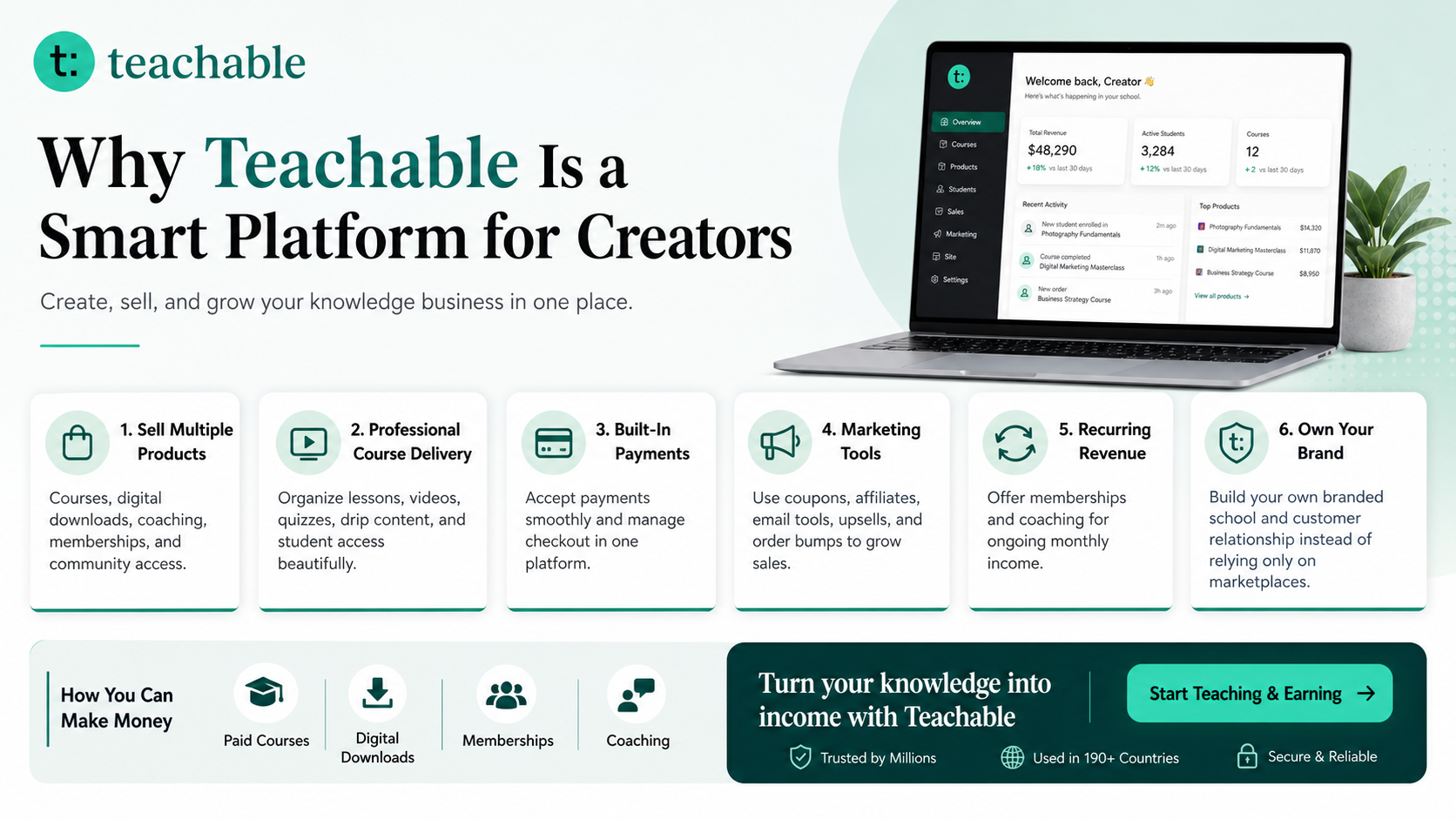
Build and Sell Your Own Knowledge Products With Teachable
Teachable is an online platform that lets creators build, market, and sell courses, digital downloads, coaching, and memberships. It helps educators and entrepreneurs turn their knowledge into a branded digital business without needing complex coding.
How to Make Money with Teachable: A Complete Creator’s Guide
Zee Sharp Free Productivity Tools
Zee Sharp is a growing suite of free online tools for productivity, development, and creativity. No sign-up. No watermarks. Just tools. It is useful for creators, developers, students, and website owners who want quick browser-based utilities.
Internal Links and Further Reading on Sensecentral
- How to Choose Stocks Based on Your Risk Level
- How to Avoid Random Stock Buying
- How to Invest in Stocks Without Feeling Overwhelmed
- How to Make Money with Teachable: A Complete Creator’s Guide
- Sensecentral Home
FAQs
How many stocks should a beginner own?
A manageable range is often better than owning too many. Five is concentrated; ten can be more balanced.
Should I buy only large companies?
Large companies can be easier to research, but valuation and business quality still matter.
How often should I add new stocks?
Add only when a new stock improves the portfolio, not because you are bored.
What is over-diversification?
It happens when you own so many stocks that you cannot track them properly.
Should every stock have the same allocation?
Not necessarily. Allocation should reflect risk, conviction, and portfolio balance.
Key Takeaways
- How to Create a Beginner-Friendly Stock Portfolio should be understood through risk, time horizon, and process.
- Beginners should avoid random buying, overconfidence, and social media-driven decisions.
- Simple checklists, written notes, and fixed review dates improve discipline.
- No indicator, dividend, corporate action, or portfolio idea is guaranteed to create profit.
- Protecting capital and learning consistently are more important than chasing quick returns.