How to Learn Stock Market Basics in 30 Days
Quick summary: A beginner-friendly, practical guide on how to learn stock market basics in 30 days with step-by-step investing tips, stock research checklists, examples, FAQs, useful resources, and risk warnings.
Disclaimer: This article is for education only and is not financial advice. Stock investing involves risk, including possible loss of capital. Always do your own research or consult a qualified financial adviser before investing.
Overview
A 30-day plan does not make you an expert, but it can give you enough structure to stop guessing. The goal is to build vocabulary, understand market mechanics, read basic financial numbers, create a watchlist, and learn how to review a stock without depending on random tips.
For Sensecentral readers, the practical goal is not to predict every daily market move. The goal is to become a better decision-maker. Good investors learn how to separate price from value, business progress from market noise, and research from entertainment. When you understand how to learn stock market basics in 30 days, you can create a process that is simple enough to follow and strong enough to protect you from many beginner mistakes.
Stock investing becomes less stressful when you accept one basic truth: you do not need to know everything before you start learning. You need a safe structure. That means beginning with small amounts, studying companies you can understand, avoiding borrowed money, and building a habit of reading official information. A beginner who learns slowly but consistently often builds better judgment than someone who jumps from one hot idea to another.
Why This Matters for Beginner Investors
The reason how to learn stock market basics in 30 days matters is that beginners often lose money not because the stock market is impossible, but because they enter without rules. They buy because a stock is rising, sell because it falls for two days, or trust a random recommendation without understanding the business. A clear process reduces emotional decisions.
Good stock research starts with questions. What products or services does the company sell? Who are the customers? Is demand growing? Does the company earn profits consistently? Does it generate cash? How much debt does it carry? Are promoters or management trustworthy? Is the valuation reasonable compared with growth and risk? These questions are simple, but they can prevent many poor decisions.
Another reason this topic is important is that markets are noisy. News channels, social media posts, brokerage notifications, and price alerts can make investing feel urgent. In reality, most long-term wealth is built through patience, diversification, and the discipline to avoid unnecessary action. Beginners should learn to act only when the facts change, not every time the price moves.
Step-by-Step Plan
Step 1: Define your investing purpose
Before choosing any stock, write down why you are investing. Are you investing for long-term wealth, retirement, a future home, children’s education, or general financial independence? Your goal decides your time horizon. A five-year or ten-year investor can tolerate market ups and downs better than someone who needs the money next month.
Step 2: Build emergency savings first
Stocks are volatile. If you invest money needed for rent, loan payments, school fees, or emergencies, you may be forced to sell during a market fall. Keep an emergency fund and invest only surplus money. This single habit makes you a calmer investor.
Step 3: Learn the business before the stock price
Many beginners start with charts and price targets. A better approach is to understand the business first. A stock is not just a moving number on a screen; it represents ownership in a company. If the company sells more, earns more, protects margins, and reinvests wisely, the long-term stock story can become stronger. If the business weakens, a rising price can become dangerous.
Step 4: Use official disclosures
For Indian companies, use exchange filings, annual reports, shareholding patterns, and financial results. For US companies, read annual reports and SEC filings. Official disclosures are not always easy to read, but they are more reliable than rumours. Start with the latest annual report, the latest quarterly result, and the last few investor presentations if available.
Step 5: Decide position size before buying
Position sizing is the amount of your portfolio allocated to one stock. Beginners should avoid putting too much money into one idea, even if it looks attractive. A small position allows you to learn without emotional pressure. As your understanding improves, you can increase exposure carefully.
Step 6: Review, do not react
Review your stocks after quarterly results, major announcements, or annual reports. Do not check prices every hour unless you are a trader. Long-term investors should track business performance, balance-sheet strength, competitive position, and valuation. Price is important, but it should not be the only signal.
Beginner investing roadmap
Beginner Checklist Before You Act
- Can I explain the company’s business in two simple sentences?
- Do I know how the company earns revenue and what drives costs?
- Have I checked at least three years of sales, profit, margins, and cash flow?
- Is debt manageable compared with profits and cash generation?
- Are promoters, management, and key shareholders showing responsible behavior?
- Have I compared valuation with growth, quality, and peers instead of looking only at price?
- Do I understand the biggest risks that can hurt the business?
- Have I decided how much of my portfolio I am willing to allocate?
- Am I buying because of my research, not because of fear of missing out?
- Will I be comfortable holding if the stock falls temporarily but the business remains healthy?
Practical Example
Imagine you earn a modest salary and can invest only a small amount each month. Instead of buying ten random stocks, you create a watchlist of companies you understand, read basic information about each, and start with one or two small positions. You review them every quarter and add only when your conviction improves. This method may look slow, but it protects you from expensive beginner mistakes.
A useful habit is to write a short investment note before every purchase. Include the business model, reasons to buy, major risks, valuation comfort, expected holding period, and the condition under which you would sell. This note becomes your personal guardrail when the market becomes emotional.
Common Mistakes to Avoid
1. Buying only because the stock has already gone up
A rising stock price attracts attention, but price movement alone is not proof of business quality. If valuation becomes too expensive, even a good company can deliver poor future returns.
2. Ignoring debt and cash flow
Profit can look good while cash flow is weak. Debt can make a company fragile during downturns. Always check whether reported profits are supported by real cash generation and whether borrowings are manageable.
3. Depending on tips, targets, and social media noise
Tips rarely come with full context. They may not match your risk profile, time horizon, or financial situation. Use recommendations only as starting points for independent research, never as automatic buy decisions.
4. Over-diversifying without understanding
Holding too many stocks can create the illusion of safety. If you do not understand the companies, you may not know when the business weakens. A small, well-researched portfolio is often easier for beginners to manage than a random list of many stocks.
5. Expecting guaranteed returns
Stocks do not provide guaranteed returns. Even high-quality companies can fall due to valuation correction, sector slowdown, regulation, currency pressure, commodity costs, or management mistakes. Build a plan that can survive uncertainty.
Useful Resources and Internal Reading
Use the following resources to continue learning and to build a practical research workflow:
Digital Product Bundles
Sensecentral Site Map
How to Start Stock Investing Without Feeling Confused
What Beginners Should Know Before Buying Their First Stock
How to Build a Stock Portfolio From Scratch
For official data, beginners can explore SEBI investor education material, NSE and BSE corporate filings, SEC EDGAR for US company filings, and Investor.gov for investor education. Use these resources as learning references, not as shortcuts to guaranteed returns.
Useful Creator Resource: Turn Your Knowledge Into a Digital Business
Affiliate disclosure: Some links in this section may be affiliate links. If you buy through them, Sensecentral may earn a commission at no extra cost to you. We recommend tools only when they can add real value for creators, educators, and online business owners.
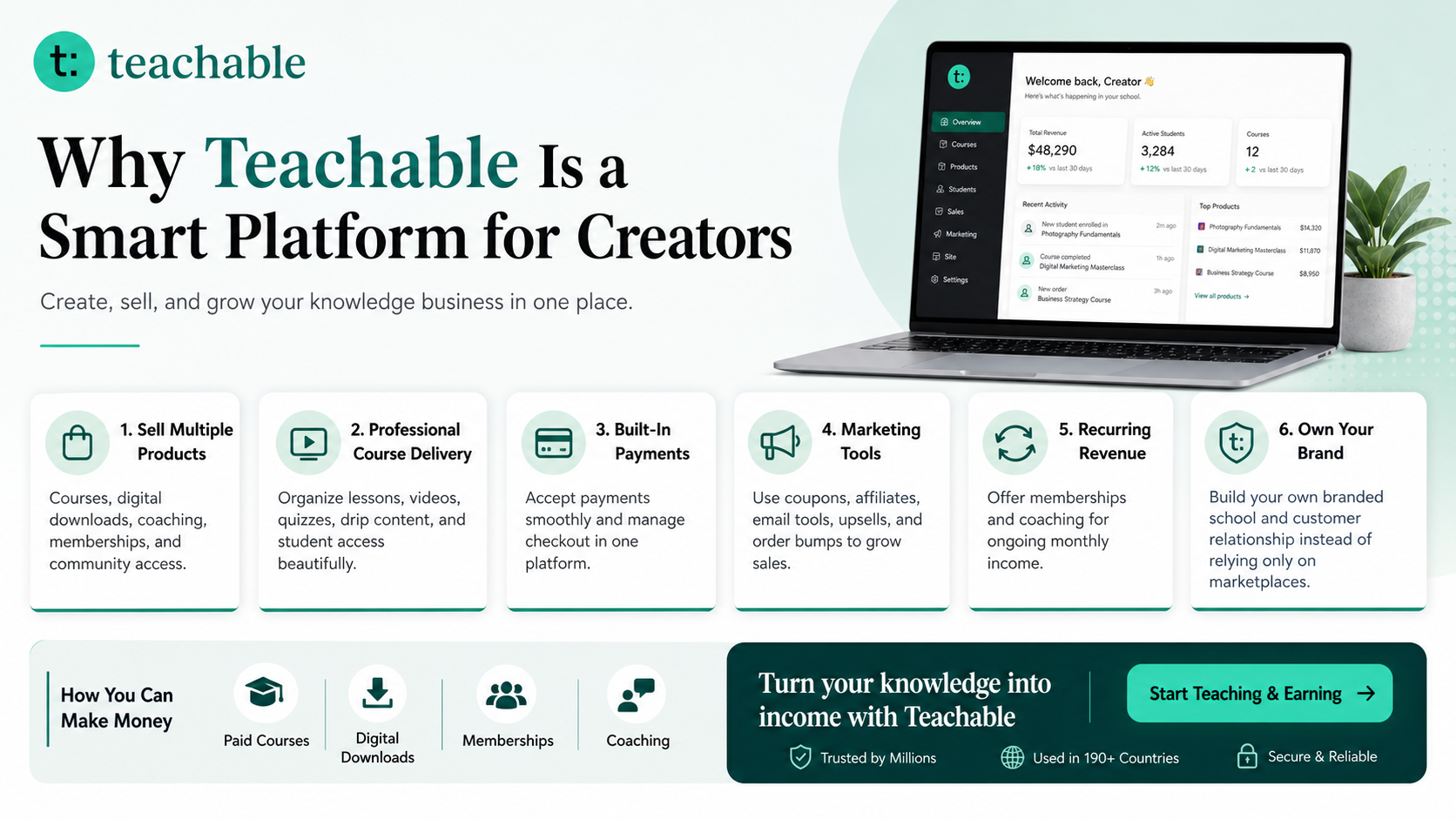
Teachable is an online platform that lets creators build, market, and sell courses, digital downloads, coaching, and memberships. It helps educators and entrepreneurs turn their knowledge into a branded digital business without needing complex coding.
Learn more: How to Make Money with Teachable: A Complete Creator’s Guide
Explore Our Powerful Digital Products
Browse these high-value bundles for website creators, developers, designers, startups, content creators, and digital product sellers. These resources can help you build content, visuals, templates, product listings, and online business assets faster.
Zee Sharp: Free Productivity, Development, and Creativity Tools
Zee Sharp is a growing suite of free online tools for productivity, development, and creativity. No sign-up. No watermarks. Just tools. Use it when you need quick PDF, image, text, developer, or conversion utilities while researching, writing, or building digital projects.
FAQs
Is how to learn stock market basics in 30 days important for beginners?
Yes. It gives beginners a structured way to think about risk, research, and long-term decision-making instead of depending on random stock tips or daily price movements.
How much money should a beginner start with?
Start with an amount that will not disturb your emergency fund, rent, loan payments, or essential expenses. The first goal is learning and process-building, not quick profit.
Should beginners invest in individual stocks or mutual funds first?
Many beginners start with diversified mutual funds or index funds while learning individual stock research. Individual stocks require more time, patience, and business analysis.
How often should I review my stocks?
For long-term investing, reviewing quarterly results, annual reports, and major announcements is usually more useful than watching daily price moves.
Can stock investing make me rich quickly?
It can build wealth over time, but it is not a guaranteed or quick-income plan. Realistic expectations, diversification, and patience are essential.
What is the safest way to learn stock investing?
Use small amounts, read official disclosures, track a watchlist, write down your reasons before buying, and avoid leverage or borrowed money.
Key Takeaways
- How to Learn Stock Market Basics in 30 Days is best understood through a calm, repeatable process rather than market noise.
- Beginners should focus on business quality, financial strength, valuation, risk, and position sizing.
- Official filings and annual reports are better research sources than rumours or short social media tips.
- Start small, diversify sensibly, avoid borrowed money, and review investments periodically.
- Long-term wealth in stocks usually comes from patience, discipline, and realistic expectations.
References and Further Reading
- SEBI Investor Education Reading Material
- Investor.gov – Introduction to Investing
- Investor.gov – Stocks: Benefits and Risks
- Investor.gov – Asset Allocation and Diversification
- Teachable Official Website
- Zee Sharp Free Online Tools
SEO keywords: learn stock market basics in 30 days, learn, market, basics, days, stock investing, beginner investing, stock market basics, long term investing, portfolio building