How to Match Mutual Funds With Financial Goals
Disclaimer: This article is for education only. It is not investment, tax, or legal advice. Please do your own research or consult a qualified adviser before investing.
How to Match Mutual Funds With Financial Goals can feel confusing when you are new to investing, but the topic becomes easier when you break it into goals, risk, process, and review. This Sensecentral guide explains the concept in beginner-friendly language, with examples, tables, checklists, FAQs, internal reading links, external references, and useful creator resources.
Key Takeaways
Why This Topic Matters
Step-by-Step Framework
Comparison Table
Practical Checklist
Simple Example
Common Mistakes
Useful Digital Resources
Teachable Creator Resource
Internal Links and Further Reading
FAQs
References
Key Takeaways
How to Match Mutual Funds With Financial Goals should connect to a goal, not a random market opinion.
Use allocation, diversification, written rules, and position sizing to reduce avoidable mistakes.
Do scheduled reviews instead of reacting to every price movement, headline, or social media tip.
Use every decision as feedback to improve your investing checklist over time.
Why How to Match Mutual Funds With Financial Goals Matters
How to Match Mutual Funds With Financial Goals is important because beginners often focus only on the next return while ignoring process. A strong investing process asks simple but powerful questions: What is the goal? How long can the money stay invested? What level of risk is acceptable? What facts would change the decision? What role does this investment play inside the full portfolio? When these questions are answered before investing, decisions become calmer and more consistent.
For a mutual fund beginner, the biggest advantage is not predicting the market perfectly. The advantage is avoiding large, preventable mistakes. Many poor outcomes come from overconfidence during good markets and fear during weak markets. A written plan helps you continue good habits when emotions are loud. It also gives you a way to learn from mistakes instead of repeating them.
This guide is educational and should not be treated as personal financial advice. Stock and mutual fund investments can rise or fall, and returns are not guaranteed. Before making a decision, consider your income stability, emergency fund, loans, family responsibilities, taxation, and whether you need help from a qualified financial adviser.
The Core Idea in Simple Words
The core idea behind How to Match Mutual Funds With Financial Goals is to make investing intentional. Intentional investing means each rupee has a job. Some money may need safety, some may need growth, and some may be available for learning through direct stock exposure. Once the job is clear, the investment choice becomes easier to judge. You can then compare the investment against goal amount, goal date, inflation, contribution capacity, and volatility tolerance rather than against random returns on the internet.
A practical investor does not need a complicated system. A simple system can include a goal note, risk range, checklist, review date, and exit or rebalancing rule. The goal note explains why you are investing. The risk range limits damage if you are wrong. The checklist protects you from impulsive decisions. The review date prevents daily overthinking. The exit or rebalancing rule tells you what to do when facts change.
Step-by-Step Framework
1. Write the goal clearly
A goal should have a name, time frame, estimated amount, and priority. Vague goals lead to vague portfolios, while written goals make fund selection easier.
2. Separate short, medium, and long horizons
Money needed soon should not be exposed to high equity volatility. Money needed after many years can usually accept more fluctuation because time can absorb market cycles.
3. Choose fund categories by horizon
Liquid, money market, or short-duration debt funds may fit parking needs; hybrid or balanced categories may fit medium-term goals; diversified equity funds may fit long-term wealth creation.
4. Avoid mixing all goals in one folio mentally
A single investment account can contain many goals, but your tracking should separate them. This helps you avoid redeeming retirement money for a short-term purchase.
5. Use SIPs for accumulation
SIPs help create discipline, especially for long-term goals. For uncertain income, flexible investing or periodic top-ups can work better than a high SIP that becomes difficult to maintain.
6. Shift gradually as the goal nears
For important goals, start reducing volatility before the goal date. Waiting until the last month can expose you to market falls at the wrong time.
7. Review expected return assumptions
No mutual fund can guarantee returns. Use conservative assumptions and adjust contributions if the portfolio is behind schedule.
Comparison Table: Better vs Riskier Approach
| Goal-based fund choice | Goal mismatch | Why it matters |
|---|---|---|
| Uses a written plan | Makes decisions from panic or excitement | Written rules make investing repeatable and easier to improve. |
| Checks goal and time horizon | Uses the same approach for every rupee | Different goals need different levels of volatility. |
| Reviews risk and allocation | Looks only at recent return | Return without risk context can lead to poor decisions. |
| Keeps costs and taxes in mind | Trades frequently without measuring costs | Small costs can reduce long-term wealth over time. |
| Documents lessons | Forgets mistakes after the market recovers | A learning system can turn mistakes into better future decisions. |
Practical Checklist
Use this checklist before taking action. You can copy the questions into your personal notes or portfolio tracker.
- What exact goal does this decision support?
- What is my expected holding period or review period?
- What are the main risks I may be underestimating?
- Does this decision improve diversification or increase concentration?
- Have I checked costs, taxes, exit load, and liquidity?
- Am I acting because of evidence or because of fear, greed, or pressure?
- What would make me reverse this decision later?
- Have I compared this option with simpler alternatives?
Simple Example: Matching Funds With Real Life
Imagine a beginner has three goals: emergency backup within one year, a vehicle purchase in four years, and wealth creation over fifteen years. Investing all three goals in the same aggressive equity fund would create unnecessary risk for the short-term goal. Keeping all money in a savings account would reduce growth potential for the long-term goal. A better approach is to separate goals and choose fund categories based on time horizon.
| Goal | Time Horizon | Possible Fund Role |
|---|---|---|
| Emergency or short-term parking | 0–12 months | Low-volatility options such as liquid or overnight style funds after understanding risks. |
| Medium-term goal | 3–5 years | Balanced, conservative hybrid, or suitable debt-oriented approach depending on risk profile. |
| Long-term wealth | 7+ years | Diversified equity or index-style exposure with SIP discipline and periodic review. |
This example shows why how to match mutual funds with financial goals should begin with goals, not fund names. A fund that is excellent for one investor can be unsuitable for another if the time horizon, risk appetite, and cash-flow situation are different.
Common Mistakes to Avoid
Most beginner mistakes are not caused by lack of intelligence. They are caused by unclear rules, emotional pressure, and copying strategies that do not fit personal goals. Watch out for these mistakes:
- Using equity funds for money needed in a few months
- Redeeming long-term investments for non-priority expenses
- Ignoring inflation in goal estimates
- Assuming past returns will continue
- Not increasing investments as income grows
A useful habit is to review mistakes without blaming yourself. Ask what information was missing, what assumption failed, and what rule can prevent a repeat. This converts a painful experience into a better decision system.
Useful Resources for Website Owners, Creators, and Digital Sellers
Explore Our Powerful Digital Products — browse high-value bundles for website creators, developers, designers, startups, content creators, and digital product sellers. If you are building a blog, online store, digital product business, or design workflow, ready-made assets can save hours of repetitive work.
Free Productivity Tools Hub: Zee Sharp
Zee Sharp is a growing suite of free online tools for productivity, development, and creativity. No sign-up. No watermarks. Just tools. It can be useful when you need quick calculators, converters, generators, text utilities, developer helpers, and creative workflow tools while researching or publishing content.
Useful Creator Resource: Build and Sell Knowledge Products
Affiliate disclosure: This post may include affiliate links. If you purchase through a referral link, Sensecentral may earn a commission at no extra cost to you.
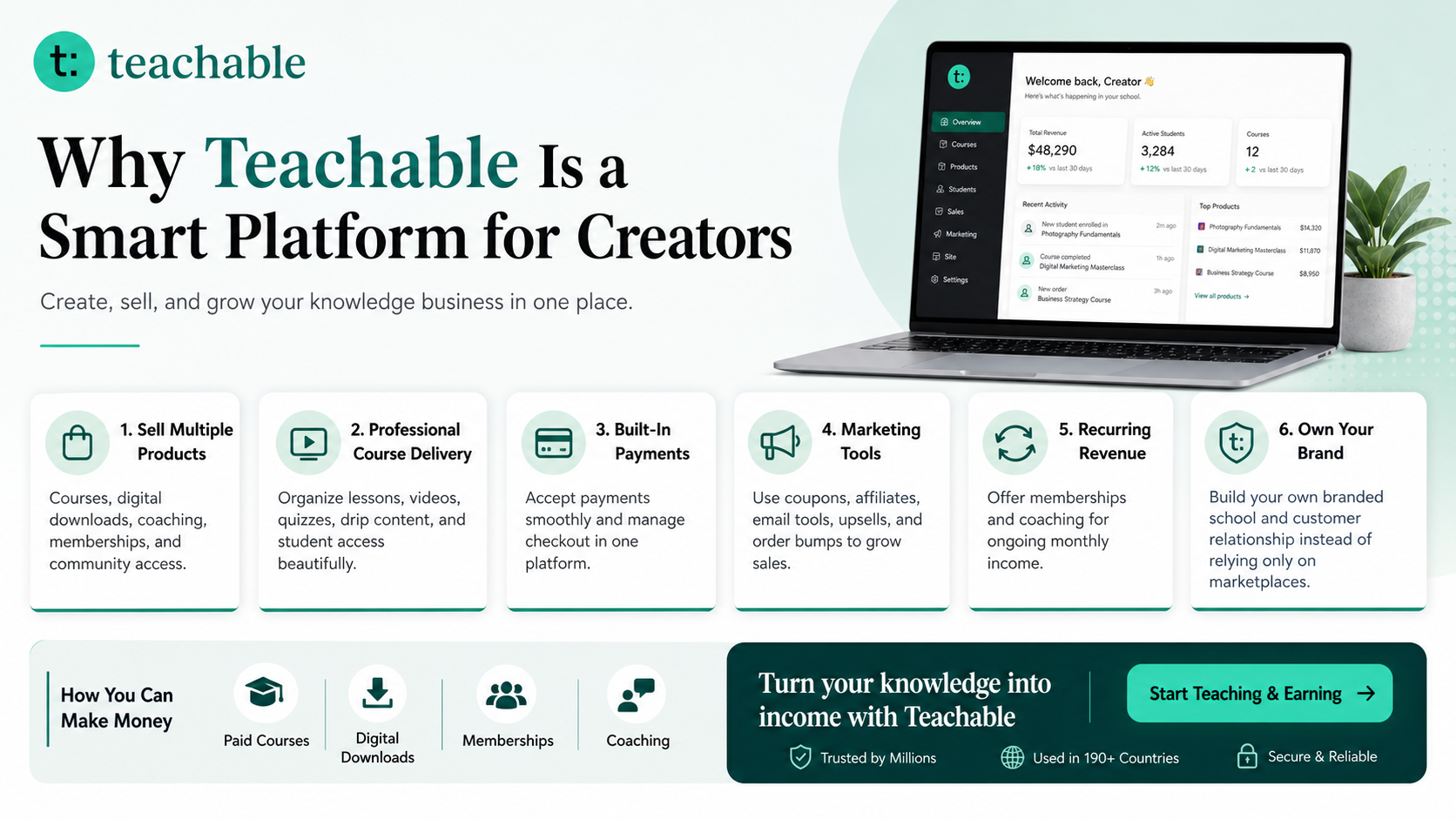
Teachable is an online platform that lets creators build, market, and sell courses, digital downloads, coaching, and memberships. It helps educators and entrepreneurs turn their knowledge into a branded digital business without needing complex coding.
How to Make Money with Teachable: A Complete Creator’s Guide
Internal Links and Further Reading
More from Sensecentral
FAQs
Which mutual funds are better for short-term parking?
Which mutual funds are better for short-term parking depends on your goal, time horizon, risk appetite, and the quality of the decision process. For beginners, the safest starting point is to avoid rushing, write down the reason for the decision, compare it with your overall plan, and review reliable sources before acting. Investing decisions should not be based only on recent performance, tips, or fear.
What is a medium-term mutual fund goal?
What is a medium-term mutual fund goal depends on your goal, time horizon, risk appetite, and the quality of the decision process. For beginners, the safest starting point is to avoid rushing, write down the reason for the decision, compare it with your overall plan, and review reliable sources before acting. Investing decisions should not be based only on recent performance, tips, or fear.
Are equity funds suitable for long-term wealth?
Are equity funds suitable for long-term wealth depends on your goal, time horizon, risk appetite, and the quality of the decision process. For beginners, the safest starting point is to avoid rushing, write down the reason for the decision, compare it with your overall plan, and review reliable sources before acting. Investing decisions should not be based only on recent performance, tips, or fear.
Why does time horizon matter?
Why does time horizon matter depends on your goal, time horizon, risk appetite, and the quality of the decision process. For beginners, the safest starting point is to avoid rushing, write down the reason for the decision, compare it with your overall plan, and review reliable sources before acting. Investing decisions should not be based only on recent performance, tips, or fear.
How often should goal portfolios be reviewed?
How often should goal portfolios be reviewed depends on your goal, time horizon, risk appetite, and the quality of the decision process. For beginners, the safest starting point is to avoid rushing, write down the reason for the decision, compare it with your overall plan, and review reliable sources before acting. Investing decisions should not be based only on recent performance, tips, or fear.
SEO Keywords and Tags
mutual funds, mutual funds for beginners, sip investing, asset allocation, goal based investing, financial planning, time horizon, wealth creation, goal portfolio, Sensecentral, personal finance