How to Shift From Aggressive Funds to Conservative Funds

Disclaimer: This article is for educational purposes only and is not personal financial advice. Mutual fund investments are subject to market risks. Read scheme documents, factsheets, risk-o-meter details, and consult a qualified advisor when needed.
Affiliate disclosure: This article may contain affiliate/resource links. SenseCentral may earn a commission from qualifying actions at no extra cost to you.
How to Shift From Aggressive Funds to Conservative Funds matters because a profitable mutual fund journey can still fail if the goal money remains exposed at the wrong time. As the goal date gets closer, the priority slowly shifts from maximum return to return of capital.
A mutual fund portfolio is not just a list of schemes. It is a financial system that connects your goals, time horizon, risk capacity, income stability, tax records, and behaviour. When this system is missing, investors often collect funds based on recent returns, YouTube recommendations, social media opinions, or suggestions from friends. The result is usually a crowded portfolio that is difficult to understand and harder to manage during volatility.
This guide explains How to Shift From Aggressive Funds to Conservative Funds in a practical, beginner-friendly way. You will learn how to think about fund roles, how to use factsheets, how to avoid unnecessary overlap, how to review risk, and how to build a plan that remains useful even when markets are noisy. The goal is not to create a perfect portfolio. The goal is to create a portfolio that you can understand, maintain, and improve over time.
Why How to Shift From Aggressive Funds to Conservative Funds Matters
Beginners often believe mutual fund investing becomes safer automatically when they own many schemes. In reality, safety comes from the right match between goal, asset allocation, category selection, costs, and behaviour. A portfolio with twelve overlapping equity funds can be riskier and more confusing than a portfolio with four purposeful funds. Similarly, a high-return fund can be unsuitable if the money is needed soon.
Mutual fund factsheets, portfolio disclosures, risk-o-meter labels, and category comparisons exist because investors need more than return charts. You should know what the fund owns, how concentrated it is, how it behaved in weak markets, and whether it still follows the role you assigned to it. This becomes especially important when markets fall and emotions rise.
The most useful portfolio is one that answers three questions clearly: Why do I own this fund? When will I need this money? and What risk am I accepting? If you cannot answer these questions, your portfolio may be depending more on hope than planning.
Step-by-Step Method
1. Mark the goal date clearly
Your fund choice should change as the goal date approaches. A goal ten years away can carry more volatility than a goal eighteen months away.
2. Shift gradually instead of suddenly
Moving money in stages reduces the pressure to predict the perfect market level. A monthly or quarterly transfer plan can be calmer than a one-day decision.
3. Separate growth money from goal money
Once a goal amount is nearly achieved, do not treat it like surplus wealth. The objective changes from aggressive compounding to successful completion.
4. Write the redemption plan early
Decide the amount, date, tax documents needed, and bank account path before the money is required. This prevents panic, operational delays, and emotional decisions.
Practical Comparison Table
Use the table below as a quick decision aid. It is not a fixed investment recommendation, but it can help you structure your thinking before you add, remove, or shift any mutual fund.
| Goal Distance | Portfolio Priority | Suggested Move | Main Mistake to Avoid |
|---|---|---|---|
| 5+ years away | Growth focus | Review annually | Avoid frequent switching |
| 3–5 years away | Reduce extreme equity exposure | Shift gradually | Protect planned goal amount |
| 1–3 years away | Debt/liquid bucket | Transfer in stages | Avoid market timing dependency |
| Within 12 months | Capital protection | Redeem or park safely | Do not leave goal money exposed |
Beginner Checklist
Before acting on How to Shift From Aggressive Funds to Conservative Funds, go through this checklist. A checklist is powerful because it slows down emotional decisions and converts investing into a repeatable process.
- Goal date confirmed
- Required amount protected
- Shift plan staged
- Tax impact checked
- Redemption dates planned
- Bank account details verified
Common Mistakes to Avoid
Most mutual fund mistakes are not caused by lack of information. They are caused by unclear rules, mixed goals, and emotional reactions. Watch out for these common mistakes:
- Leaving goal money in aggressive funds until the last month.
- Redeeming everything suddenly without considering tax and market conditions.
- Treating capital protection as a sign of fear rather than good planning.
- Waiting for the perfect market top before moving to safer buckets.
Example Plan for Beginners
Consider an investor whose child education goal is two years away. The equity portion has grown well, but leaving the full amount in aggressive funds can expose the goal to a sudden market fall. A gradual shift over the next several months into debt or liquid options can protect the required amount without needing to predict the market.
This is the practical meaning of How to Shift From Aggressive Funds to Conservative Funds. The goal is not to maximize the final 2% of return. The goal is to make sure the money is available when needed.
For better tracking, create a simple spreadsheet with columns for fund name, goal tag, category, monthly investment, current value, target allocation, review date, risk level, and action required. This single sheet can make your portfolio much easier to understand.
How to Review This Without Overreacting
For transition review, remember that safety should increase before the goal date, not after a market fall. If you wait for a correction to start protecting gains, the damage may already be done. A planned glide path gives you a practical schedule for reducing risk while the portfolio still has time.
A good review asks: Is the goal still valid? Is the time horizon still the same? Has the fund changed its mandate, holdings, cost, or risk profile? Has your personal risk capacity changed due to income, debt, family needs, or upcoming expenses? If the answer is no, action may not be necessary. If the answer is yes, make changes gradually and document the reason.
Useful Resources for Investors and Creators
Investors need good tools for tracking, reading, planning, and staying organized. The following resources can help you build better workflows around your financial learning, content creation, and digital business ideas.
Useful Resource: Explore Our Powerful Digital Products
Explore Our Powerful Digital Products — Browse high-value bundles for website creators, developers, designers, startups, content creators, and digital product sellers.
Free Productivity Tools: Zee Sharp
Zee Sharp is a growing suite of free online tools for productivity, development, and creativity. No sign-up. No watermarks. Just tools.
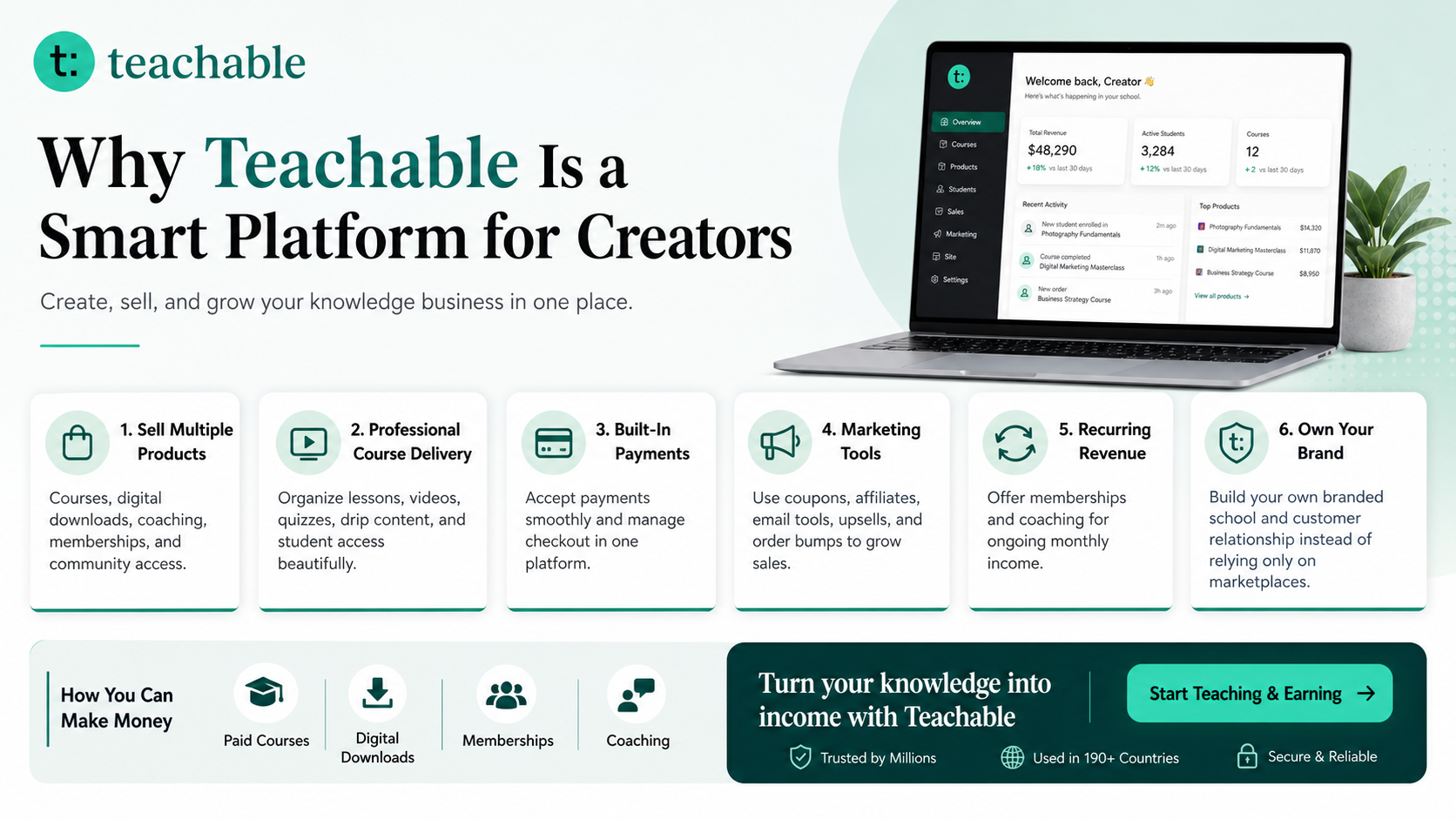
Creator Affiliate Resource: Build and Sell With Teachable
Teachable is an online platform that lets creators build, market, and sell courses, digital downloads, coaching, and memberships. It helps educators and entrepreneurs turn their knowledge into a branded digital business without needing complex coding.
Learn more: How to Make Money with Teachable: A Complete Creator’s Guide
FAQs
Is how to shift from aggressive funds to conservative funds suitable for beginners?
Yes, the concept is beginner-friendly when you use it as a planning framework rather than a promise of returns. The safest approach is to connect every fund to a goal, time horizon, and risk level before investing.
How often should I review my mutual fund portfolio?
For most long-term investors, a quarterly progress check and an annual detailed review is enough. Daily NAV tracking usually creates noise and emotional decisions.
Should I sell a fund only because it underperformed for one year?
Not usually. One-year underperformance can happen even in good funds. Compare the fund with its category, benchmark, risk level, portfolio changes, and your original reason for buying it.
How many mutual funds are enough?
Many investors can manage with three to six purposeful funds. The exact number depends on goals, asset allocation, tax needs, and whether each fund adds a clearly different role.
Can I use online tools to track this?
Yes. A spreadsheet, mutual fund factsheets, AMC portfolio disclosures, and simple productivity tools can help you track goals, overlap, review dates, and redemption plans.
Key Takeaways
- As the goal date approaches, gradually reduce exposure to high-volatility funds.
- Debt funds or liquid options can protect near-term goal money from equity market shocks.
- Plan redemption dates and tax records before you need the money.
- Protecting gains is not the same as predicting the market top.
Further Reading on SenseCentral
References and Useful External Resources
Post Tags / Keywords
mutual funds, investing for beginners, portfolio planning, asset allocation, financial goals, risk management, debt funds, redemption planning, conservative investing, goal maturity, capital protection, withdrawal planning