Affiliate disclosure: This article may include affiliate or referral links. If you click and buy through these links, Sensecentral may earn a small commission at no extra cost to you. Always compare tools and choose what fits your own financial situation.

Paycheck Budgeting: How to Budget Every Payday
Paycheck Budgeting: How to Budget Every Payday is a practical guide for anyone who wants a clearer, calmer, and more organized way to manage money. Whether you are creating your first budget, fixing a budget that failed, or improving an existing money routine, this post explains the method step by step with examples, tables, checklists, FAQs, and useful resources.
Key Takeaways
- Paycheck Budgeting: How to Budget Every Payday works best when it is built around real income, real bills, realistic spending, and a simple review routine.
- The method should help you make decisions before spending, not shame you after spending.
- Use a calendar, spreadsheet, printable, or app only if it makes the budget easier to check and maintain.
- Keep a small buffer for surprises so ordinary life does not destroy the plan.
- Review the system weekly and reset it monthly for better long-term consistency.
What This Budgeting Method Means
A good budget is not a punishment system. It is a decision-making tool that helps you see what your money needs to do before the month, week, or payday begins. Paycheck Budgeting: How to Budget Every Payday is useful because it turns vague money stress into specific choices: what must be paid, what can be reduced, what should be saved, and what deserves attention today. Many people fail at budgeting because they start with a perfect-looking template but ignore how their life actually works. The better approach is to build a budget around your real income rhythm, real bills, real habits, and real priorities.
The heart of this approach is to plan each payday around the bills and goals before the next paycheck. That may sound simple, but it changes the way you look at money. Instead of waiting until the end of the month to discover where everything went, you make a plan in advance and then compare the plan with reality. This creates feedback. Feedback is what makes budgeting powerful. A budget should show you whether groceries are rising, subscriptions are stacking up, debt payments are slowing progress, or savings goals are being delayed. When the numbers become visible, the next action becomes easier.
For beginners, the most important rule is not perfection; it is consistency. A budget that you check for ten minutes every week is better than a beautiful budget you abandon after two days. If paycheck budgeting: how to budget every payday feels difficult, reduce the number of categories, automate one savings transfer, and track only the categories that usually cause trouble. You can always add more detail later. Budgeting is like fitness: a small routine done repeatedly beats an intense routine you cannot sustain.
Simple Definition
In simple terms, Paycheck Budgeting: How to Budget Every Payday helps you plan each payday around the bills and goals before the next paycheck. It is a cash-flow method that can be adapted to households, students, freelancers, employees, creators, and small business owners.
How It Works Step by Step
Before you build the plan, collect three things: recent income records, current bill amounts, and a rough list of daily spending. If you use cards or bank accounts, download the last one to three months of transactions. If you use cash, review receipts or write down estimates. This step may feel uncomfortable, especially if you have avoided looking at spending, but it is also the step that gives you control. You cannot improve numbers you never see. Once the numbers are visible, you can separate essentials from conveniences and priorities from impulses.
A strong cash-flow method includes both fixed and flexible categories. Fixed categories are predictable: rent, loan payments, insurance, school fees, internet, and subscription charges. Flexible categories move up and down: food, fuel, household supplies, gifts, clothing, entertainment, and repairs. Most budget problems happen in flexible categories because they look small one purchase at a time but become large at the end of the month. That is why this guide focuses on planning limits, tracking progress, and creating a review routine.
Step 1: List Income
Use take-home income, not gross income. Include salary, freelance income, business income, side-hustle income, support payments, and any reliable recurring income. If income changes, use a conservative average.
Step 2: List Obligations
Write down bills, debt payments, subscriptions, insurance, rent or mortgage, school fees, utilities, and any payment with a due date. Add the due date beside each one.
Step 3: Plan Flexible Spending
Set realistic limits for groceries, transportation, personal spending, entertainment, clothing, gifts, and household items. These are the areas that need the most attention.
Step 4: Fund Goals
Add savings, emergency fund contributions, sinking funds, investing, and extra debt payments. Even small recurring amounts create momentum when repeated consistently.
Another important idea is timing. A monthly budget can look balanced on paper but still fail if bills are due before income arrives. This is why many people need a calendar, payday plan, or weekly spending plan even when they already have a monthly budget. Timing is the bridge between a budget and real cash flow. When you know which bills are due before the next paycheck, you avoid using money that is already promised to something else. This reduces late fees, panic transfers, and credit-card dependence.
Example Budget Structure
The table below gives you a practical framework you can copy into a notebook, printable planner, Google Sheet, Excel workbook, or budget app. Adjust the percentages and category names based on your income level, household size, debt situation, and cost of living.
| Budget Part | What to Include | Practical Tip |
|---|---|---|
| Income | Take-home pay and reliable side income | Use net income, not gross salary |
| Fixed bills | Rent, loan payments, insurance, subscriptions | Add due dates and payment status |
| Variable spending | Groceries, fuel, dining, personal care | Set realistic limits using past spending |
| Goals | Savings, debt payoff, annual bills, sinking funds | Fund these before leftover money disappears |
| Review | Weekly or monthly money check-in | Adjust categories without abandoning the system |
Quick Comparison Table
Use this comparison to understand when the method is useful and how to avoid overcomplicating it.
| Element | How it works | Why it matters |
|---|---|---|
| Core idea | Cash-flow method | Makes money decisions visible before spending happens |
| Best use | Monthly planning, weekly check-ins, and expense control | Keeps the system practical instead of theoretical |
| Main risk | Overcomplicating the categories or ignoring real life | Use fewer categories and review results weekly |
| Success sign | Bills are paid, goals get funded, and spending feels calmer | Progress continues even when the month is imperfect |
Who This Method Is Best For
Your budget also needs a margin. A plan that assigns every rupee or dollar with no breathing room can break when fuel prices rise, a child needs school supplies, or a small repair appears. Margin can be called a buffer, cushion, miscellaneous category, or mini-emergency fund. The name is less important than the purpose. It protects the budget from normal life. Even a small margin helps you avoid turning every surprise into debt.
When you compare budgeting methods, remember that different systems solve different problems. Percentage rules are easy to understand. Zero-based budgets create strong awareness. Cash envelopes help with overspending. Spreadsheets provide control and customization. Budget apps reduce manual work. Printables make the plan visible. A budget calendar solves timing problems. A debt payoff budget creates motivation. The best system is not the one with the most features; it is the one that addresses the problem you actually have right now.
- Beginners who need a clear starting point without complex financial jargon.
- Families who want one shared view of bills, school costs, groceries, debt, and savings goals.
- Freelancers and creators who need a plan for irregular income, taxes, tools, and business expenses.
- Debt payoff focused readers who want extra payments to be intentional instead of random.
- Busy people who need a routine that takes minutes, not hours, to maintain.
Common Mistakes to Avoid
The biggest mistake with paycheck budgeting: how to budget every payday is building it only around ideal behavior. Realistic budgeting includes birthdays, small treats, price increases, school needs, seasonal expenses, annual renewals, medical costs, and occasional mistakes. If you pretend those costs will not happen, the budget will look good but fail in practice. Add categories for irregular expenses and fund them gradually. That way, future bills become planned events rather than emergencies.
Do Not Make the Budget Too Perfect
A budget that assumes zero mistakes, zero surprises, and zero fun often fails. Include a realistic spending allowance and a small buffer. The purpose of a budget is progress, not punishment.
Mistake 1: Using Too Many Categories
Beginners often create dozens of categories because it feels organized. In practice, too many categories can make the system hard to update. Start with broad categories such as housing, utilities, food, transport, debt, savings, personal spending, and miscellaneous. Add detail only where it helps decision-making.
Mistake 2: Ignoring Small Recurring Charges
Subscriptions, app renewals, delivery fees, storage plans, and small memberships can quietly drain money. Review bank statements and card statements at least once a month. Cancel what you do not use and move useful tools into a planned category.
Mistake 3: Forgetting Annual and Irregular Expenses
Annual insurance, vehicle maintenance, software renewals, school supplies, festivals, gifts, repairs, and medical costs should not surprise you every year. Divide estimated annual costs by 12 and create monthly sinking funds.
Simple Budget Routine
A beginner-friendly budget should answer five questions quickly: How much money is coming in? What must be paid before the next income date? What spending limit is safe for daily life? What money should be saved or used for debt payoff? What needs to change before the next review? If your system cannot answer these questions, it is too confusing or incomplete. Keep simplifying until the answers are easy to find.
For this topic, a regular routine works well. Review the budget weekly and reset it monthly so it stays connected to real spending. If the budget feels heavy, reduce the routine to three questions: What must be paid next? What is safe to spend? What goal should be funded before anything else?
| Routine | What to Do | Time Needed |
|---|---|---|
| Daily glance | Check available spending money and avoid unplanned purchases. | 2–3 minutes |
| Weekly check-in | Update spending, compare category limits, and move money if needed. | 10–20 minutes |
| Monthly reset | Review what worked, prepare upcoming bills, and set new goals. | 30–60 minutes |
| Quarterly review | Check subscriptions, insurance, debt progress, income changes, and savings targets. | 45–90 minutes |
Useful Budgeting Resources
Explore Our Powerful Digital Products
Browse these high-value bundles for website creators, developers, designers, startups, content creators, and digital product sellers. If you are building templates, planners, spreadsheets, business assets, or creator resources, InfiniteMarket can help you discover useful digital products faster.
Creator Tool Recommendation: Teachable
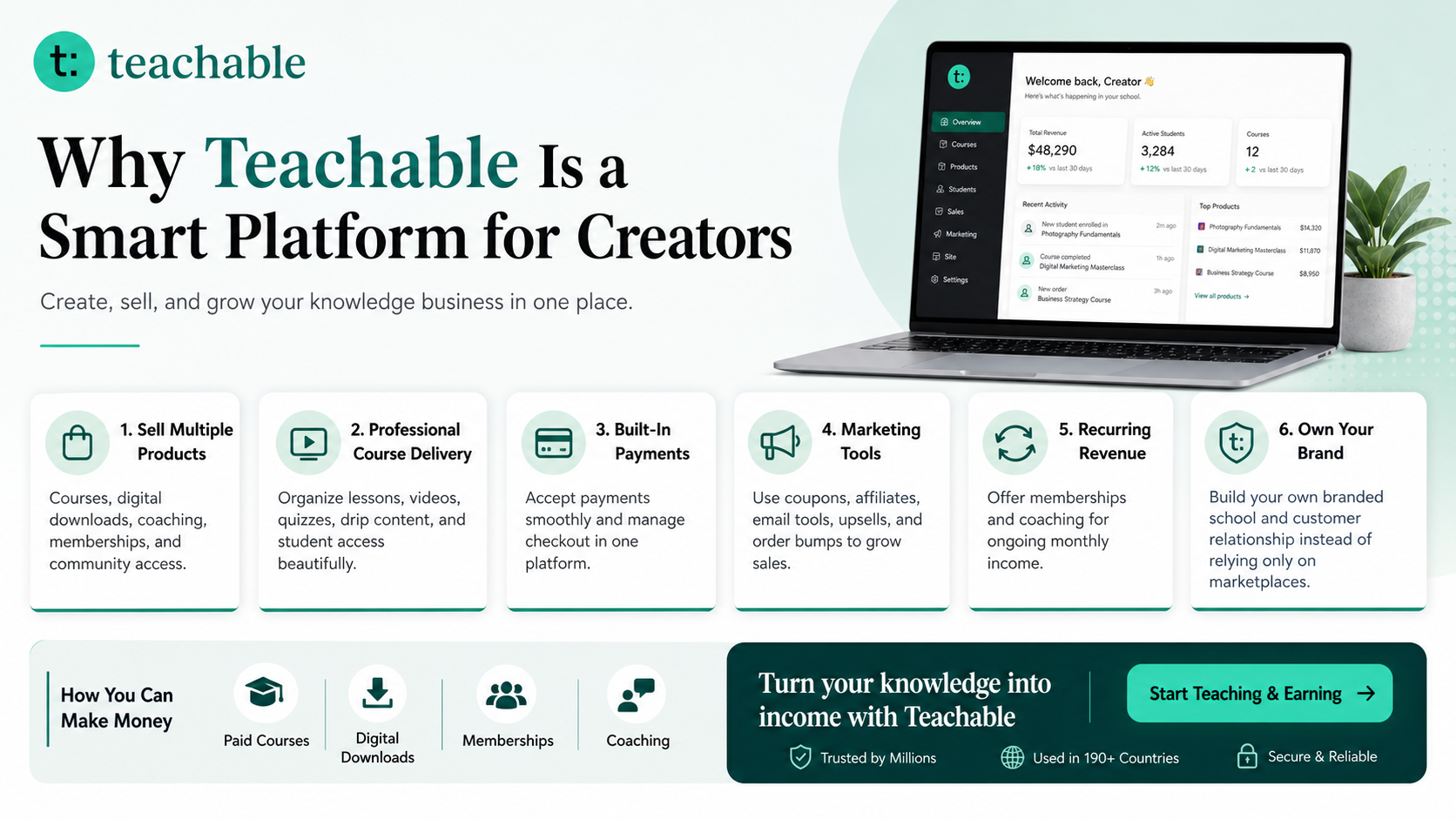
Teachable is an online platform that lets creators build, market, and sell courses, digital downloads, coaching, and memberships. It helps educators and entrepreneurs turn their knowledge into a branded digital business without needing complex coding. If you plan to turn budgeting templates, finance courses, printables, or digital downloads into an online product, this can be a useful platform to explore.
How to Make Money with Teachable: A Complete Creator’s Guide
Internal Links from Sensecentral
Continue learning with these related Sensecentral guides:
- How to Use a Bare-Bones Budget
- How to Create a Family Budget Binder
- How to Create a Debt Payoff Budget
- How to Make Money with Teachable: A Complete Creator’s Guide
FAQs
Is paycheck budgeting: how to budget every payday good for beginners?
Yes. Paycheck Budgeting: How to Budget Every Payday can work for beginners when it is kept simple, reviewed regularly, and adjusted to real income and real spending. Start with broad categories first, then add detail only when the system becomes easier to maintain.
How often should I update this budget?
A weekly check-in is usually enough for most households, while a deeper monthly reset helps you prepare for the next month. If your income changes often, update the plan around every payday.
What should I do if I overspend in one category?
Move money from a lower-priority category, reduce discretionary spending for the rest of the period, and write down why the overspending happened. The goal is correction, not guilt.
Should I use an app, spreadsheet, printable, or notebook?
Use the tool you will actually check. Apps are convenient, spreadsheets are flexible, printables are visual, and notebooks are simple. The best tool is the one that makes your next money decision clearer.
How long does it take for a budget to feel natural?
Most people need two or three cycles before the numbers feel realistic. The first budget is a draft; the second budget is a correction; the third budget usually becomes much more practical.
References and Further Reading
This guide is written for everyday people, families, students, freelancers, employees, creators, and small business owners who want practical control without turning money management into a full-time job. Use the steps, tables, and checklists as a starting point. Then modify them for your location, currency, family size, income pattern, and goals. Personal finance is personal; the structure gives you clarity, but your real life decides the final numbers.
- Consumer Financial Protection Bureau: Budgeting — how to create a budget and stick with it
- Consumer.gov: Making a Budget
- CFPB: Your Money, Your Goals toolkit
- IRS: Tax Withholding Estimator
- NerdWallet: Zero-Based Budgeting Explained
- NerdWallet: 50/30/20 Budget Calculator
Editorial note: This guide is for general educational information and should not be treated as personalized financial, tax, or legal advice. Consider speaking with a qualified professional for decisions involving taxes, debt, investing, or legal obligations.