· What is RAM?
– Random Access Memory.
– RAM is volatile.
· Broadly classified as
– Static RAM.
– Dynamic RAM.
· Static RAM
– Fast, has lower access time.
– Typical access times 5-25 ns.
– Expensive.
– Cache memory is Static RAM.
· Dynamic RAM
– Slower, has higher access time than Static RAM.
– Typical access times 60-120 ns.
– Much cheaper than SRAM.
– Main Memory is Dynamic RAM
· Memory Bandwidth is proportional to System Bus speed.
· Dynamic RAM are further classified as
– EDORAM (Extended DataOut DRAM).
– SDRAM (Synchronous DRAM) : PC100, PC133.
– DDR SDRAM (Double Data Rate SDRAM)- Allows activation of the output operation to occur on both rising and falling clock edge and hence doubles the speed of operation.
– RDRAM (Rambus DRAM) – Developed by Rambus and Intel, can support very high bus speeds.
· Memory Slots/Sockets on Motherboard
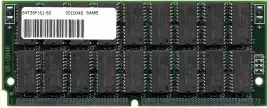
– SIMM (Single In-Line Memory Module)
∗ Smaller in length and capacity than DIMM.
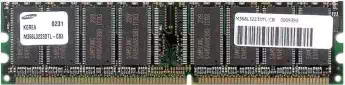
– DIMM (Dual In-Line Memory Module)
∗ Larger in length and capacity than SIMM.
– SIMM and DIMM are just packaging types only and do not affect the performance.