SenseCentral Mutual Fund Guide
What Are Technology Mutual Funds?
A beginner-friendly, structured, SEO-ready guide with practical tables, checklists, FAQs, useful resources, and further reading.
What Are Technology Mutual Funds? is a practical question because many investors are attracted to themes that sound powerful: new technology, manufacturing growth, consumption expansion, infrastructure spending, financial deepening, or healthcare demand. These ideas can be exciting, but a mutual fund is not just a story. It is a portfolio of companies, a set of risks, a cost structure, and a promise that the fund manager will follow the stated mandate.
- Table of Contents
- What Technology Funds Mean
- How These Funds Work Inside a Portfolio
- Should Beginners Invest?
- Benefits and Risks
- Checklist Before Investing
- How Much Allocation Makes Sense?
- Common Mistakes to Avoid
- Final View
- A Practical Review Process
- Useful Resources for Readers and Creators
- Creator Resource: Build and Sell Your Knowledge With Teachable
- Key Takeaways
- FAQs
- Is technology suitable for beginners?
- How much should I allocate to a sector or thematic fund?
- Should I choose a fund based only on recent returns?
- What should I check before investing?
- Is this article financial advice?
- Further Reading on SenseCentral
- References and Further Reading
For a beginner, the most important point is this: a sector or thematic mutual fund can look very attractive after it has already performed well. By the time the story becomes popular, valuations may be high and expectations may already be priced in. That does not make the fund bad, but it does mean you need a careful process before investing. This guide explains the meaning, benefits, risks, checklist, comparison points, and beginner-friendly decision rules for technology funds.
Educational note: Mutual fund investments are subject to market risks. This article is for learning and comparison purposes only and should not be treated as personalized financial advice.
Table of Contents
What Technology Funds Mean
Technology funds are mutual funds that invest in a selected sector, industry group, or investment theme instead of spreading money broadly across the whole market. The fund manager may choose companies across large cap, mid cap, and small cap segments, but the common thread is the theme itself. In simple terms, the fund is making a concentrated bet that the selected opportunity will grow faster, earn better profits, or get valued more highly by the market.
For example, the portfolio may hold companies from IT services, software, cloud, digital transformation, product engineering, platform businesses, SaaS, cybersecurity, and technology enablers. Some schemes follow a tight sector mandate, while others follow a wider theme. A sector fund is usually narrower because it focuses on one industry. A thematic fund can be wider because it may include several industries connected to the same long-term idea. AMFI describes thematic funds as funds selecting companies belonging to a theme, and it notes that they are generally more diversified than pure sector funds.
| Point | How to Think About It |
|---|---|
| Main idea | IT services, software, cloud, digital transformation, product engineering, platform businesses, SaaS, cybersecurity, and technology enablers |
| Return drivers | global technology budgets, currency movement, margins, deal wins, employee costs, adoption of automation, and digital transformation demand |
| Major risks | global slowdown, client budget cuts, currency volatility, valuation compression, rapid disruption, and business model shifts |
| Best suited for | investors who can handle global-cycle exposure and avoid assuming that every technology trend becomes a profitable investment |
| Beginner role | Usually a satellite fund, not the core of the portfolio |
How These Funds Work Inside a Portfolio
The most useful way to understand a technology fund is to see it as a portfolio tool, not as a complete investment plan. A diversified equity fund can invest across many sectors and reduce dependency on one theme. A sector or thematic fund, however, deliberately increases exposure to one area. That can improve returns when the theme is in favor, but it can also hurt badly when the same theme goes out of favor.
Many beginners see a strong one-year or three-year return and assume the fund is automatically better than a diversified fund. This is a common mistake. The fund may have benefited from a temporary re-rating, a policy announcement, a commodity cycle, or a narrow set of stocks. If you enter late, your future return may be lower than the past return shown on the factsheet.
The right question is not “Will this theme grow?” Many themes can grow. The better question is “Is the expected growth already reflected in the stock prices, and can I stay invested if the theme underperforms for two or three years?” That second question protects beginners from emotional buying and selling.
Should Beginners Invest?
Technology funds are not automatically unsuitable for beginners, but they require more discipline than broad diversified funds. They are easier to understand at the story level and harder to manage at the portfolio level. The story may be attractive, but the portfolio may be concentrated, expensive, and sensitive to one cycle.
For a beginner, these funds should generally come after core funds. A core fund is designed to do the heavy lifting of long-term wealth creation. A satellite fund is used to add a smaller, higher-conviction exposure. When beginners confuse satellite funds with core funds, they often end up with a cluttered portfolio full of overlapping themes.
The beginner-friendly rule is simple: if you cannot explain why the fund belongs in your portfolio, how long you will hold it, what would make you exit, and how much downside you can tolerate, you are probably not ready to invest in that theme.
Benefits and Risks
| Potential Benefit | Matching Risk | Beginner Action |
|---|---|---|
| Focused exposure to a powerful theme | Returns depend heavily on one area | Keep it as a satellite allocation |
| Can outperform broad funds during favorable cycles | Can underperform for long periods | Use a 5–7 year mindset, not short-term excitement |
| Professional fund management within the theme | Fund manager may still be limited by mandate | Compare holdings, benchmark, and category peers |
| Useful for investors with high conviction | Conviction may become stubbornness | Write an exit rule before investing |
Checklist Before Investing
Before investing in a technology fund, review the scheme document and latest monthly factsheet. Do not stop at the return chart. A factsheet can reveal whether the fund is truly following the theme, whether it is heavily concentrated in a few stocks, and whether it has drifted toward a different market-cap style.
- Scheme objective: Does the fund clearly define the theme or sector?
- Benchmark: Is the benchmark suitable, or is the fund being compared with an easy benchmark?
- Top 10 holdings: Are a few stocks dominating the portfolio?
- Sector split: Is the portfolio diversified within the theme or very narrow?
- Market-cap exposure: How much is in large, mid, and small cap stocks?
- Expense ratio: Is the TER reasonable for the value the fund manager provides?
- Riskometer: Does the risk level match your ability to stay invested?
- Rolling returns: Did the fund perform consistently across periods, or only in one recent cycle?
- Overlap: Does it duplicate your existing equity funds?
- Exit rule: What will you do if the theme underperforms for three years?
How Much Allocation Makes Sense?
There is no universal number that suits every investor, but beginners should avoid oversized exposure. If your core portfolio is not yet stable, the right allocation may be zero. If your core portfolio is ready, you may treat a technology fund as a satellite. This means the fund should support the portfolio, not control it.
A practical method is to decide your maximum satellite bucket first. For example, if you want 80–90% of equity investments in diversified funds, the remaining 10–20% can be used for satellites across themes, international funds, gold, or other special ideas. Within that satellite bucket, one theme should not become too large. This protects you from overconfidence after a fund performs well.
Rebalancing is also important. If the fund rises sharply and becomes a much bigger part of your portfolio, consider trimming or stopping fresh investments. If it falls, do not automatically average down unless the original thesis is still valid and the allocation remains within your risk limit.
Common Mistakes to Avoid
The biggest mistake is buying after reading headlines. By the time a theme becomes widely discussed, many stocks may already reflect optimistic expectations. Another mistake is comparing a technology fund with a broad index fund without understanding risk. A concentrated fund can beat a diversified fund during a favorable phase, but that does not prove it is safer or better for all investors.
Beginners also create overlap unknowingly. A flexi cap fund, large cap fund, and index fund may already hold major companies from the same theme. Adding a sector fund can double the exposure. This is why checking top holdings and sector exposure across the whole portfolio matters.
Finally, avoid using sector funds for short-term goals. If you need money in one or two years, volatility can damage your plan. The fund may be good, but your time horizon may be wrong.
Final View
Technology funds can add flavor to a portfolio, but they should not replace the main meal. Beginners should first build a simple, diversified mutual fund base. Only after that should they consider a small thematic allocation with clear expectations. The aim is not to own every exciting idea. The aim is to build a portfolio that survives boring markets, volatile markets, and tempting headlines.
If you decide to invest, document your reason, allocation limit, holding period, and review schedule. This written plan will help you avoid emotional decisions when returns become noisy.
A Practical Review Process
Reviewing a mutual fund should be calm and scheduled. A monthly check may be useful for recording data, but major decisions usually need a longer view. For equity funds, quarterly or half-yearly review is often more sensible than reacting to every market move. The goal of review is not to find a reason to switch; the goal is to confirm whether the original reason for holding the fund still makes sense.
Create a simple review sheet with five columns: fund role, benchmark, expense ratio, rolling return behavior, and portfolio exposure. Add one comment column for your own observation. This makes your review repeatable. When you repeat the same process every review date, you reduce the risk of emotional decisions caused by headlines, temporary underperformance, or social media excitement.
Also review the full portfolio, not only the individual fund. A fund may look fine by itself but unnecessary in the combined portfolio. If it duplicates existing holdings, increases concentration, or makes the portfolio harder to manage, it may not deserve fresh investment. A clean portfolio is easier to follow, easier to rebalance, and easier to hold during market stress.
Useful Resources for Readers and Creators
Explore Our Powerful Digital Products: Browse high-value bundles for website creators, developers, designers, startups, content creators, and digital product sellers. These resources can help you build websites, organize content, design faster, and launch digital projects with less friction.
Explore Our Powerful Digital Products
Zee Sharp: A growing suite of free online tools for productivity, development, and creativity. No sign-up. No watermarks. Just tools.
Creator Resource: Build and Sell Your Knowledge With Teachable
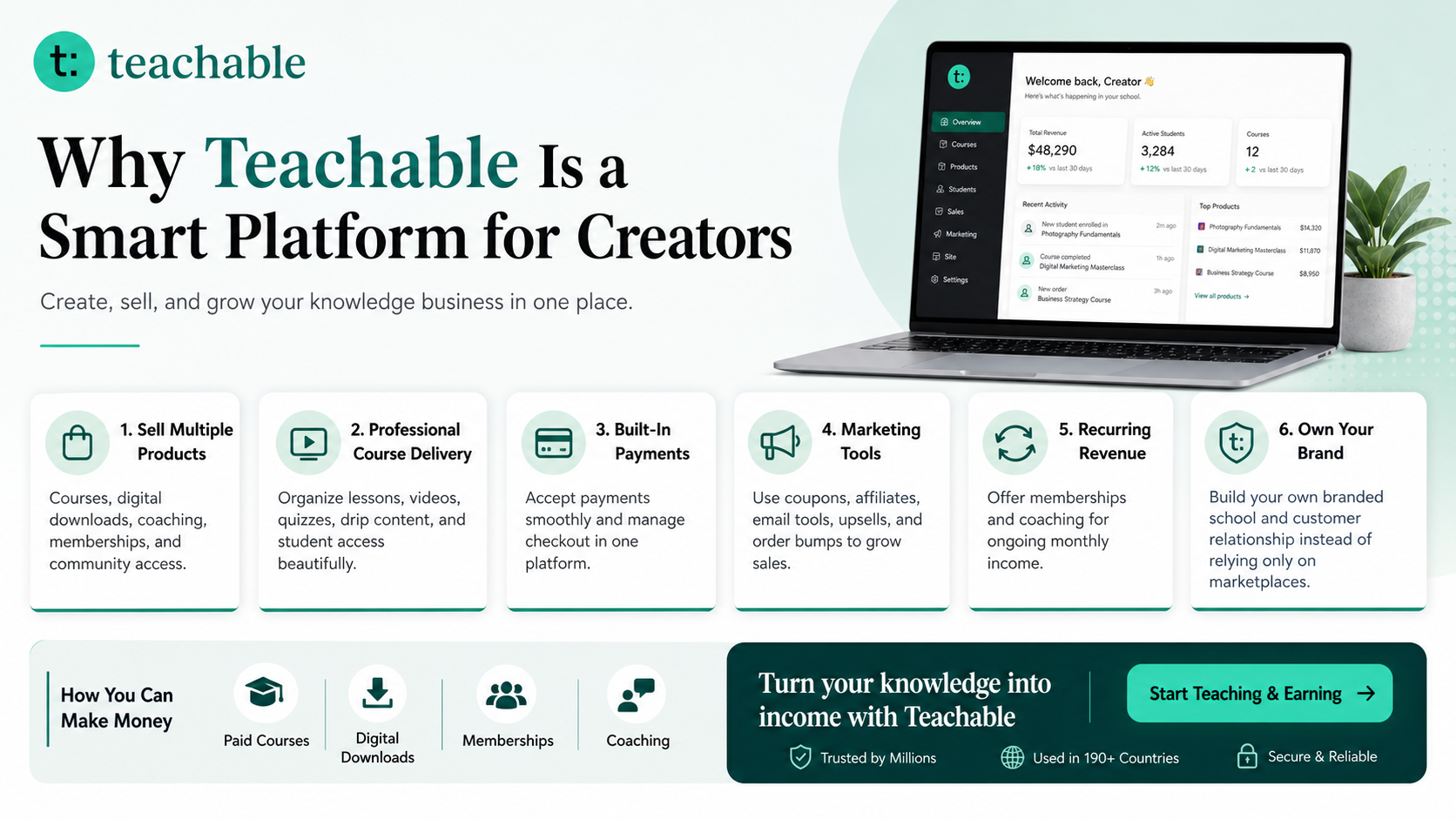
Teachable is an online platform that lets creators build, market, and sell courses, digital downloads, coaching, and memberships. It helps educators and entrepreneurs turn their knowledge into a branded digital business without needing complex coding.
Learn more: How to Make Money with Teachable: A Complete Creator’s Guide
Affiliate disclosure: Some links in this article may be affiliate links. SenseCentral may earn a commission if you purchase through them, at no extra cost to you.
Key Takeaways
- Technology funds can be useful, but they should usually be treated as satellite funds rather than the foundation of a beginner portfolio.
- The main risk is not only market volatility; it is also concentration, timing, valuation, and investor behavior.
- Check the fund factsheet, portfolio concentration, top holdings, benchmark, expense ratio, and rolling returns before investing.
- A diversified core portfolio can reduce the pressure to time sector or theme cycles perfectly.
- Beginners should avoid investing only because a theme is popular on social media or recently performed well.
FAQs
Is technology suitable for beginners?
It can be suitable only when the investor understands the risk and already has a diversified core portfolio. Beginners should avoid making it the largest part of their portfolio.
How much should I allocate to a sector or thematic fund?
Many conservative investors keep such funds as a small satellite allocation. The exact percentage depends on goals, risk tolerance, time horizon, and the strength of the core portfolio.
Should I choose a fund based only on recent returns?
No. Recent returns can be misleading because they may come from a temporary market cycle. Review rolling returns, portfolio holdings, expenses, benchmark comparison, and downside periods.
What should I check before investing?
Check the scheme objective, category, riskometer, benchmark, top holdings, sector exposure, market-cap exposure, expense ratio, exit load, and whether the fund overlaps with your existing funds.
Is this article financial advice?
No. This article is for education and research support. Please consult a qualified financial advisor before making investment decisions.
Further Reading on SenseCentral
- What Are Banking and Financial Services Funds?
- Should Beginners Invest in Banking Sector Funds?
- Should Beginners Invest in Technology Funds?
- What Are Pharma and Healthcare Funds?
- How to Build a Core Mutual Fund Portfolio
- How to Make Money with Teachable: A Complete Creator’s Guide