
What Is a Mutual Fund Scheme Document?
The important point is that official documents explain the objective, risks, costs, rules, portfolio style, and investor rights. This guide is written for beginners who want practical steps, clear comparisons and safer decision-making before investing.
Quick Answer
What Is a Mutual Fund Scheme Document? is about making a mutual fund decision that is suitable, understandable and repeatable. The important point is that official documents explain the objective, risks, costs, rules, portfolio style, and investor rights. A beginner should not rely only on last-year returns, social media recommendations or a single app ranking. The better approach is to understand the fund category, compare costs and risks, read the official documents, and decide whether the fund plays a useful role in the overall portfolio.
Think of mutual funds like tools in a toolkit. A screwdriver, a hammer and a measuring tape all have different purposes. Owning five screwdrivers does not make the toolkit more complete. In the same way, owning many funds from the same category may not improve diversification. A good portfolio is not judged by the number of schemes; it is judged by whether the schemes work together for your goals.
Why This Matters for Beginner Investors
Mutual fund documents may look boring, but they are the rulebook of the investment. A factsheet tells you what the fund currently looks like, while formal scheme documents tell you what the fund is allowed to do. Beginners who ignore documents may unknowingly buy a fund with a different objective, higher risk, exit restrictions or cost structure than they expected.
For What Is a Mutual Fund Scheme Document?, do not try to read everything like a legal expert. Instead, read with a checklist: objective, asset allocation, benchmark, risk factors, loads, expenses, fund manager details and how the strategy fits your goal.
SEBI’s mutual fund filing pages list formal documents such as SID, KIM and SAI, which makes them useful starting points for verification. The most common beginner mistake is to start with the product instead of the plan. Investors see a fund name, a five-star rating, a short-term return chart or a “best fund” list and then invest. Later they realize they do not know why the fund is in the portfolio, when to review it, whether it overlaps with other funds, or whether it is suitable for their goal.
A better process is slower at the beginning but easier later. First, define the goal. Second, choose an allocation. Third, shortlist fund categories. Fourth, compare funds inside the same category. Fifth, invest through a safe route. Sixth, review the portfolio periodically. This process reduces emotional decisions and makes it easier to stay invested during market volatility.
Step-by-Step Guide
1. Open the latest document
Use SEBI, AMC or AMFI-related official routes to find the current SID, KIM, SAI or factsheet. Avoid relying only on old screenshots or social media summaries.
2. Read the investment objective
The objective explains what the scheme is trying to do. It should match your goal and risk profile.
3. Check asset allocation and risk factors
Look for minimum and maximum allocation to equity, debt, money-market instruments, derivatives, foreign securities or commodities. These ranges tell you what the fund can legally do.
4. Review costs, exit load and benchmark
Expense ratio affects returns, exit load affects early withdrawals, and benchmark helps you judge whether the scheme is being evaluated against the right standard.
Helpful Comparison Table
The table below gives a practical way to compare the important choices related to this topic. Use it as a starting checklist, not as a final recommendation.
| Document | Full form | What beginners should look for |
|---|---|---|
| SID | Scheme Information Document | Objective, asset allocation, risks, loads, benchmark, investment strategy |
| KIM | Key Information Memorandum | Shorter summary of key scheme facts and application details |
| SAI | Statement of Additional Information | AMC, sponsor, trustee, service providers, legal and operational information |
| Factsheet | Monthly scheme snapshot | Returns, portfolio, top holdings, sector allocation, ratios and risk metrics |
Beginner Checklist Before You Invest
- Read the investment objective first.
- Check asset allocation ranges and derivatives/foreign exposure.
- Review risks, benchmark, loads and expenses.
- Compare the document with the latest factsheet.
- Save the document for future review.
After completing this checklist, write a one-line investment reason for the fund. For example: “This fund is my low-cost domestic equity core for a ten-year goal,” or “This liquid fund is for short-term parking, not wealth creation.” If you cannot write the reason clearly, wait and research more.
Common Mistakes to Avoid
1. Chasing only recent returns
Recent returns are easy to understand, but they can be misleading. A fund may look attractive because its style, sector or market-cap exposure worked recently. That does not mean it will remain the best choice for your goal. Always compare performance with risk, category, benchmark and consistency.
2. Ignoring costs and exit loads
Costs are quiet but powerful. Expense ratio is reflected in fund NAV, and exit loads can reduce returns if you redeem too early. Direct and regular plan differences, advisory fees and platform charges should be understood before investing.
3. Assuming all funds in one category are the same
Two funds may belong to the same category but have different portfolios, different risk levels and different approaches. For example, one fund may be concentrated while another is diversified. One debt fund may focus on high credit quality while another may take more credit risk for yield.
4. Forgetting tax and goal impact
Switching, redeeming or consolidating funds may create tax consequences. Before making changes, check whether the action affects your goal timeline, asset allocation and tax position. A neat portfolio is useful only if it also supports your financial plan.
Useful Tools and Resources for SenseCentral Readers
Explore Our Powerful Digital Products
Browse high-value bundles for website creators, developers, designers, startups, content creators and digital product sellers. If you are building blogs, comparison websites, digital stores or educational content, these resources can help you work faster.
Zee Sharp: Free Productivity Tools Hub
Zee Sharp is a growing suite of free online tools for productivity, development and creativity. No sign-up. No watermarks. Just practical tools you can use while researching, writing, calculating, planning and creating content.
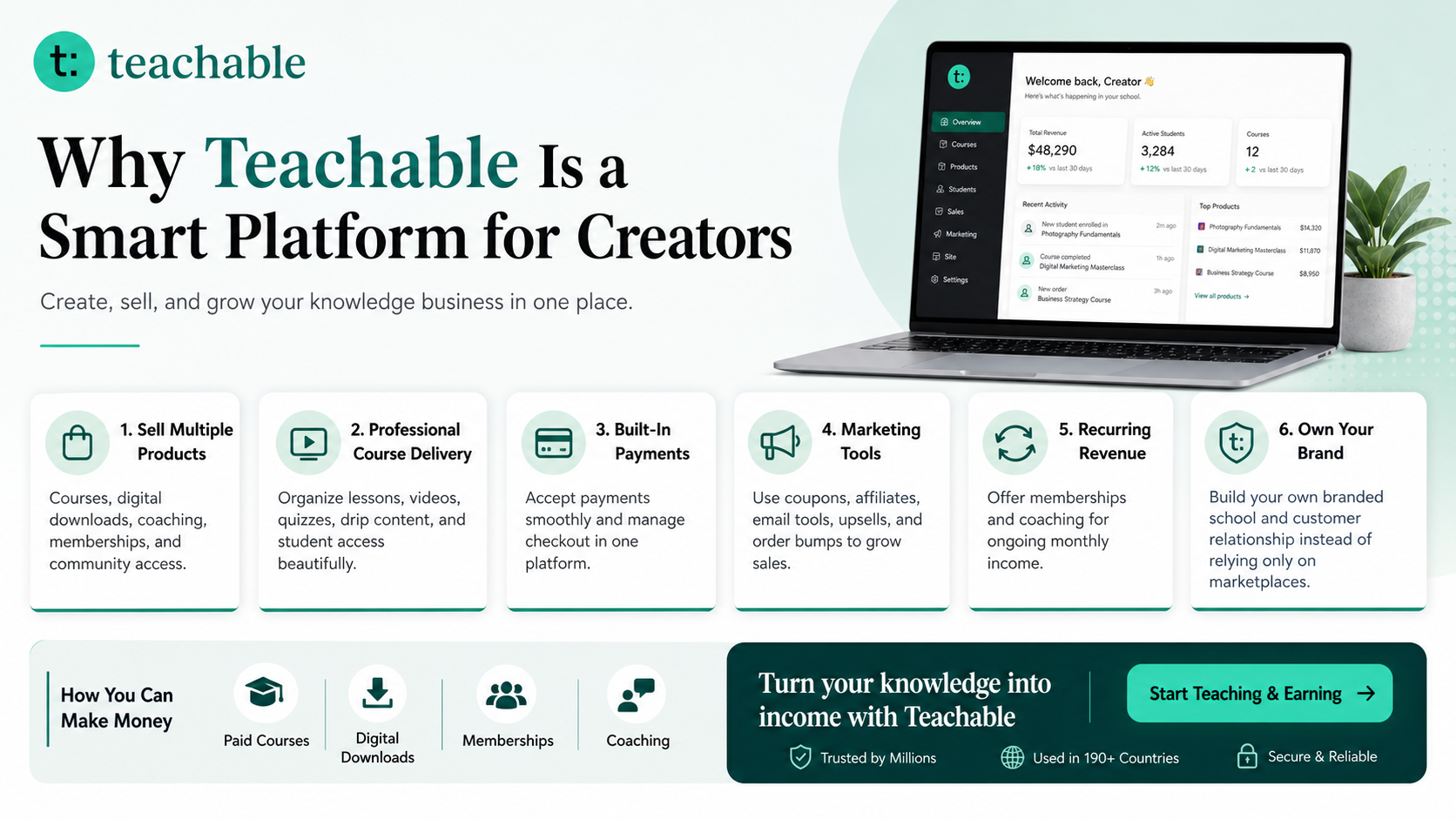
Create and Sell Your Own Knowledge Products with Teachable
Teachable is an online platform that lets creators build, market and sell courses, digital downloads, coaching and memberships. It helps educators and entrepreneurs turn their knowledge into a branded digital business without needing complex coding.
Learn more: How to Make Money with Teachable: A Complete Creator’s Guide
FAQs
Do beginners really need to read mutual fund documents?
You do not need to memorize every page, but you should understand the objective, asset allocation, risk factors, costs, exit load and benchmark before investing.
What is the difference between SID, KIM and SAI?
SID explains scheme-specific details, KIM summarizes key information, and SAI gives broader information about the fund house and operational/legal framework.
Is a factsheet enough?
A factsheet is useful for quick review, but the SID and KIM are better for understanding the scheme rules and permitted investment strategy.
How often should I check fund documents?
Check before investing, when a fund changes materially, and during annual portfolio reviews. Monthly factsheets can be used for ongoing monitoring.
Key Takeaways
- Start with the goal: Fund selection should follow goal, time horizon and asset allocation.
- Compare like with like: Compare funds within the same category, same plan type and similar time period.
- Read official information: Use SID, KIM, SAI, factsheets and official investor education resources before investing.
- Avoid unnecessary complexity: More funds, more apps and more categories do not automatically mean better diversification.
- Review periodically: A simple annual or half-yearly review is often better than daily return checking.
References and Further Reading
Internal reading from SenseCentral
- How to Read a Mutual Fund Factsheet
- Mutual Fund Factsheet Checklist for Beginners
- Why Past Returns Do Not Guarantee Future Returns
- How to Review Mutual Funds Every Year
- How to Make Money with Teachable: A Complete Creator’s Guide
External references
- SEBI Mutual Fund filings: SID, KIM and SAI
- AMFI research, NAV and fund performance resources
- AMFI Knowledge Center: Risks in Mutual Funds
This article is designed as an educational guide for SenseCentral readers. Always verify current scheme details, tax rules, expense ratios and risk information before investing.
Extra Beginner Notes
One practical habit is to maintain a small investment journal. Record the date of investment, the scheme name, the plan type, the reason for choosing it, the goal linked to it and the review date. This habit prevents random buying and makes future decisions easier.
Another useful habit is to separate “research” from “action.” You can research many funds, but you do not need to buy every fund that looks interesting. A watchlist is useful because it lets you observe funds without immediately adding complexity to your portfolio.
Finally, remember that investing success often comes from behaviour. A reasonable portfolio that you can continue for ten years may be better than a complex portfolio that you abandon during the first correction.