What Is a Watchlist?
This guide explains what is a watchlist in simple language, with examples, checklists, and mistakes to avoid. Learn key takeaways, examples, comparison tables, FAQs, mistakes to avoid, and useful resources for beginners.
Category: Portfolio Management | Updated: June 2026
Key Takeaways
- What Is a Watchlist is best understood through process, not hype.
- Beginners should connect building a stock watchlist that helps you research patiently before buying with their goals, time horizon, and risk tolerance.
- A simple checklist prevents emotional decisions and helps compare choices fairly.
- Costs, taxes, liquidity, and behavior can affect final returns as much as headline performance.
- Use official investor education resources and avoid acting on unverified social media claims.
Simple Meaning
A stock watchlist is a short list of companies you want to study, compare, and potentially buy later. It helps beginners slow down, avoid impulsive purchases, and wait for a better combination of business quality, valuation, and personal conviction. A good watchlist is not a random collection of trending stocks; it is a research workspace with notes, alerts, metrics, and reasons to revisit each company.
This guide explains what is a watchlist in simple language, with examples, checklists, and mistakes to avoid. The aim is not to give personal financial advice, but to help you understand the moving parts so you can ask better questions and make calmer decisions.
How It Works in Real Life
A portfolio is more than a list of stocks. It is a collection of decisions connected to your goals, risk tolerance, time horizon, and cash needs. Beginners who track only daily profit and loss often miss more important questions: Are you diversified? Are you overexposed to one sector? Are your original reasons still valid?
A watchlist helps you invest before emotions take over. Instead of buying immediately after seeing a headline, you add the stock to your watchlist, write down why it interests you, compare valuation, check financial quality, and set a review trigger. This converts excitement into research.
Portfolio tracking should include allocation, cost, dividends, realized gains, unrealized gains, thesis notes, and review dates. Price movement matters, but it is not the only signal. A stock can be down while the business is improving, or up while the valuation becomes too risky.
Beginner Example
Imagine you are studying this topic through the lens of a ₹10,000 learning portfolio. Instead of putting all the money into one exciting idea, you divide your decision into research, risk limit, timing, and review. For building a stock watchlist that helps you research patiently before buying, the practical question is not whether the idea sounds smart; it is whether your process protects you if your first assumption is wrong.
For example, a beginner may see a stock or fund mentioned online and feel pressure to act immediately. A better approach is to add it to a watchlist, read the latest financial information, compare alternatives, estimate costs and taxes, and write down a clear reason. If the reason still makes sense after a cooling-off period, the decision is likely to be calmer and more informed.
This example is intentionally simple. Real investing involves uncertainty, but a written process turns uncertainty into manageable questions. The more you repeat that process, the less you depend on luck, social media excitement, or short-term price movement.
Helpful Comparison Table
Step-by-Step Guide for Beginners
- Define the goal: Decide whether this decision is for learning, long-term wealth, income, tax planning, or short-term parking of money.
- Check your time horizon: A one-month need, a one-year goal, and a ten-year goal should not use the same product or strategy.
- Understand the instrument: Know whether you are buying an individual stock, mutual fund, ETF, bond-like product, or cash-equivalent fund.
- Evaluate risk before return: List the top three things that can go wrong and how much damage each could cause.
- Compare alternatives: Do not judge one stock or fund in isolation; compare it with peers, index options, and doing nothing.
- Estimate costs and taxes: Include brokerage, spreads, expense ratios, exit loads, and tax treatment where applicable.
- Write a decision note: Record why you are investing, what would make you add more, what would make you sell, and when you will review.
- Start small if learning: Beginners can reduce emotional pressure by starting with a size that allows mistakes without financial stress.
- Review calmly: Use scheduled reviews instead of reacting to every headline or price tick.
- Improve the process: After every decision, ask what you learned and how your checklist should change.
Common Mistakes to Avoid
- Buying only because the price has fallen or recently risen.
- Confusing a good company or good fund with a good price.
- Ignoring debt, liquidity, taxation, and transaction costs.
- Following tips without verifying the source, registration, or evidence.
- Checking investments so frequently that normal volatility feels like an emergency.
- Concentrating too much money in one stock, sector, theme, or fund category.
- Changing the investment story after the price moves against you.
- Selling winners too early and holding weak investments only because you do not want to accept a mistake.
The easiest way to avoid these mistakes is to slow down. A written checklist, a review calendar, and a small learning position can protect beginners from the emotional pressure that comes with real money.
Beginner Checklist
- I understand what I am buying and how it can make or lose money.
- I know the expected time horizon and the reason this fits my goal.
- I have checked costs, taxes, liquidity, and exit rules.
- I have compared at least two alternatives.
- I know what would make me review, add, hold, or exit.
- The position size is small enough that I can think clearly.
- I am using a regulated platform and avoiding guaranteed-return claims.
- I have saved notes and documents for future review.
A Practical Framework to Remember
For what is a watchlist, remember the four-part framework: quality, price, risk, and behavior. Quality asks whether the asset is fundamentally sound. Price asks whether the expected return justifies the valuation. Risk asks what can go wrong and how much it can hurt you. Behavior asks whether you can actually follow the plan during volatility.
Most beginner losses do not come from lack of intelligence. They come from rushing, copying others, ignoring costs, overconfidence after a few wins, or panic after a few losses. A calm investor accepts that no method works all the time. The goal is to make decisions that are reasonable before the outcome is known.
Another useful habit is separating learning money from serious goal money. Learning money is used to practice analysis and understand market behavior. Serious goal money should be invested only after you have a proper emergency fund, clear time horizon, and suitable diversification. This separation reduces stress and helps you learn without risking your financial stability.
Finally, measure progress by the quality of your process, not only by short-term profit. A good decision can lose money temporarily, and a bad decision can make money by luck. Over time, a repeatable process is more valuable than one lucky trade.
Useful Resources for Readers, Creators, and Website Owners
Learning investing is powerful, but turning your knowledge into useful content, tools, templates, and digital products can create another long-term opportunity. The following resources are included as helpful affiliate/resource recommendations for SenseCentral readers.
Explore Our Powerful Digital Products
Browse high-value bundles for website creators, developers, designers, startups, content creators, and digital product sellers.
Zee Sharp Productivity Tools
A growing suite of free online tools for productivity, development, and creativity. No sign-up. No watermarks. Just tools.
Create and Sell Your Own Investing Course with Teachable
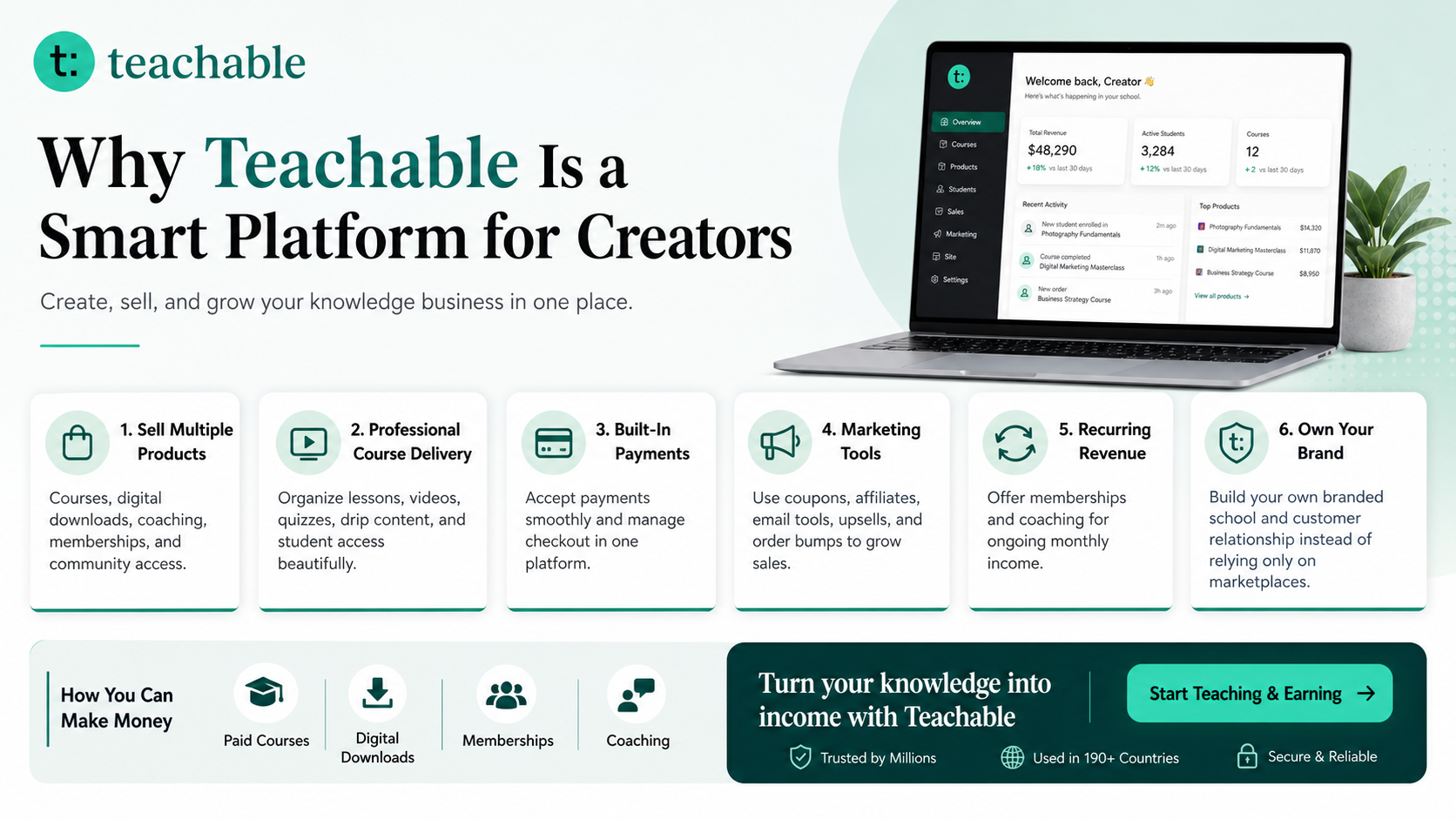
Teachable is an online platform that lets creators build, market, and sell courses, digital downloads, coaching, and memberships. It helps educators and entrepreneurs turn their knowledge into a branded digital business without needing complex coding.
How to Make Money with Teachable: A Complete Creator’s Guide
FAQs
Why is what is a watchlist important for beginners?
It helps beginners create structure, compare choices, and avoid emotional decisions.
How much money should a beginner start with?
Start with an amount that does not disturb your emergency fund, essential expenses, or peace of mind.
Should beginners invest directly in stocks?
Some can, but many beginners start with diversified funds while gradually learning stock research.
How often should I review my investments?
For long-term goals, monthly tracking and quarterly deeper reviews are usually more useful than checking prices every hour.
What is the best beginner habit?
Write down why you are investing, what you expect, what could go wrong, and when you will review the decision.
Further Reading on SenseCentral
Useful External Links
References
- SEC Investor.gov – Introduction to Investing
- SEC Investor.gov – Stocks FAQ
- SEBI Investor Education
- SEC Investor.gov – Red Flags of Investment Fraud
Disclaimer: This article is for educational purposes only and is not financial, investment, legal, or tax advice. Always verify current rules and consult a qualified professional for personal decisions.