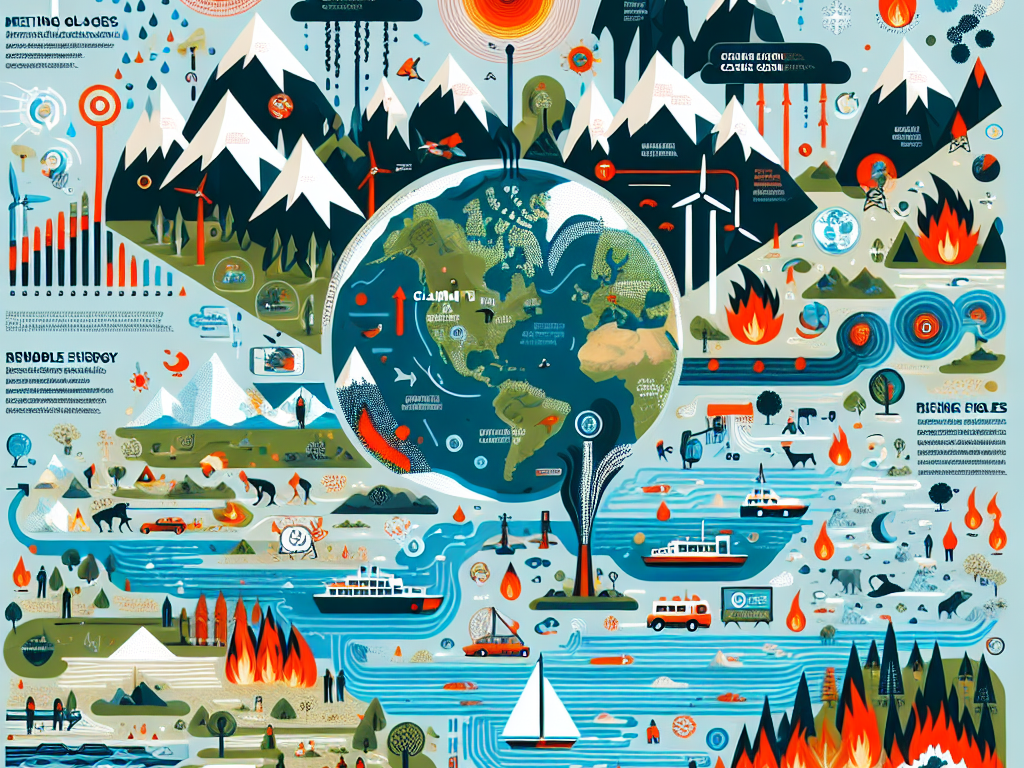
Climate change is an undeniable reality in our world today, impacting every facet of our lives. From rising temperatures and erratic weather patterns to disastrous floods and droughts, the effects of climate change are far-reaching and all-encompassing. Yet, there remains a lack of awareness about the severity of the issue and the solutions available to us. As we delve deeper into this critical phenomenon, we aim to unravel its intricate implications and arm you with actionable steps to combat it. Come, join us in this enlightening journey towards understanding and mitigating climate change.
Our planet is under siege, and the time to act is now. We can no longer afford to turn a blind eye to the pressing threat of climate change. But hope is not lost. We’re here to guide you towards comprehending the severity of climate change, but more importantly, emphasizing the solutions at our disposal. We all have the power to make a difference, and this article will empower you to do just that. So, buckle up and get ready to dive into the world of climate change, its impact on us and our beloved earth, and how we can rise to the challenge to save it.
Table of contents
- Introduction
- Unraveling the Complexities of Climate Change: An In-depth Look
- Deciphering the Devastating Impact of Climate Change
- Climate Change: Comprehensive Solutions for a Sustainable Future
- How We Can Mitigate the Effects of Climate Change
- Climate Change Adaptation: A Key Component of our Environmental Strategy
- Conclusion
Unraveling the Complexities of Climate Change: An In-depth Look
- Unraveling the Complexities of Climate Change: An In-depth Look
- Deciphering the Devastating Impact of Climate Change
- Climate Change: Comprehensive Solutions for a Sustainable Future
- How We Can Mitigate the Effects of Climate Change
- Climate Change Adaptation: A Key Component of our Environmental Strategy
- Frequently Asked Question
- What is the Current Impact of Climate Change on the Planet?
- How does Climate Change Affect Human Life?
- What are some Potential Solutions to Climate Change?
- How can Individuals Help Combat Climate Change?
- Why is it Necessary to Understand the Impact of Climate Change?
- Conclusion
Climate change is a phenomenon that has been a topic of global concern for quite some time now. It presents itself in various ways – from melting ice caps to increasing global temperatures. However, its complexity lies not only in its diverse manifestations but also in the intricacies behind what causes it and how it impacts our planet.
Our Earth functions like a massive, intricate machine, with each part playing a vital role in maintaining a balanced environment. When one element goes off-kilter, it can set off a domino effect, leading to drastic changes in our climate. One major contributor to this imbalance is the increasing amount of greenhouse gases in our atmosphere, primarily due to human activities such as burning fossil fuels and deforestation.
These gases trap heat from the sun, causing global temperatures to rise – a phenomenon known as global warming. This, in turn, leads to a cascade of effects, including melting ice caps, rising sea levels, and more frequent and severe weather events. These alterations pose significant threats to both human and wildlife populations, endangering our ecosystems, health, and economies.
However, understanding the complexities of climate change is just the first step. It’s equally pivotal to identify and implement effective solutions to counteract this global issue. From transitioning to clean, renewable energy sources to implementing sustainable practices in our daily lives, every action counts. It’s a collective effort, one that requires the participation of every individual, community, and nation.
Deciphering the Devastating Impact of Climate Change
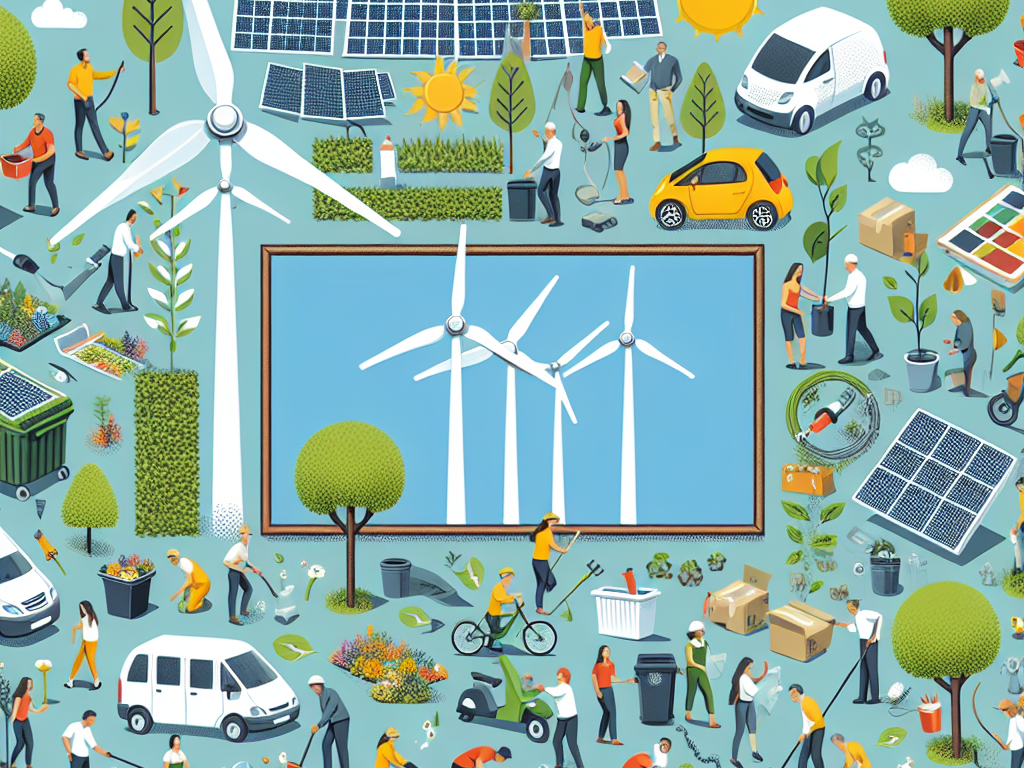
The devastating impact of climate change is impossible to ignore. We face rising global temperatures, with 2020 being one of the hottest years on record. This warming trend is not just a peak on a graph; it’s a warning sign. It signals a change in our planet’s climatic patterns, capable of creating irreversible damage if left unchecked.
Climate change doesn’t just mean hotter summers. Its effects are far-reaching and manifest in various ways. Rising sea levels have become a significant cause of concern, threatening coastal communities with increased flooding and erosion. Glacial melt is another troubling consequence, threatening our freshwater resources.
The biological diversity of our planet is also suffering. Many species struggle to adapt to the rapid changes, leading to a decline in population and sometimes, extinction. Changes in weather patterns have also led to more frequent and severe natural disasters, endangering human lives and infrastructure.
Such drastic changes are not just environmental issues. They pose serious implications for human health, agriculture, and economy. The time to act is now if we hope to mitigate these impacts and safeguard our future. There’s no denying that the stakes are high, but understanding the impacts of climate change is the first step towards finding a solution.
Climate Change: Comprehensive Solutions for a Sustainable Future
In the face of a global crisis, comprehensive solutions are necessary to combat climate change and ensure a sustainable future. Achieving this can be daunting, yet certainly not impossible — particularly if we are committed to making significant changes in our daily lives. We need to understand that our everyday activities, like driving cars, producing goods, or even burning wood, can contribute to the rising levels of greenhouse gases. These gases trap heat in the atmosphere, leading to global warming, a major aspect of climate change.
Embracing renewable energy is one of the most effective steps we can take. Solar, wind, and hydroelectric systems generate electricity with a significantly lower environmental impact compared to fossil fuels. Adopting these alternatives can reduce our carbon footprint and pave the way for a greener, more sustainable future. Furthermore, energy-efficient practices, such as using LED lights or energy-smart appliances, contribute to reducing the overall energy demand.
However, solutions go beyond personal actions. Governments, corporations, and organizations need to collaborate and take more robust measures. These may include implementing strict environmental regulations, investing in renewable energy technologies, enforcing sustainable agricultural practices, and promoting circular economy concepts.
Remember, fighting climate change is not a one-man battle. It requires collective action. By understanding its impacts and embracing comprehensive solutions, we can indeed make strides toward a sustainable future.
How We Can Mitigate the Effects of Climate Change
As global citizens, there are various ways we can help mitigate the effects of climate change. One of the most effective methods is by reducing our carbon footprint. This can be achieved through small, everyday changes such as using renewable energy sources, recycling and reducing waste, and making sustainable transportation choices.
Switching to renewable energy sources like solar or wind power can significantly lower greenhouse gas emissions. By opting for these sources instead of traditional fossil fuels, we can make a considerable difference in the fight against climate change.
Recycling and reducing waste is another way to combat climate change. By recycling, we can lower the amount of waste in landfills which contributes to greenhouse gas emissions. In addition, adopting a minimalist lifestyle can also help in reducing our carbon footprint.
Finally, choosing sustainable transportation methods such as cycling, walking or using public transit can also help in reducing carbon emissions. Cars and other vehicles contribute a significant percentage of global greenhouse gas emissions. Therefore, by opting for greener transport options, we can help in mitigating the effects of climate change.
In conclusion, each one of us has a role to play in the fight against climate change. By making small changes in our everyday lives, we can help in reducing the effects of this global crisis.
Climate Change Adaptation: A Key Component of our Environmental Strategy
Climate change adaptation is an integral element of our environmental strategy. This refers to the adjustments in our ecological, social, and economic systems in response to the reality of climate change. The goal is to mitigate the harm and capitalize on any potential benefits. It’s not solely about survival, but also about finding ways to thrive in our changing environment.
Adaptation goes beyond mere reactions to temperature changes. It involves anticipating the effects of climate change and taking appropriate action to prevent or minimise the damage they can cause, or seizing opportunities that may arise from these changes. This strategy requires understanding the intricate dynamics of our planet and incorporating them into our plans.
Various sectors of society have a role to play in climate change adaptation. From government policies to corporate sustainability practices, from community initiatives to individual lifestyle changes, every action counts. Implementing adaptation measures could mean building flood defenses, planting heat-resistant crops, or even designing cities to reduce heat absorption.
However, adaptation is not a substitute for reducing greenhouse gas emissions. While it is crucial to adapt to changes that are already happening, we must also work towards slowing down the rate of global warming. This dual approach—mitigating future climate change while adapting to its current effects—forms the backbone of our environmental strategy.
Frequently Asked Question
What is the Current Impact of Climate Change on the Planet?
Climate change has far-reaching effects on the environment, wildlife, and human life. Some of these impacts include rising global temperatures, melting ice caps, increased prevalence of wildfires, and more frequent and severe weather events. These effects are interconnected and can lead to devastating chain reactions. For example, rising temperatures can cause extreme weather conditions such as droughts and hurricanes. It’s essential to understand these impacts to find effective solutions for climate change.
How does Climate Change Affect Human Life?
Climate change directly affects human life in numerous ways, including health issues, economic impacts, and displacement. Rising temperatures contribute to heat-related illnesses and conditions, as well as the spread of disease-carrying insects. Economically, climate change can affect industries such as agriculture and fishing, leading to job loss and food shortages. Furthermore, extreme weather events can lead to displacement, forcing people to leave their homes. Hence, finding solutions for climate change is not just an environmental issue, but a human issue too.
What are some Potential Solutions to Climate Change?
Addressing climate change requires a multifaceted approach. This includes reducing greenhouse gas emissions, transitioning to renewable energy sources, and implementing sustainable practices in various industries. Additionally, reforestation and conservation efforts can help restore natural carbon sinks, such as forests and oceans. Individual actions, such as reducing waste and conserving energy, also play a vital role. Understanding the impact of climate change can help us find innovative and effective solutions.
How can Individuals Help Combat Climate Change?
Individuals can make a significant impact in combating climate change. Simple actions such as recycling, reducing waste, conserving energy, and eating less meat can help reduce greenhouse gas emissions. Additionally, supporting renewable energy initiatives and voting for politicians who prioritize environmental policies can make a difference. It’s important to remember that every action counts when it comes to finding solutions to climate change.
Why is it Necessary to Understand the Impact of Climate Change?
Understanding the impact of climate change is crucial for several reasons. Firstly, it helps us recognize the urgency and severity of the issue. Secondly, it allows us to identify the regions and communities most at risk. Finally, understanding the impacts can guide us in developing effective strategies and solutions. By understanding climate change, we can take informed action towards safeguarding our planet.
Conclusion
In conclusion, climate change is a pressing concern that has far-reaching impacts on our planet and our lives. Its effects range from altering weather patterns to threatening food production, and from exacerbating wild and unpredictable natural disasters to endangering countless species. However, the good news is, we have the power to mitigate these challenges. By using renewable energy, reducing greenhouse gas emissions, and promoting sustainable practices, we can make a considerable difference. It is crucial for everyone to understand the gravity of the situation and contribute towards solutions in any way possible. The fight against climate change necessitates global cooperation, and every small step counts towards creating a healthier and more sustainable world.