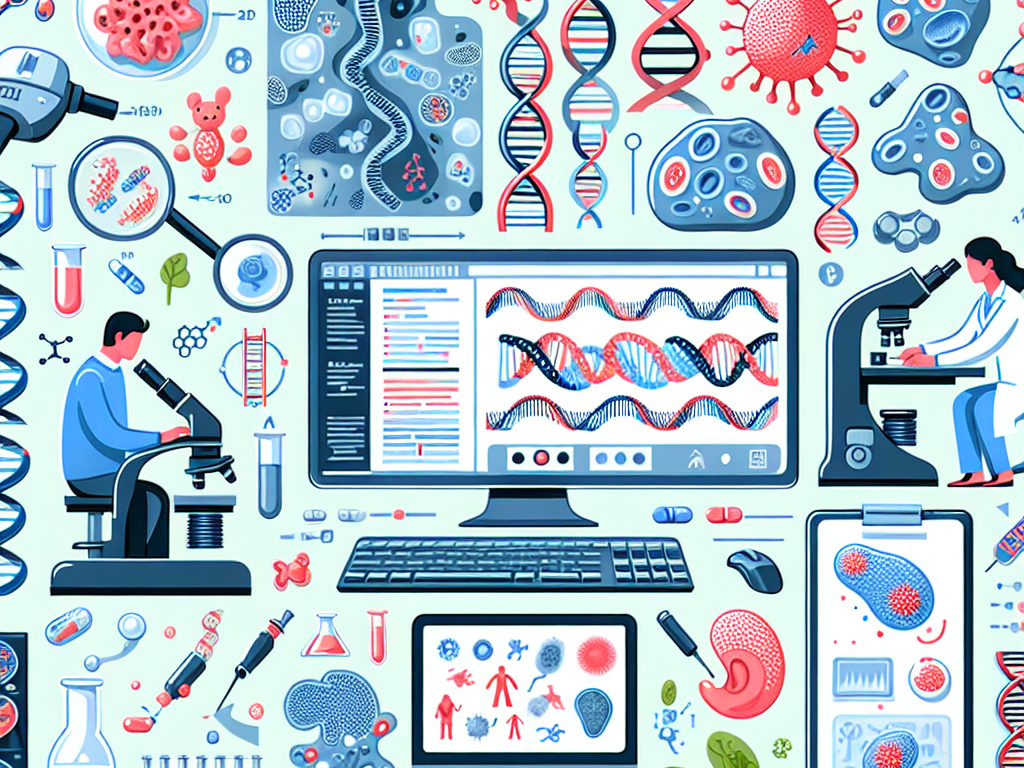
Imagine possessing the ability to modify the very building blocks of life—our genes. Welcome to the captivating world of genetic engineering, where scientific advancements are revolutionizing our understanding of life itself. This groundbreaking field offers us the power to rewrite DNA, paving the way for monumental medical breakthroughs and agricultural advancements. But how exactly does it work? And what potential does it hold for our future?
Your curiosity may be piqued, and rightly so. Genetic engineering is no simple subject. However, by the end of this article, you’ll have a solid understanding of its principles and applications. From its potential in curing genetic diseases to its role in producing genetically modified crops, we’ll delve into the fascinating intricacies of this revolutionary science. So, buckle up and get ready to embark on an enlightening journey through the mesmerizing world of genetic engineering!
Table of contents
Exploring the Intricacies of Genetic Engineering

- Exploring the Intricacies of Genetic Engineering
- Unraveling the Mysteries: How Genetic Engineering Works
- Genetic Engineering: A New Frontier in Modern Medicine
- Impacts and Controversies Surrounding Genetic Engineering
- Future Prospects of Genetic Engineering: A Deep Dive
- Frequently Asked Question
- What is the Concept of Genetic Engineering?
- How Does Genetic Engineering Work?
- What are the Potential Benefits of Genetic Engineering?
- Are there any Risks Associated with Genetic Engineering?
- What is the Future of Genetic Engineering?
- Conclusion
Delving into the world of genetic engineering is like opening a captivating mystery novel. This modern science technique is a testament to how far we’ve advanced in our understanding of genetics. Imagine being able to tweak genes, the building blocks of life, to enhance desirable traits or suppress harmful ones. This is the essence of genetic engineering.
At a basic level, genetic engineering involves manipulating an organism’s DNA to achieve a specific outcome. Stemming from the field of molecular biology, it has opened the door to countless possibilities in medicine, agriculture, and environmental conservation. For instance, genetically modified crops can resist diseases, yield more produce, and even withstand harsh weather conditions.
The process isn’t as simple as it sounds, though. There are numerous intricate steps involved which require precision and expertise. Here’s how it typically works:
– Isolating the DNA from an organism
– Modifying or removing certain genes from this DNA
– Inserting the modified DNA back into the organism
– Allowing the organism to reproduce, carrying the new traits forward.
However, it’s crucial to note that while genetic engineering holds immense potential, it also opens up ethical and safety debates. As we continue to explore this fascinating world, it’s vital that we also consider the implications and responsibility that come with such power.
Unraveling the Mysteries: How Genetic Engineering Works
The art of genetic engineering might appear complex, yet its basics are relatively straightforward to comprehend. Essentially, it’s the science of modifying the genetic code of living beings, almost like an intricate form of biological origami. Scientists use various methods to alter this code, pinpointing specific genes and either removing, replacing, or adding to them.
Imagine a pair of scissors, not your regular household pair, but molecular ones. These “scissors” called endonucleases, cut the DNA at the desired location. Now, the interesting part begins. The cut DNA is amended by either adding a new gene, replacing the existing gene, or removing it altogether. This is the core of how genetic engineering works.
But how do scientists know which genes to target? Every gene holds a unique purpose, from determining your hair color to controlling critical body functions. Experts study these genes and their functions meticulously before deciding which to adjust. Once the changes are made, they can have a profound impact on the organism, providing new traits or functionalities.
Genetic engineering, in its essence, is like a master sculptor molding life. It’s an equally awe-inspiring and tentative craft, with incredible potential to change the world as we know it. From creating tailor-made crops able to resist pests and harsh weather conditions to potentially curing genetic disorders, the possibilities are truly limitless.
Genetic Engineering: A New Frontier in Modern Medicine
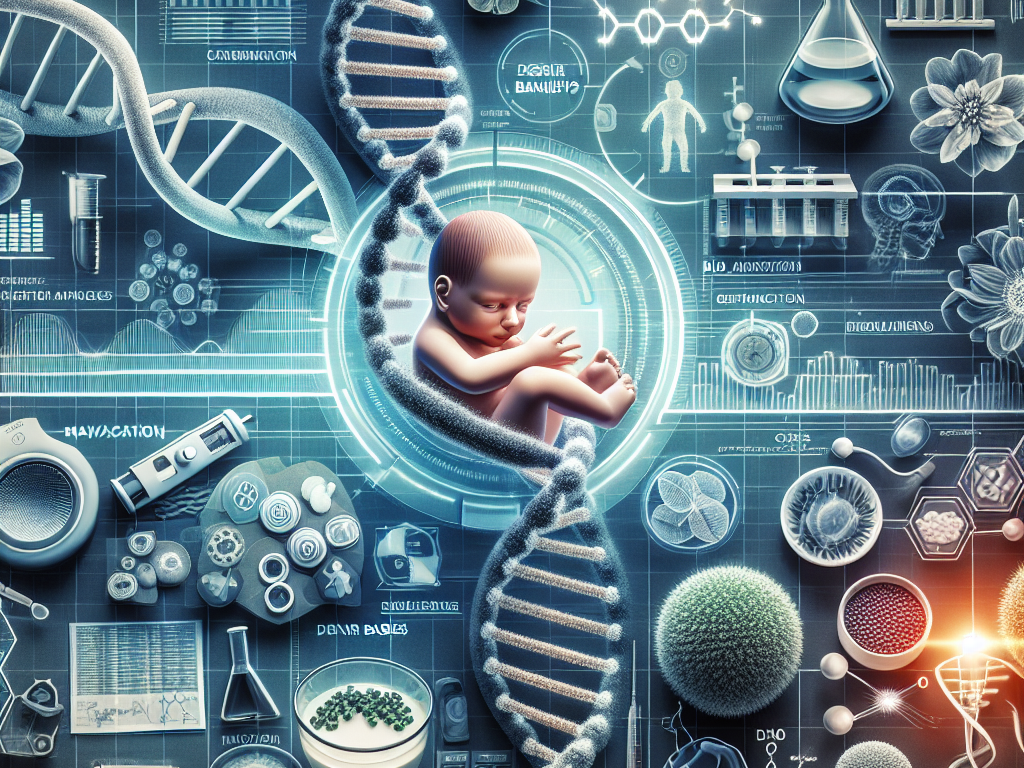
Genetic engineering stands as a beacon of innovation in the field of modern medicine. A relatively new science, it has quickly become an essential tool for medical professionals worldwide. This bold frontier is revolutionizing the way we approach health and well-being, offering unprecedented possibilities.
Genetic engineering involves manipulating genes, the tiny instructions within our cells that dictate how organisms grow and function. By tweaking these genes, scientists can create new treatments for a plethora of diseases. Imagine a world where inherited illnesses are a thing of the past, thanks to the wonders of genetic engineering.
In addition to treating diseases, genetic engineering also holds the potential to enhance human capacities. From increasing intellect to strengthening physical abilities, the possibilities are astounding. The medical community is excited about the potential this field holds, and the achievements we’ve seen so far are just the tip of the iceberg.
Despite the promising prospects, genetic engineering also calls for careful ethical considerations and rigorous scientific scrutiny. The science is complex, but the potential rewards are undoubtedly immense. As we stand on the brink of this new frontier, the future of modern medicine looks brighter than ever.
Impacts and Controversies Surrounding Genetic Engineering
Genetic engineering, despite its many promising benefits, has raised significant debates worldwide. The ability to manipulate genes to achieve desired traits has posed both thrilling and chilling prospects.
On one hand, the promise of eradicating devastating genetic diseases, enhancing agricultural yields, and even combating climate change is exciting. For instance, the introduction of genetically modified organisms (GMOs) in agriculture has resulted in crops that are more resistant to pests and harsh environmental conditions, significantly boosting food security.
However, the practice is not without its downsides. The fear of creating ‘designer babies’ with selected attributes has raised ethical concerns. Similarly, there are fears about the potential risks associated with GMOs, including biodiversity loss and unforeseen health impacts. Critics also argue that the technology could be misused in the wrong hands, leading to devastating consequences.
As a society, we must find a balance between harnessing the potential benefits of genetic engineering and mitigating its risks. The ongoing dialogue surrounding this topic will play a crucial role in shaping the future of this fascinating field.
Future Prospects of Genetic Engineering: A Deep Dive
The future of genetic engineering holds boundless potential. Over the past few years, we’ve seen rapid growth in this field, opening doors to incredible new possibilities. Imagine orchards of disease-resistant crops, or the eradication of inherited illnesses.
One of the most exciting prospects is the potential to treat or even cure genetic diseases. Using techniques like CRISPR, scientists could alter harmful genes, changing the lives of millions who suffer from conditions like cystic fibrosis or Huntington’s disease.
Moreover, genetic engineering could revolutionize agriculture. By making crops resistant to pests, diseases, and harsh weather conditions, we could significantly increase global food production. This could be a decisive factor in tackling world hunger.
Another promising avenue is the development of biofuels. Genetically engineered organisms could provide a sustainable and environmentally friendly alternative to fossil fuels, playing a crucial role in combating climate change.
However, the future of genetic engineering isn’t without controversy. Ethical concerns about designer babies, superhumans, and the potential misuse of this technology raise serious questions that society must address. Despite the challenges, the potential benefits of genetic engineering are too significant to ignore.
Frequently Asked Question
What is the Concept of Genetic Engineering?
Genetic engineering, often referred to as genetic modification, is a fascinating field that utilizes biotechnology to manipulate the genes of living organisms, including plants, animals, and humans. Through the implementation of various laboratory techniques, scientists are able to add, remove, or alter genetic material, granting them the power to develop disease-resistant crops, create animals with desirable traits, and even potentially eliminate genetic disorders in humans.
How Does Genetic Engineering Work?
The process of genetic engineering involves the use of recombinant DNA technology. This technology enables scientists to manipulate an organism’s DNA by adding, removing, or altering genes. The adjusted DNA is then returned to the organism, which can then pass the modified genes to successive generations. Its application ranges from improving crop yield to the production of synthetic insulin.
What are the Potential Benefits of Genetic Engineering?
The multitude of benefits offered by genetic engineering is as diverse as the technique itself. It has the potential to revolutionize the agriculture and medical industries. On the agricultural front, genetically-modified crops can be designed to resist pests and harsh weather conditions, increasing yield and reducing reliance on pesticides. In the medical field, genetic engineering has the potential to eradicate genetic diseases and create personalized treatment plans by understanding an individual’s genetic makeup.
Are there any Risks Associated with Genetic Engineering?
Despite its many benefits, genetic engineering also carries certain risks. There are concerns about the ethical implications of manipulating genetic material, potential negative effects on biodiversity, and the unpredictable consequences that can come from creating genetically modified organisms. Additionally, there are fears that genetically modified crops could cross-pollinate with wild relatives, leading to far-reaching ecological impacts.
What is the Future of Genetic Engineering?
The future of genetic engineering looks promising, with ongoing advancements in CRISPR technology leading the way. CRISPR, or Clustered Regularly Interspaced Short Palindromic Repeats, is a revolutionary gene-editing tool that allows for precise, directed changes to genomic DNA. It holds the potential to change the face of medicine, agriculture, and ecology, among other fields. While there are still many ethical and procedural hurdles to overcome, the possibilities are truly exciting.
Conclusion
In conclusion, the world of genetic engineering is indeed a fascinating one. It opens up endless possibilities in the fields of medicine, agriculture, and industrial biotechnology. By altering the genetic makeup of organisms, we can create innovative solutions to some of our most pressing challenges. However, it’s also important to consider the ethical and legal implications of this transformative technology. As we continue to explore and perfect genetic engineering, it promises to reshape our future, offering exciting opportunities and challenges alike.