How to Start Paying Debt After Ignoring It
Debt can feel heavy long before you calculate the numbers. For someone who has avoided messages or statements, the hardest part is often not the payment itself; it is the emotional weight around avoidance. This guide is designed to help you start with calm, practical steps instead of guilt, panic, or unrealistic promises.
- Why This Debt Step Matters
- Key Takeaways
- Quick-Start Debt Reset Table
- Step-by-Step Debt Payoff Plan
- Step 1: Create a private, judgment-free debt list
- Step 2: Separate urgent debts from normal payoff debts
- Step 3: Protect minimum payments
- Step 4: Choose your first target debt
- Step 5: Find one extra-payment source
- Step 6: Track every payment
- Debt Payoff Method Comparison
- Create a Simple Weekly Debt Routine
- Common Mistakes to Avoid
- Waiting until you feel ready
- Using all savings for debt
- Opening new installment plans
- Hiding debt from the people affected by it
- Quitting after one mistake
- Useful Resources and Affiliate Tools
- Explore Our Powerful Digital Products
- Free Productivity Tools: Zee Sharp
- Creator Income Resource: Teachable
- Further Reading on SenseCentral
- FAQs
- What is the first thing I should do if debt feels embarrassing?
- Should I use the debt snowball or debt avalanche method?
- Can small payments really help?
- Should I save money while paying off debt?
- What if I fall behind again?
- How do I stay debt-free after payoff?
- References and Useful External Reading
The purpose of this post is simple: help you how to Start Paying Debt After Ignoring It by building a plan that works in real life. You do not need a perfect budget, a huge salary, or a dramatic lifestyle change on day one. You need a clear starting point, a small repeatable action, and a way to protect yourself from new debt while the old debt is being reduced.
Use this article as a practical checklist. You can apply the same ideas whether you track money in rupees, dollars, or another currency. The numbers may change, but the system stays the same: know what you owe, choose one priority, make payments consistently, track progress, and build habits that make borrowing less necessary over time.
Why This Debt Step Matters
Debt repayment is not only a math problem. It is also a behavior problem, a confidence problem, and sometimes a communication problem. When guilt takes over, people often delay checking balances, avoid calls, make random payments, or keep using credit because the situation already feels broken. That is why the first goal is not perfection. The first goal is movement.
For this topic, the most useful first action is to open the latest statement and record only the balance. That may sound small, but small actions lower resistance. Once you complete one honest step, the next step becomes easier. The benefit is that you can restart without punishing yourself for the past instead of staying stuck in vague worry.
A clear debt plan also prevents wasted effort. Many people pay whatever is due, whenever they remember, without knowing which balance is growing fastest or which account creates the most stress. A plan turns scattered payments into a strategy. It also helps you say no to expenses that look small today but delay freedom later.
Key Takeaways
- Start with facts, not shame. Write down balances, interest rates, due dates, and minimum payments before choosing a payoff method.
- Protect minimum payments first. Late fees and penalties can make debt repayment harder, so keep minimums current when possible.
- Choose one target debt. Extra money works better when it is focused instead of spread thinly across every account.
- Use small extra payments. Tiny amounts from grocery savings, subscription cuts, or bonus income can build momentum when repeated.
- Track progress visually. A chart, spreadsheet, calendar, or printable tracker helps you see progress before the final payment arrives.
- Avoid new borrowing. Debt payoff becomes permanent only when your spending rules change alongside your payment plan.
Quick-Start Debt Reset Table
Before choosing a debt strategy, use this simple table to organize the most important information. You can copy it into a notebook, spreadsheet, printable planner, or free online tool.
| Area | What to Write Down | Why It Helps |
|---|---|---|
| Debt list | Balance, interest rate, minimum payment, due date | Gives you a full picture before choosing a strategy |
| Minimum-payment baseline | Total minimum payments for the month | Protects your accounts while you attack one target |
| Extra-payment source | Subscription cut, grocery saving, bonus income, side income, or small daily saving | Creates payoff money without guessing |
| Chosen method | Snowball, avalanche, or hybrid | Turns effort into a repeatable plan |
| Progress tracker | Payments made, balance change, and milestone rewards | Keeps motivation alive when payoff feels slow |
This table is intentionally simple because debt plans fail when they require too much maintenance. You only need enough detail to make better decisions. If you do not know an interest rate or balance today, write “unknown” and update it later. An incomplete list is better than no list at all.
Step-by-Step Debt Payoff Plan
Step 1: Create a private, judgment-free debt list
Start by writing every debt in one place. Include credit cards, personal loans, installment plans, family loans, overdue bills, medical bills, education loans, buy-now-pay-later balances, and any borrowed money you are avoiding. The goal is not to feel bad. The goal is to stop carrying the information in your head.
Use columns for creditor name, total balance, interest rate, minimum payment, due date, and account status. If you are embarrassed or afraid, do this alone first. You can talk to a partner or family member later after you understand the situation yourself.
Step 2: Separate urgent debts from normal payoff debts
Some debts need immediate attention because they affect shelter, utilities, transport, legal obligations, or essential services. Other debts are important but can be handled through a normal payoff schedule. Mark any debt that is overdue, close to collections, connected to a necessary service, or causing repeated fees.
This helps you avoid treating all debt the same. A small overdue bill with serious consequences may need attention before a larger debt that is current. Debt payoff is not about following a popular rule blindly; it is about reducing risk while building progress.
Step 3: Protect minimum payments
Minimum payments are not a great long-term strategy, but they are a useful safety line. If you can, keep every account current while directing extra money to one chosen debt. This prevents new late fees and protects your plan from becoming more complicated.
If you cannot afford all minimums, do not disappear. Contact creditors or service providers early, explain your situation briefly, and ask about hardship options, payment dates, reduced plans, or temporary arrangements. Keep notes of conversations, names, dates, and confirmation numbers.
Step 4: Choose your first target debt
There are two common ways to pick a target. The debt snowball method starts with the smallest balance to create quick wins. The debt avalanche method starts with the highest interest rate to reduce total interest cost. A hybrid method starts with one small quick win, then moves to high-interest debt.
For this post’s focus, your best target is the debt that helps you keep moving. If avoidance is the biggest barrier, a quick win may be better than a mathematically perfect plan you abandon. If interest is crushing you, the highest-rate debt may need priority. Pick a method you can actually repeat for three months.
Step 5: Find one extra-payment source
Extra payment money does not have to be huge. It can come from canceling one subscription, cooking at home twice a week, reducing shopping, selling an unused item, using cashback carefully, or assigning part of a bonus. The key rule is this: move the money to debt quickly before it disappears into normal spending.
For example, if you save ₹500 or $10 on groceries, do not leave it floating in your account. Pay it toward the target debt or move it to a debt-payment holding account. This turns savings into actual balance reduction.
Step 6: Track every payment
Debt payoff can feel slow because balances change quietly. Track the date, amount, account, and remaining balance after each payment. Over time, this creates proof that your effort matters. It also helps you spot fees, interest charges, and spending patterns that may need adjustment.
Debt Payoff Method Comparison
The best debt payoff method is the one you can continue. Use this comparison to choose a starting method without overthinking it.
| Method | Main Rule | Best For | Watch Out For |
|---|---|---|---|
| Debt snowball | Smallest balance first | You need quick wins and emotional momentum | May cost more interest if high-rate debts wait |
| Debt avalanche | Highest interest rate first | You want to reduce total interest cost | Can feel slow if the highest-rate balance is large |
| Hybrid method | One quick-win debt, then high-interest debts | You need motivation and math | Requires a little more tracking |
| Minimum-plus micro payments | Minimums plus small extra payments whenever cash appears | Income is tight or irregular | Progress can look small unless tracked |
If you are unsure, start with a hybrid approach. Pay off one small balance for motivation, then focus extra payments on the highest-interest account. This gives your brain a win and gives your budget a smarter long-term direction.
Create a Simple Weekly Debt Routine
A debt routine removes the need to make emotional decisions every day. Choose one weekly time, such as Sunday evening or payday morning, and complete the same short checklist. A routine is especially helpful when you are trying to how to Start Paying Debt After Ignoring It because it gives structure to a situation that may otherwise feel personal and chaotic.
Your 20-minute weekly checklist
- Check your bank balance and upcoming bills.
- Confirm minimum payments due in the next seven days.
- Send or schedule any extra payment to your target debt.
- Record payments in your tracker.
- Choose one spending rule for the week, such as no random shopping or two home-cooked dinners.
Keep the routine short. A long routine may look impressive, but a short routine is easier to repeat. Debt freedom is built by repeated ordinary actions, not by one perfect planning session.
Use visual progress to stay engaged
Debt numbers can be emotionally flat. A ₹1,000 or $25 payment may not feel exciting when the balance is large. Visual tracking solves this problem. Create a grid with 100 boxes, a payoff thermometer, a monthly bar chart, or a calendar where you mark every payment day. Each mark reminds you that you are not standing still.
Small rewards can also help. Choose rewards that do not create new debt: a movie night at home, a walk with a friend, a favorite homemade meal, a free local activity, or an hour for a hobby. The reward should celebrate discipline without restarting the spending cycle.
Common Mistakes to Avoid
Waiting until you feel ready
You may never feel fully ready to face debt. Readiness often appears after action, not before it. Begin with one balance, one payment, or one phone call. The first step is allowed to be small.
Using all savings for debt
Paying debt matters, but keeping a small emergency buffer can prevent new borrowing. Even a tiny buffer for transport, medicine, food, or urgent repairs can protect your debt plan from collapsing.
Opening new installment plans
Installment offers can feel harmless because the monthly amount looks small. But every new monthly commitment steals cash from your future debt freedom. Before using any payment plan, ask whether you would still buy the item if you had to pay cash today.
Hiding debt from the people affected by it
You do not need to share every detail with everyone. However, if your partner or household is affected by your debt plan, secrecy can create conflict. Share facts calmly, explain the plan, and ask for cooperation around spending boundaries.
Quitting after one mistake
A missed payment plan, impulse purchase, or slow month is not proof that you failed. It is information. Adjust the plan, reduce the trigger, and continue. The only truly damaging mistake is using one bad week as a reason to abandon the whole goal.
Useful Resources and Affiliate Tools
Explore Our Powerful Digital Products
Browse these high-value bundles for website creators, developers, designers, startups, content creators, and digital product sellers. Digital tools, templates, planners, spreadsheets, and business assets can help you organize projects, create products, and build smarter systems without starting from scratch.
Free Productivity Tools: Zee Sharp
Zee Sharp is a growing suite of free online tools for productivity, development, and creativity. No sign-up. No watermarks. Just tools. Use it when you need simple utilities to organize work, plan content, or manage small digital tasks while improving your financial routine.
Creator Income Resource: Teachable
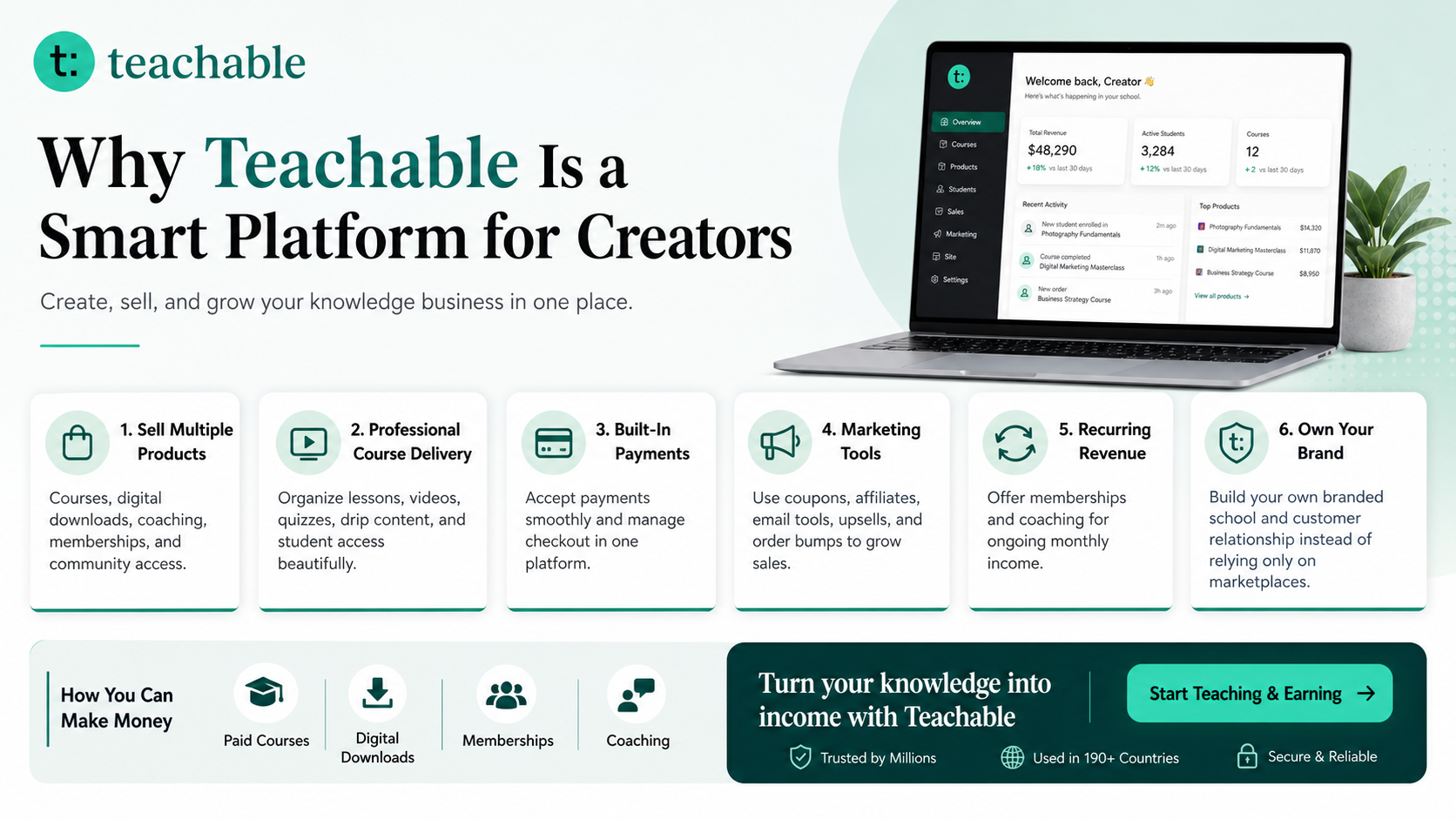
Teachable is an online platform that lets creators build, market, and sell courses, digital downloads, coaching, and memberships. It helps educators and entrepreneurs turn their knowledge into a branded digital business without needing complex coding. If you are paying off debt, do not borrow money to start a business; instead, consider low-risk ways to package skills you already have.
How to Make Money with Teachable: A Complete Creator’s Guide
Further Reading on SenseCentral
Continue learning with these related SenseCentral guides:
- How to Start Paying Debt Without a Perfect Budget
- How to Start Paying Debt After Years of Minimum Payments
- How to Save Money Every Month Without Stress
- How to Budget Money for Beginners Step by Step
- How to Make Money with Teachable: A Complete Creator’s Guide
Practical note: Debt payoff works best when paired with a realistic budget, a simple tracker, and spending rules that match your real life. Choose one article above and use it as your next action after finishing this guide.
FAQs
What is the first thing I should do if debt feels embarrassing?
Start privately. Write down one debt, one balance, and one minimum payment. You do not have to tell everyone or fix everything immediately. Debt becomes easier to manage when it moves from emotion into a simple list.
Should I use the debt snowball or debt avalanche method?
Use the snowball method if quick wins keep you motivated. Use the avalanche method if your main goal is reducing interest cost. Use a hybrid method if you need both motivation and interest savings.
Can small payments really help?
Yes, if they are consistent and directed toward the same target debt. Small payments are especially powerful when they come from repeatable savings such as one canceled subscription, fewer takeout meals, or a weekly spending limit.
Should I save money while paying off debt?
Many people benefit from keeping a small emergency buffer while paying debt. Without any buffer, one unexpected expense can push you back into borrowing. The right amount depends on your income, expenses, debt risk, and family needs.
What if I fall behind again?
Restart with facts. Check which bills are urgent, contact creditors when needed, protect essentials, and resume the smallest useful payment. A setback changes the plan, but it does not erase your progress.
How do I stay debt-free after payoff?
Keep the habits that helped you pay debt: track spending, plan expensive months, maintain emergency savings, avoid impulse installment plans, and redirect old debt payments toward savings or long-term goals.
References and Useful External Reading
The links below are included for general education. Always check the rules, rights, and financial products that apply in your country or region.
- FTC Consumer Advice: How To Get Out of Debt
- CFPB: Debt collection resources and consumer rights
- CFPB: Budgeting—how to create a budget and stick with it
- CFPB: Your Money, Your Goals toolkit
- NerdWallet: Debt avalanche method
- NerdWallet: Debt snowball method
Editorial disclaimer: This article is for general educational purposes and is not personal financial, legal, tax, or debt counseling advice. Consider speaking with a qualified financial counselor or adviser for decisions that affect your specific situation.
Post tags: #debt payoff #pay off debt #debt repayment #budgeting tips #money management #personal finance #save money #financial planning #financial freedom #debt free